Qatar, a developed desert nation in the Middle East with a strong emphasis on food security, exhibits distinct regional characteristics in its livestock feed needs (particularly for camels, dairy cows, sheep, poultry, and horses): a high reliance on imports and a focus on heat resistance, water conservation, and high efficiency. Below are eight of the most popular feed types in Qatar:
Top 1. Alfalfa Hay
Features:
High in protein and fiber, it is a top-tier forage for ruminants. Local production in Qatar is limited, with high-quality alfalfa mainly imported from the United States, Spain, Saudi Arabia, and other countries.
Reasons for Popularity:
A core feed for camel and dairy cow farming, significantly improving milk production and animal health, meeting the demands of high-end livestock farming.
Top 2. Barley and Barley Hay
Features:
An energy feed, highly drought-resistant, and suitable for the local climate. Barley grains are often used for fattening, while barley hay is a basic roughage.
Reasons for Popularity:
Traditional and economical, with stable supplies from Qatar and neighboring countries (such as Saudi Arabia and the UAE), making it a staple feed for small and medium-sized ranches.
Top 3. Complete Compound Feed
Features:
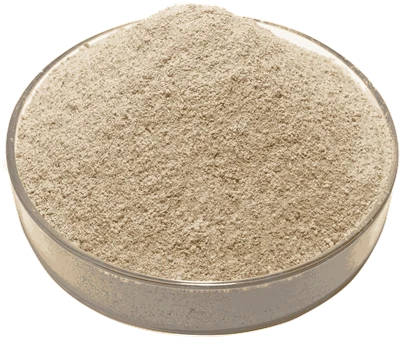
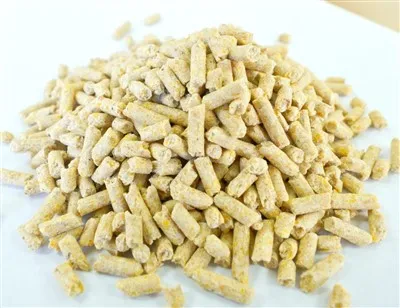
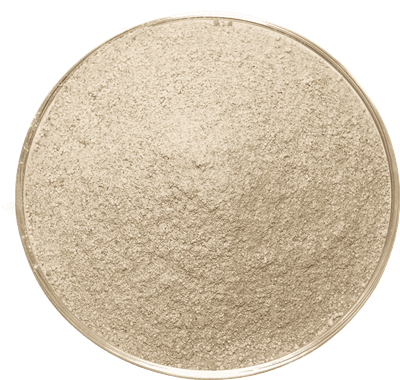
Scientifically formulated pelleted/powdered feed based on the nutritional needs of different species such as poultry, dairy cows, and meat sheep, containing energy, protein, vitamins, and minerals.
Reasons for Popularity:
Convenient to use and nutritionally balanced, especially suitable for intensive poultry and dairy farms. Qatari feed processing plants (such as Qatar Animal Feed Company) and imported brands dominate the market.
Top 4. Yellow Corn and Corn By-products
Features:
High-energy grain, a major component of compound feed. Corn gluten feed and other by-products are also imported.
Reasons for Popularity:
A globally accepted energy source with relatively stable prices, an indispensable ingredient for poultry and fattening livestock.
Top 5. Soybean Meal
Features:
High-protein plant protein source (protein content 44-48%), mainly imported from Argentina, Brazil, and the United States.
Reasons for Popularity:
The most important protein supplement in compound feed, used to balance the amino acid requirements of ruminants and monogastric animals.
Top 6. Palm Kernel Meal
Features:
Obtained from a byproduct of the palm oil industry, high in fiber and relatively inexpensive.
Reasons for Popularity:
As a cost-effective source of fiber and protein, it partially replaces soybean meal or grains in ruminant feed.
Top 7. Specialty Feed Additives and Premixes
Features:
Includes vitamins, minerals, amino acids, enzymes, and heat-resistant probiotics, used to improve feed efficiency, resist heat stress, and enhance animal health.
Reasons for Popularity:
Qatar experiences extreme high temperatures in summer (often exceeding 45°C), creating a huge demand for heat stress-resistant additives. Furthermore, high-end additives are widely used to ensure food safety and product quality.
Top 8. Localized Specialty Feeds
Features:
Feeds developed to adapt to arid regions, such as salt-tolerant forage plants (e.g., sea sedge), date palm byproducts (date palm pomace, date palm leaves), and aquatic feeds (Qatar is developing shrimp and marine fish farming).
Reasons for Popularity:
Aligns with national food security and resource self-sufficiency strategies, receives support from the government and research institutions, and is suitable for utilizing local resources.
CJ Group Feed Business Recommendations (for the Qatar Market)
CJ Group (Korea) has a global presence in the feed, livestock, and food sectors through CJ Feed & Care. The following product lines are suitable for Qatar's needs:
Ruminant Feed:
Recommended Product: CJ Ruminant Premix
For dairy cow feed


For sheep feed

This product complies with feed hygiene standards ISO9001 Quality CERTIFICATE,ISO22000 Food safety CERTIFICATE

This product complies with feed hygiene standards ISO9001 Quality CERTIFICATE,ISO22000 Food safety CERTIFICATE
Advantages: Improves feed utilization, enhances disease resistance, suitable for local formulation of imported basic feeds.
Poultry Feed:
Recommended Product: CJ Broiler/Laying Hen Premix


Advantages: Balanced ratio of vitamins, minerals, trace elements, and amino acids, tailored to the local hot and dry climate, reduces heat stress, increases disease resistance, and supplements essential nutrients.
In summary, the core of Qatar's feed market lies in solving the problem of efficient nutrition supply in extreme environments. High-quality roughage (alfalfa, barley grass), concentrates (compound feed, corn, soybean meal), and heat stress-resistant additives constitute the three pillars. In the future, driven by technology and policy, localized, sustainable, and high-tech feed solutions will become increasingly important.