Scientific Formulation and Efficient Farming: From Core Components of Pig Feed to Professional Feed Selection.
In modern intensive pig farming, feed costs account for approximately 60%-70% of total farming costs. Therefore, the scientific nature and efficiency of feed directly determine the economic benefits of the farm. Understanding the main components of pig feed and, based on this, selecting a feed product with strong R&D capabilities and quality assurance is key to successful farming.
Main Components of Pig Feed: The Cornerstone of Precision Nutrition
Pig feed is not simply a mixture of grains, but a carefully designed "complete nutrition program" based on the different growth stages, physiological states, and nutritional needs of pigs. Its main components can be divided into the following categories:
1.Energy Raw Materials
Energy is the primary nutritional requirement for maintaining the life activities, growth, development, and production (weight gain, reproduction) of pigs.
Corn: The most important and highest quality energy source in pig feed, it has a high starch content, good palatability, and high digestible energy value.
Wheat: Can be used as a substitute or supplement to corn, with a slightly higher protein content, but its stickiness should be considered in relation to pelleting.
Wheat Bran: Provides energy while being rich in dietary fiber, promoting intestinal peristalsis, and is often used in sow feed to prevent constipation.
2.Protein Raw Materials
Protein is the core substance that constitutes muscle, organs, enzymes, and hormones, and is crucial for the weight gain and body shape development of pigs.
Soybean meal: The absolute mainstay of plant-based protein, with a relatively balanced amino acid composition, making it an irreplaceable protein source in pig feed.
Fishmeal: A high-quality animal protein source, rich in and balanced in amino acids (especially lysine and methionine), and rich in calcium, phosphorus, and unknown growth factors. Commonly used in piglet and lactating sow feed.
Other protein sources: Such as rapeseed meal and cottonseed meal, which contain anti-nutritional factors and should be used in limited quantities.
3.Amino Acids
To compensate for the deficiency of amino acids in conventional feed ingredients and achieve an "ideal amino acid pattern," limiting amino acids need to be artificially added to the feed.
Lysine: The first limiting amino acid in pig feed, it has the greatest impact on protein deposition and growth rate.
Methionine: The second limiting amino acid, involved in various metabolic processes.
Threonine, tryptophan, etc.: Also indispensable in refined diets, playing an important role in maintaining intestinal health and immune function.
4.Minerals and Vitamins
These trace components, though present in small quantities, play a crucial role, acting as catalysts and protectors for maintaining bone development, metabolism, stress resistance, and reproductive performance in pigs.
Macrominerals: Calcium, phosphorus (pay attention to available phosphorus content and calcium-to-phosphorus ratio), sodium, chlorine, etc.
Trace Minerals: Iron, zinc, copper (high copper content promotes growth), selenium, iodine, etc.
Vitamins: Including fat-soluble vitamins (A, D, E, K) and water-soluble vitamins (B vitamins, C, etc.).
5.Feed Additives
The essence of modern feed industry, aiming to improve feed utilization, ensure animal health, and improve livestock product quality.
Enzyme Preparations: Such as phytase (decomposes phytate phosphorus, improving phosphorus utilization) and non-starch polysaccharide enzymes (eliminate anti-nutritional factors).
Probiotics and Prebiotics: Maintain intestinal flora balance, enhance immunity, and reduce diarrhea.
Acidifiers: Lower the pH value of the gastrointestinal tract, inhibit harmful bacteria, and promote digestion, especially effective in piglet feed.
Mold inhibitors and antioxidants: Ensure the quality and safety of feed during storage.
CJ Feed: Empowering Precision Nutrition Solutions with Technology
CJ CheilJedang, a leading global biotechnology and food company, combines cutting-edge R&D technology with a deep understanding of animal nutrition in its feed division (CJ Feed) to provide a range of professional and efficient feed products for pigs at different stages. Its core competitiveness is reflected in the following aspects:
1.A Formula System Based on "Precision Nutrition"
CJ Feed's formulas are not static but based on in-depth analysis of its raw material database, dynamic nutritional requirement models for pigs, and comprehensive judgment of local raw material market conditions. Through precise proportioning of these core ingredients, it ensures that each product can achieve optimal nutritional efficacy at a specific stage.
2.Phased and Refined Management
CJ Feed's product line covers the entire life cycle of pigs, demonstrating a high level of professionalism:
Creep Feed and Nursery Feed:
Addressing the characteristics of piglets' underdeveloped digestive systems and low immunity, this feed uses highly digestible ingredients (such as extruded corn, whey powder, and high-quality fishmeal) and adds compound enzymes, acidifiers, and probiotics to effectively prevent diarrhea and improve survival rates and weaning weight.

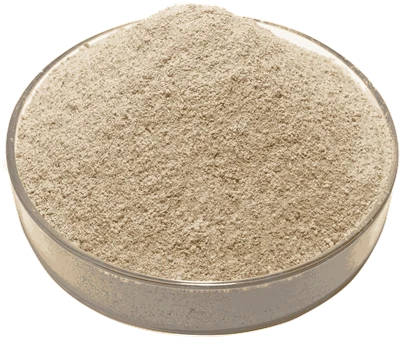
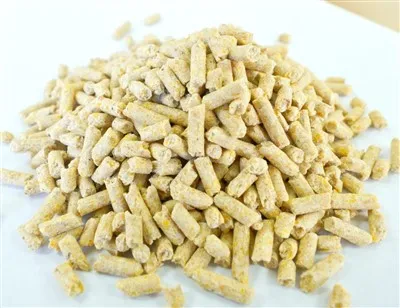
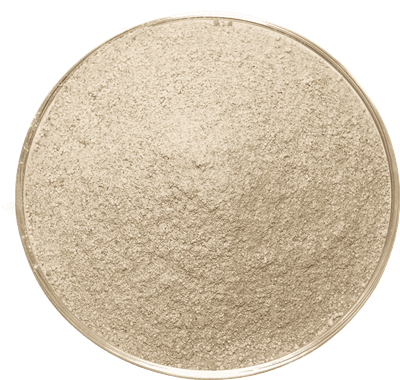
Name: Piglet creep feed

Name: piglet super milk replacer NO 1

Name: piglet starter feed super NO 2
Growing and Finishing Feed:
This stage is the period of fastest muscle deposition and weight gain. CJ Feed maximizes feed conversion ratio by optimizing the energy-to-protein ratio and precisely supplementing limiting amino acids such as lysine, promoting lean meat growth and shortening the time to market.


Sows Feed:
Divided into three stages: gilt, gestation, and lactation. By regulating energy and fiber levels to manage sow body condition, and adding sufficient amounts of vitamin E, organic selenium, and other functional ingredients, this feed improves sow ovulation, milk production, and piglet vitality.


3.Unique Additive Premix Technology
CJ leverages its strong technological background in bio-fermentation and chemical engineering to possess unique advantages in additive application. For example, its independently developed probiotic strains, highly efficient enzyme preparations, and organic acid complexes that improve gut health all stem from the fundamental principle of "gut health," reducing reliance on antibiotics and achieving antibiotic-free farming.
4.Strict Quality Control and Raw Material Traceability
From raw material procurement to finished product delivery, CJ has established a comprehensive quality and safety management system. It rigorously tests indicators such as true protein, moisture, and mycotoxins in bulk raw materials like corn and soybean meal to ensure the quality and safety of inputs, guaranteeing the stability of feed effects and animal health from the source.
Conclusion
Choosing pig feed is essentially choosing a scientific, reliable, and efficient nutritional management plan. A deep understanding of the core components of feed helps farmers establish scientific evaluation standards. Companies like CJ Feed, which deeply integrate basic nutrition science with cutting-edge biotechnology, provide tailored nutritional solutions for pigs through precise formula design, phased product strategies, and rigorous quality control. This not only significantly improves pig production performance (such as daily weight gain and feed conversion ratio) but also reduces medical costs and mortality by maintaining herd health, ultimately creating sustainable and substantial economic benefits for farmers. In the increasingly competitive livestock industry, partnering with such technology-driven feed companies is undoubtedly a crucial step towards successful farming.