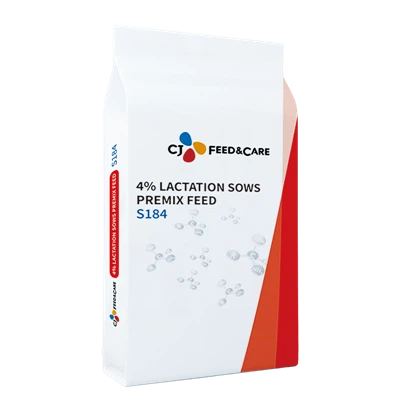
Hey there, fellow farmers and livestock enthusiasts! As a supplier of Complete Calf Feed, I've spent a lot of time diving deep into what makes a great feed for our little bovine friends. In this blog, I'm gonna break down the functions of different components in complete calf feed, so you can make the best choice for your calves' growth and health.
Energy Sources
First up, let's talk about energy sources. Calves need energy to grow, move around, and maintain their body temperature. The main energy sources in complete calf feed are carbohydrates and fats.
Carbohydrates, like grains (such as corn, barley, and oats), are a major energy provider. They're easily digested by calves and quickly converted into glucose, which is used by the body for energy. Corn, for example, is rich in starch, a complex carbohydrate that provides a steady release of energy. It's also relatively inexpensive, making it a popular choice in calf feed formulations. You can check out our Concentrate Feed For Dairy Cattle which contains high - quality grains to meet your calves' energy needs.
Fats, on the other hand, are a more concentrated source of energy. They provide more than twice the energy per gram compared to carbohydrates. Fats also help to improve the palatability of the feed, making it more appealing to calves. In addition, they play a role in the absorption of fat - soluble vitamins (A, D, E, and K). Some common fat sources in calf feed include vegetable oils and animal fats. Our Complete Calf Feed is formulated with the right balance of fats to ensure optimal energy intake for your calves.
Protein Sources
Protein is crucial for calf growth, as it's used to build and repair tissues, make enzymes and hormones, and support a healthy immune system. There are two main types of protein sources in calf feed: plant - based and animal - based.
Plant - based protein sources, such as soybean meal, are widely used in calf feed. Soybean meal is a high - quality protein source that contains all the essential amino acids that calves need. It's also relatively easy to source and has a good amino acid profile. Other plant - based sources like cottonseed meal and canola meal can also be included in the feed, but they may have slightly different amino acid compositions.
Animal - based protein sources, like fish meal and milk proteins, are also valuable. Fish meal is rich in essential amino acids and has a high biological value. Milk proteins, such as whey and casein, are highly digestible and are especially important for young calves. They can be included in starter feeds to support the calves' early growth. Our Complete Calf Feed is carefully formulated with a combination of plant - and animal - based protein sources to provide a well - balanced diet for your calves.
Vitamins and Minerals
Vitamins and minerals are essential for various physiological functions in calves. They're needed in small amounts but play a big role in maintaining good health.
Vitamins can be divided into two groups: fat - soluble (A, D, E, and K) and water - soluble (B - complex vitamins and vitamin C). Vitamin A is important for vision, growth, and immune function. Vitamin D helps with calcium absorption and bone development. Vitamin E is an antioxidant that protects cells from damage. Vitamin K is involved in blood clotting. The B - complex vitamins are important for energy metabolism, and vitamin C is an antioxidant that helps with immune function.
Minerals are also vital. Calcium and phosphorus are essential for bone development. Sodium and chloride are important for maintaining fluid balance and nerve function. Trace minerals, such as zinc, copper, manganese, and selenium, are required in smaller amounts but are still crucial for various physiological processes. Our Premix For Dairy Cows contains a comprehensive blend of vitamins and minerals to ensure that your calves get all the nutrients they need.
Feed Additives
Feed additives are substances added to the feed in small amounts to improve its quality and performance. There are several types of feed additives commonly used in complete calf feed.
Probiotics are beneficial bacteria that help to improve the gut health of calves. They can help to prevent diarrhea, improve feed digestion, and enhance the immune system. By maintaining a healthy gut flora, probiotics can help calves to better absorb nutrients from the feed.


Enzymes are another type of feed additive. They can help to break down complex nutrients in the feed, making them more easily digestible. For example, phytase is an enzyme that helps to release phosphorus from phytic acid, which is found in grains. This can improve the availability of phosphorus in the feed and reduce the need for additional phosphorus supplementation.
Antioxidants, such as tocopherols (vitamin E), are added to the feed to prevent the oxidation of fats and other nutrients. Oxidation can lead to the formation of free radicals, which can damage cells and reduce the quality of the feed. By adding antioxidants, we can extend the shelf - life of the feed and maintain its nutritional value.
Fiber Sources
Fiber is an important component of calf feed, although the amount and type of fiber needed may vary depending on the age of the calf. Fiber helps to promote rumen development in calves. As calves grow, their rumen starts to develop, and fiber stimulates the growth of rumen papillae, which are important for nutrient absorption.
Good fiber sources include hay, straw, and forages. Alfalfa hay is a popular choice as it's relatively high in protein and fiber. However, it should be fed in moderation to young calves as it can be high in calcium. Straw can also be used as a source of roughage, but it has a lower nutritional value compared to hay. Our Complete Calf Feed is formulated with an appropriate amount of fiber to support the healthy development of your calves' rumen.
Why Choose Our Complete Calf Feed?
At our company, we understand the importance of providing high - quality feed for your calves. Our Complete Calf Feed is formulated by experts who have in - depth knowledge of calf nutrition. We use only the best ingredients, sourced from reliable suppliers, to ensure that your calves get a balanced and nutritious diet.
We conduct regular quality control checks to make sure that our feed meets the highest standards. Whether it's the energy sources, protein sources, vitamins, minerals, or feed additives, we pay close attention to every detail to provide the best possible feed for your calves.
If you're interested in our Complete Calf Feed or have any questions about calf nutrition, we'd love to hear from you. Contact us to start a discussion about your calves' specific needs and how our feed can help them thrive. We're here to support you in raising healthy and productive calves.
References
- National Research Council. (2001). Nutrient Requirements of Dairy Cattle.
- Dairy Calf and Heifer Association. (2020). Best Management Practices for Dairy Calf Rearing.
- Feed Industry Association. (2019). Guidelines for Feed Formulation for Calves.