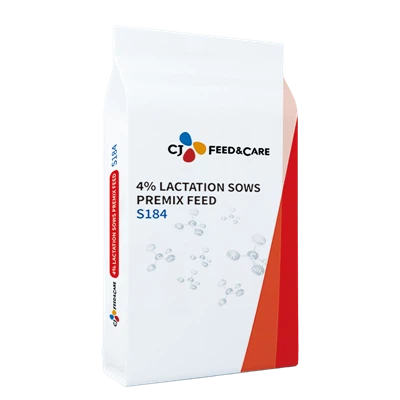
As a supplier of Gestation Feed For Pigs, I've been constantly exploring the best options for our customers. The question of whether there are natural alternatives to commercial gestation feed for pigs is one that comes up frequently. In this blog, I'll delve into this topic, sharing some insights based on scientific knowledge and practical experience.
The Importance of Gestation Feed for Pigs
Before we discuss natural alternatives, it's crucial to understand why proper gestation feed is so important for pigs. During gestation, sows have increased nutritional requirements to support the growth and development of their fetuses. A well - balanced gestation feed ensures that the sow remains healthy, reduces the risk of complications during pregnancy and farrowing, and contributes to the production of healthy piglets.
Commercial gestation feeds are formulated to meet these specific nutritional needs. They typically contain a blend of proteins, carbohydrates, fats, vitamins, and minerals in carefully calibrated proportions. However, some farmers may be interested in natural alternatives for various reasons, such as concerns about the use of synthetic additives, a preference for more sustainable farming practices, or the desire to produce more "natural" pork products.


Potential Natural Alternatives
1. Forages
Forages like alfalfa, clover, and grass can be a valuable natural alternative or supplement to commercial gestation feed. Alfalfa, for example, is rich in protein, calcium, and vitamins A, D, and E. It can help meet the sow's protein and mineral requirements during gestation. Clover is also high in protein and contains beneficial compounds like isoflavones, which may have positive effects on the sow's reproductive health.
Grass, whether fresh or in the form of hay, provides a good source of fiber. Fiber is important for maintaining gut health in sows, which can prevent constipation and other digestive issues during pregnancy. However, it's important to note that forages alone may not provide all the nutrients that a pregnant sow needs. They are often lower in energy and some essential minerals compared to commercial feeds.
2. Grains
Grains such as corn, wheat, and barley are commonly used in pig diets. They are a good source of energy in the form of carbohydrates. Corn, in particular, is a popular choice due to its high energy content. Wheat is also rich in energy and provides some protein. Barley has a relatively high fiber content, which can be beneficial for gut health.
When using grains as a natural alternative to commercial gestation feed, it's necessary to ensure proper processing. Grinding the grains can improve their digestibility for pigs. Additionally, grains may need to be supplemented with other nutrients, such as protein sources and minerals, to meet the sow's full nutritional requirements.
3. Legumes
Legumes like soybeans, peas, and beans are excellent sources of protein. Soybeans are one of the most widely used protein sources in pig diets. They are highly digestible and contain all the essential amino acids that pigs need. Peas and beans can also be good alternatives, although they may have slightly different amino acid profiles.
However, legumes often contain anti - nutritional factors, such as trypsin inhibitors in soybeans. These factors can reduce the digestibility of proteins and other nutrients. Therefore, proper processing, such as heating or fermentation, is required to inactivate these anti - nutritional factors before feeding legumes to pigs.
Advantages and Disadvantages of Natural Alternatives
Advantages
- Sustainability: Natural alternatives are often more sustainable. Forages can be grown on the farm, reducing the need for purchasing large amounts of commercial feed. This can lower the carbon footprint associated with pig production.
- Animal Welfare: Some natural feeds, such as forages, allow pigs to exhibit more natural feeding behaviors. For example, sows can graze on grass, which can improve their overall well - being.
- Consumer Perception: There is a growing demand among consumers for more "natural" and "organic" pork products. Using natural alternatives in pig diets can help meet this market demand.
Disadvantages
- Nutritional Inconsistency: Natural feeds can vary in their nutritional composition depending on factors such as the growing conditions, harvest time, and storage. This can make it challenging to ensure that sows receive a consistent and balanced diet.
- Processing Requirements: Many natural alternatives require additional processing to make them suitable for pigs. For example, grains need to be ground, and legumes need to be treated to remove anti - nutritional factors. This can add to the cost and complexity of the feeding program.
- Incomplete Nutrition: As mentioned earlier, natural alternatives may not provide all the nutrients that a pregnant sow needs. This means that additional supplementation may be required, which can offset some of the benefits of using natural feeds.
Integrating Natural Alternatives with Commercial Gestation Feed
Rather than completely replacing commercial gestation feed with natural alternatives, a more practical approach may be to integrate them. For example, forages can be used as a supplement to the commercial feed, providing additional fiber and some nutrients. Grains and legumes can also be incorporated into the diet in appropriate proportions.
This approach allows farmers to take advantage of the benefits of both natural and commercial feeds. The commercial feed can ensure that the sow receives a complete and balanced diet, while the natural alternatives can add to the sustainability and animal welfare aspects of the production system.
Other Related Swine Feeds
In addition to gestation feed, there are other important types of swine feeds. Gilts Feed is specifically formulated for young female pigs that have not yet given birth. It helps them reach optimal body condition before breeding. Boar Premix Feed is designed for boars to maintain their reproductive performance and overall health. And Finisher Feeds for Pigs are used to promote rapid growth and efficient feed conversion in finishing pigs.
Conclusion
In conclusion, there are indeed natural alternatives to commercial gestation feed for pigs, such as forages, grains, and legumes. These alternatives have their own advantages and disadvantages, and a combination of natural and commercial feeds may be the best approach for most pig farmers.
As a supplier of Gestation Feed For Pigs, I'm committed to providing high - quality products and sharing the latest knowledge about pig nutrition. If you're interested in learning more about our products or discussing the best feeding strategies for your pigs, I encourage you to contact us for further procurement discussions.
References
- National Research Council. (2012). Nutrient Requirements of Swine. 11th Revised Edition.
- Pluske, J. R., et al. (2018). Swine Nutrition. Academic Press.
- Spreeuwenberg, P., & Verstegen, M. W. A. (2007). Sustainable Pig Production. Wageningen Academic Publishers.