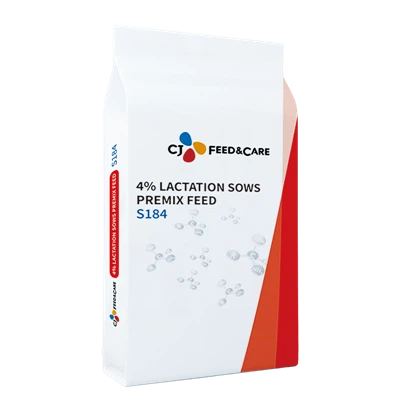
Manganese is an essential trace element that plays a crucial role in various physiological processes in pigs. As a supplier of gestation feed for pigs, understanding the appropriate manganese content in our products is of utmost importance to ensure the health and productivity of pregnant sows and their offspring. In this blog post, we will delve into the significance of manganese in gestation feed, the optimal manganese levels, and how our feed formulations meet these requirements.
The Importance of Manganese in Pig Gestation
Manganese is involved in several key functions during pig gestation. It is a cofactor for many enzymes, including those involved in carbohydrate, lipid, and protein metabolism. This means that manganese is essential for energy production, which is vital for the sow to support the growth and development of the fetuses. Additionally, manganese is necessary for the synthesis of connective tissues, such as cartilage and bone, which are important for the structural integrity of the sow and the proper development of the piglets' skeletal system.
Another critical role of manganese is in the antioxidant defense system. It helps to protect cells from oxidative damage caused by free radicals, which can be particularly harmful during pregnancy when the sow's body is under increased stress. By maintaining a healthy antioxidant status, manganese contributes to the overall health and well - being of the sow and reduces the risk of pregnancy - related complications.
Manganese also plays a role in reproductive performance. Adequate manganese levels are associated with improved fertility, increased litter size, and better piglet survival rates. It is involved in the regulation of hormone synthesis and secretion, which are essential for normal estrus cycles, ovulation, and embryo implantation.
Optimal Manganese Content in Gestation Feed
Determining the optimal manganese content in gestation feed for pigs is a complex task that depends on several factors, including the breed of the sow, her age, body condition, and the overall diet composition. However, based on scientific research and industry standards, the National Research Council (NRC) recommends a manganese level of 20 - 40 mg/kg in gestation diets for pigs.
This range is designed to meet the nutritional requirements of sows during pregnancy and support the normal growth and development of the fetuses. However, it's important to note that these are general guidelines, and in some cases, higher or lower levels may be appropriate depending on specific circumstances. For example, sows that are exposed to environmental stressors or have a history of reproductive problems may benefit from slightly higher manganese levels in their diet.
On the other hand, excessive manganese intake can also have negative effects. High levels of manganese can interfere with the absorption of other minerals, such as iron, copper, and zinc, leading to mineral imbalances and potential health problems. Therefore, it is crucial to carefully formulate gestation feed to ensure that the manganese content is within the optimal range.
Our Approach as a Gestation Feed Supplier
As a supplier of gestation feed for pigs, we are committed to providing high - quality products that meet the nutritional needs of pregnant sows. Our team of nutritionists and veterinarians carefully formulates our feed to ensure that it contains the appropriate amount of manganese, along with other essential nutrients.
We source our raw materials from reliable suppliers and conduct regular quality control tests to ensure the accuracy of the manganese content in our feed. Our feed formulations are based on the latest scientific research and industry best practices, and we continuously monitor and adjust our products to meet the changing needs of our customers.
In addition to meeting the basic manganese requirements, our gestation feed also includes other beneficial ingredients to support the overall health and reproductive performance of sows. For example, we may include link text: Gilts Feed which is specifically formulated for young female pigs, providing them with the nutrients they need to develop into healthy and productive sows. Our feed may also incorporate link text: Alternative Milk for Piglets which can be used to supplement the nutrition of piglets if needed, ensuring their healthy growth and development. And for boars, we offer link text: Boar Premix Feed to maintain their reproductive health and performance.
How to Ensure Proper Manganese Intake
While our gestation feed is formulated to provide the appropriate amount of manganese, there are also other steps that pig farmers can take to ensure that sows are getting the right nutrition. First, it is important to provide clean and fresh water at all times, as water is essential for the proper absorption and utilization of nutrients, including manganese.
Farmers should also monitor the body condition of sows regularly and adjust the feed intake accordingly. Overfeeding or underfeeding can both have negative impacts on the sow's health and reproductive performance. Additionally, providing a stress - free environment for sows can help to optimize their nutrient utilization and overall well - being.
Contact Us for Purchase and Consultation
If you are a pig farmer looking for high - quality gestation feed for your sows, we would be delighted to assist you. Our team of experts can provide you with detailed information about our products, including the manganese content and other nutritional benefits. We can also offer customized feed solutions based on your specific requirements and the needs of your pig herd.


Whether you are interested in purchasing our gestation feed or have any questions about pig nutrition, please do not hesitate to contact us. We are committed to helping you achieve the best possible results in your pig farming operation.
References
- National Research Council (NRC). Nutrient Requirements of Swine. 11th Edition. National Academies Press, 2012.
- Spears, J. W. "Manganese in swine nutrition." Journal of Animal Science 72.8 (1994): 2126 - 2134.
- Lindemann, M. D., et al. "Effect of dietary manganese source and level on reproductive performance of sows." Journal of Animal Science 76.7 (1998): 1827 - 1833.