As a supplier of hog grower feed, I've often been asked whether there are differences in hog grower feed for different climates. The answer is a resounding yes. Climate plays a crucial role in the nutritional requirements of hogs, and tailoring the feed to suit the specific climate can significantly impact the health, growth, and productivity of the animals.
Impact of Hot Climates on Hog Nutrition
In hot climates, hogs face several challenges that affect their nutritional needs. High temperatures can lead to reduced feed intake as hogs try to minimize heat production from digestion. This reduction in feed intake can result in insufficient nutrient intake, which can slow down growth rates and affect overall health.
To counteract the reduced feed intake, hog grower feed in hot climates should be more nutrient - dense. This means that the feed should contain higher levels of essential nutrients such as protein, vitamins, and minerals per unit of volume. For example, increasing the protein content can help maintain muscle growth even when the hogs are eating less. Additionally, the feed should be formulated to be highly digestible, reducing the energy expenditure associated with digestion and thus generating less internal heat.
Another important consideration in hot climates is hydration. Hogs lose a significant amount of water through sweating and panting to cool themselves. Therefore, the feed can be supplemented with electrolytes to help maintain the proper balance of fluids in the body. Some hog grower feeds also include ingredients that have a cooling effect, such as certain herbs or plant extracts, which can help hogs better tolerate the heat.
Impact of Cold Climates on Hog Nutrition
In cold climates, the primary challenge for hogs is maintaining body temperature. Hogs need to expend more energy to stay warm, which means they require a higher energy - dense feed. Carbohydrates and fats are the main energy sources in hog feed, and in cold climates, the proportion of these energy - rich ingredients should be increased.
Fats, in particular, are an excellent source of concentrated energy. They have a higher caloric value per gram compared to carbohydrates and proteins. By increasing the fat content in the hog grower feed, hogs can obtain more energy from a relatively small amount of feed, which is beneficial when foraging or feed access might be limited in cold weather.
Cold weather can also affect the hog's immune system, making them more susceptible to diseases. Therefore, the feed should be fortified with immune - boosting nutrients such as vitamins C and E, selenium, and zinc. These nutrients help strengthen the hog's immune response, reducing the risk of illness during the cold months.
Regional Variations and Adaptation
Different regions with distinct climates may also have access to different local feed ingredients. For example, in tropical regions, there may be an abundance of tropical fruits and plants that can be incorporated into the hog grower feed. These local ingredients can not only be cost - effective but also provide unique nutritional profiles. In colder regions, grains such as barley and oats, which are well - adapted to the climate, are commonly used in hog feed.
As a hog grower feed supplier, I understand the importance of adapting the feed to regional climate conditions. We work closely with local farmers and agricultural experts to develop feeds that are not only tailored to the climate but also make use of the available local resources. This approach not only ensures the best possible nutrition for the hogs but also helps farmers reduce costs and support local agriculture.
Product Offerings Tailored to Climate
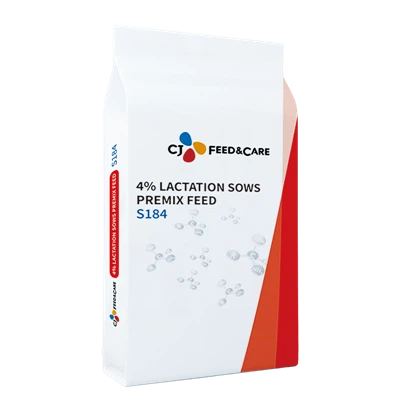
At our company, we offer a range of hog grower feeds designed to meet the specific needs of hogs in different climates. For hot climates, our feeds are formulated to be nutrient - dense and highly digestible. They contain a balanced blend of proteins, vitamins, and minerals, along with electrolytes to support hydration. Our Lactating Sow Premix Feed is also available for sows in hot climates, ensuring that they can maintain their health and milk production even in high - temperature conditions.
For cold climates, our feeds are energy - rich, with an increased proportion of fats and carbohydrates. They are also fortified with immune - boosting nutrients to help hogs stay healthy during the cold season. Our Finisher Feeds for Pigs are specifically designed to support the growth and development of finishing hogs in cold weather, providing them with the energy they need to reach optimal market weight.
In addition, we also offer Alternative Milk for Piglets, which can be adjusted according to the climate. In hot climates, the alternative milk can be formulated to be more hydrating, while in cold climates, it can be made more energy - dense to help piglets thrive.
The Importance of Climate - Appropriate Feed
Using climate - appropriate hog grower feed is not just about meeting the nutritional needs of the hogs. It also has economic implications for farmers. By providing hogs with the right feed, farmers can improve the growth rate, feed conversion ratio, and overall health of their animals. This leads to higher productivity and better - quality pork products, which can fetch a higher price in the market.


Moreover, proper nutrition can reduce the incidence of diseases in hogs. This means less money spent on veterinary care and medications, further increasing the profitability of the hog farming operation. In the long run, using climate - specific feed is a sustainable approach that benefits both the animals and the farmers.
Contact for Purchase and Consultation
If you are a hog farmer looking for high - quality, climate - appropriate hog grower feed, we are here to help. Our team of experts can provide you with detailed information about our products and offer personalized advice based on your specific climate conditions and farming requirements. We are committed to providing the best feed solutions to ensure the health and productivity of your hogs. Whether you are in a hot, tropical region or a cold, temperate area, we have the feed that your hogs need. Contact us today to start a discussion about your hog feed needs and explore how our products can benefit your farming operation.
References
- National Research Council. (2012). Nutrient Requirements of Swine. The National Academies Press.
- European Federation of Animal Science. (2018). Feeding and Nutrition of Pigs. Wageningen Academic Publishers.
- Spurlock, M. E., & Gabler, N. K. (2008). Nutrition and immune function in pigs. Journal of Animal Science, 86(14 Suppl), E104 - E111.