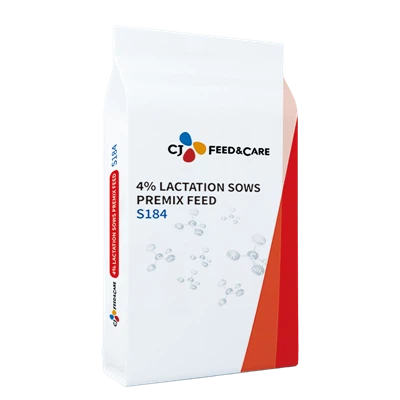
Hey there, fellow swine enthusiasts! As a supplier of top - notch swine feed, I've spent years diving deep into what makes swine feed digestion tick. You see, understanding the factors that affect the digestibility of swine feed isn't just some fancy science thing; it's crucial for keeping our pigs healthy, happy, and growing like crazy. So, let's roll up our sleeves and explore these factors together.
1. Feed Composition
The first and most obvious factor is what's actually in the feed. Just like we humans have different reactions to various foods, pigs do too.
Carbohydrates
Carbs are a major energy source in swine feed. Grains like corn, wheat, and barley are commonly used. But here's the thing: not all carbs are created equal. Simple carbohydrates, such as those in corn, are relatively easy for pigs to digest. They break down quickly and provide a rapid energy boost. On the other hand, complex carbohydrates, like those in some fiber - rich grains, can be a bit more of a challenge.
Fiber, in particular, can have a big impact on digestibility. While a certain amount of fiber is good for gut health, too much can reduce the digestibility of other nutrients. High - fiber feeds can pass through the pig's digestive system too quickly, not allowing enough time for proper nutrient absorption. That's why we at our feed supply business are always careful to balance the amount of fiber in our products. For example, our Piglet Starter Feed Super 2 has an optimized carb and fiber ratio to ensure easy digestion for young pigs.
Proteins
Protein is essential for growth and development in pigs. The quality of the protein source matters a great deal. Animal - based proteins, like fish meal and meat and bone meal, are highly digestible. They contain all the essential amino acids in the right proportions that pigs need. Plant - based proteins, such as soybean meal, are also widely used, but they can vary in digestibility depending on factors like processing.
If the protein source is not properly processed, it may contain anti - nutritional factors. These factors can interfere with the pig's ability to digest and utilize the protein. For instance, raw soybeans contain trypsin inhibitors, which can prevent the proper breakdown of proteins in the gut. That's why we make sure all our protein sources are well - processed to maximize digestibility.
Fats
Fats are a concentrated source of energy in swine feed. They also help with the absorption of fat - soluble vitamins. The type of fat used can affect digestibility. Saturated fats, like those from animal sources, are generally less digestible than unsaturated fats, such as those from vegetable oils. However, a blend of different fats can often provide the best results. Our feed formulations take this into account, using a mix of fats to ensure good energy utilization and digestibility.
2. Feed Processing
How the feed is processed can have a huge impact on its digestibility.
Grinding
Grinding the feed ingredients is an important step. If the particles are too large, they may not be fully digested. On the other hand, if they are too fine, it can lead to problems like gastric ulcers in pigs. We use state - of - the - art grinding equipment to ensure that the particle size is just right. This allows for better mixing of the ingredients and improved digestibility.
Pelleting
Pelleting is another common processing method. It involves compressing the ground feed into pellets. Pelleted feed has several advantages. It reduces feed wastage, as pigs are less likely to pick and choose their favorite ingredients. It also improves digestibility because the heat and pressure during pelleting can break down some of the anti - nutritional factors and make the nutrients more accessible. Our Alternative Milk for Piglets is carefully processed to ensure that it's in an easily digestible form, whether it's in powder or pelleted form.
Extrusion
Extrusion is a more advanced processing technique. It uses high - temperature and high - pressure conditions to cook the feed. This can further improve the digestibility of starch and protein. It also destroys many of the harmful microorganisms in the feed. However, it's a more expensive process, so we use it selectively for certain products where the benefits outweigh the cost.
3. Pig - Related Factors
It's not just about the feed; the pigs themselves play a big role in how well they can digest the feed.
Age
Piglets have immature digestive systems. They have lower levels of digestive enzymes and a less developed gut microbiota compared to adult pigs. That's why they need special feeds that are easy to digest. Our Piglet Starter Feed Super 2 is formulated with this in mind, providing highly digestible nutrients to support the growth of young pigs.
As pigs grow older, their digestive capacity increases, and they can handle more complex feeds. For example, pregnant sows have different nutritional requirements. Our Gestation Feed for Pigs is designed to meet the specific needs of these sows, taking into account their changing digestive capabilities.


Health Status
A pig's health can greatly affect its ability to digest feed. Sick pigs may have reduced appetite and impaired digestive function. Diseases like diarrhea can disrupt the normal functioning of the gut, leading to poor nutrient absorption. That's why we always recommend proper vaccination and good management practices to keep the pigs healthy. If a pig is sick, it may need a special diet or supplements to support its recovery and improve digestibility.
Genetic Factors
Different pig breeds have different genetic make - ups, which can influence their digestive efficiency. Some breeds are more efficient at converting feed into body weight than others. For example, some lean - type breeds may have a higher requirement for protein and energy, and they may also have a more efficient digestive system. When formulating our feeds, we take into account the genetic characteristics of different pig breeds to ensure optimal digestibility.
4. Environmental Factors
The environment in which the pigs are raised can also impact feed digestibility.
Temperature
Extreme temperatures can affect a pig's appetite and digestive function. In hot weather, pigs may eat less, and their metabolic rate may change. High temperatures can also increase the risk of heat stress, which can lead to reduced feed intake and poor digestibility. On the other hand, in cold weather, pigs need more energy to maintain their body temperature. This can affect how they utilize the nutrients in the feed. We recommend adjusting the feed composition according to the season to ensure that the pigs get the right amount of energy and nutrients.
Housing Conditions
The quality of the housing can also play a role. Pigs that are kept in overcrowded or dirty conditions are more likely to be stressed and sick. Stress can have a negative impact on the digestive system, reducing the efficiency of nutrient absorption. Providing a clean, comfortable, and well - ventilated housing environment is essential for good feed digestibility.
Conclusion
As you can see, there are many factors that affect the digestibility of swine feed. From the composition and processing of the feed to the age, health, and genetic factors of the pigs, and even the environmental conditions, everything plays a part. At our swine feed supply business, we're constantly working to optimize our feed formulations and processing methods to ensure the best possible digestibility for your pigs.
If you're looking for high - quality swine feed that takes all these factors into account, we'd love to talk to you. Whether you're raising piglets, pregnant sows, or finishing pigs, we have the right feed products for you. Contact us today to start a discussion about your swine feeding needs and how we can help you achieve better results.
References
- National Research Council. (2012). Nutrient Requirements of Swine. The National Academies Press.
- Pluske, J. R., et al. (2018). Swine Nutrition. Academic Press.
- Verstegen, M. W. A., & Williams, B. A. (2002). Swine Feed Formulation. CABI Publishing.