In modern chicken farming, chicken feed is mainly classified into the following three basic feed types based on its physical form:
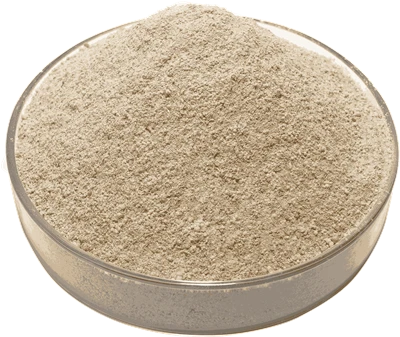
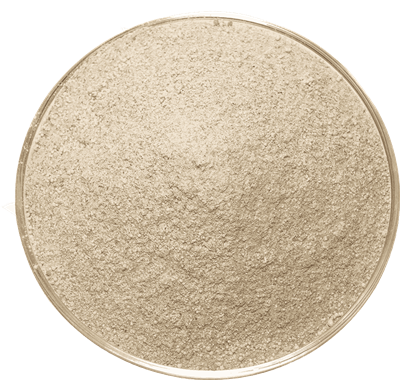
Powdered Feed
Definition:
Powdered feed made by crushing raw materials and mixing them evenly according to a formula ratio.
Advantages:
Less picky eating: The various nutrients are evenly mixed, ensuring a balanced nutritional intake for chickens as they cannot only pick and choose what they like.
Suitable for certain physiological stages: Particularly suitable for chicks because their beaks are softer, making it easier for them to eat powdered feed.
Low processing cost: Simple production process with low energy consumption.
Disadvantages:
More waste
Chickens tend to use their beaks to push feed out of the trough, resulting in waste.
Palatability
Compared to pelleted feed, palatability may be slightly lower.
Main applications: Starter feed for chicks, rearing and laying hens (especially breeder hens).
Recommend CJ concentrate feed for broiler :
Broiler Chicken Feed
Rich in amino acids, vitamins, and minerals, it provides a comprehensive nutritional profile when combined with energy feed (such as corn).

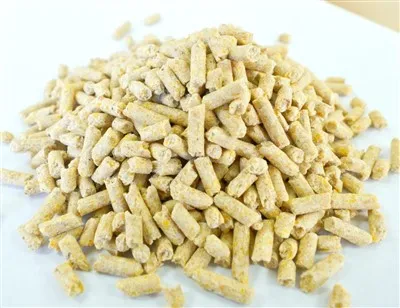
Pelleted Feed
Definition:
Pelleted feed is produced by heating and pressurizing mixed powder with steam, then extruding it through a die, and finally cooling and crushing it into cylindrical shapes.
Advantages:
Good palatability
The starch gelatinizes during the pelleting process, producing a pleasant aroma that stimulates appetite.
01
Complete nutrition, preventing picky eating
All components are firmly bound together, ensuring each chicken receives a complete diet.
02
Less waste
Pelleted feed is less likely to be pecked out of the trough, reducing feed waste.
03
Easy storage and transportation
High bulk density, less prone to moisture absorption and grading.
04
Sterilization and disinfection
The high temperature during pelleting can kill some pathogenic microorganisms such as Salmonella.
05
Disadvantages:
Higher cost: Requires specialized pelleting equipment, resulting in high energy consumption and increased production costs.
Potential destruction of some heat-sensitive nutrients: High temperatures can destroy some vitamins and enzymes, requiring additional addition to the formula.
Susceptible to pecking (if the pellets are too hard or too large). This requires manufacturers to understand the characteristics of chickens and their feed.
Main applications: broiler chickens throughout their life cycle, rearing hens, breeding ducks, geese, etc.
RECOMMEND CJ laying hen pellets:

Layer Pellets
Scientifically formulated based on the nutritional needs of laying hens during their egg-laying period (high calcium, high energy, high protein, and rich in vitamins and trace elements).
Crushed Feed
Definition:
Prepared pellets are crushed using a crusher and then screened to obtain appropriately sized pellets.
Advantages:
Combines the advantages of both powder and pellet feed: It retains the palatability, nutritional completeness, and low waste of pellet feed while solving the problem of overly large pellets being inaccessible to chicks.
Suitable for chicks: The moderate size makes it easy for chicks to peck at, and it reduces waste compared to powder feed.
Disadvantages:
Highest processing cost: The additional crushing process compared to powder and pellet feed further increases costs.
CJ Feed and Care prioritizes customer interests, creating high-quality formulas and providing reasonable pricing to maximize customer benefits.
Main Applications: Primarily used in the early stages of chick (broiler chicks and layer chicks) as a transition from powder to pellet feed.
Recommend CJ chick crush feed :
Chick Starter Feed
Comprehensive nutrition, transparent raw materials, enhanced functionality, especially suitable for the growth and development needs of laying hens aged 0-2 weeks

Summary
|
Feed type |
Advantages |
Disadvantages |
Main Applicable Species |
|
Powder Feed |
Uniform nutrition, low cost, less picky eater |
High waste, palatability, easy to grade |
Laying hens, breeder hens, chicks starting to eat |
|
Pellete Feed |
Good palatability, less waste, complete nutrition, easy to transport |
High cost, destroys some heat-sensitive nutrients |
Broilers, growers, chicken ,waterfowl |
|
Crush Feed |
Good palatability, less waste, suitable for chicks |
Highest cost, contains powder |
Chicks (early stage) |
In actual farming, the choice of feed type needs to be determined comprehensively based on the breed of chicken (broiler/laying hen), growth stage, farming method, and economic cost. For example, commercial broilers are usually fed pelleted feed throughout their growth cycle to maximize their growth rate; while laying hens are mostly fed powdered feed during the rearing and laying periods to prevent excessive fattening and ensure uniformity.