Pelleted Feed/Concentrate Supplements
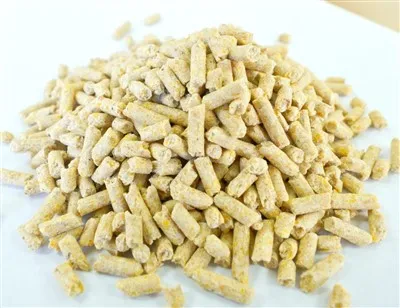
This is the core supplementary feed, used to provide livestock with high concentrations of energy, protein, and minerals when pasture quality or quantity is insufficient.
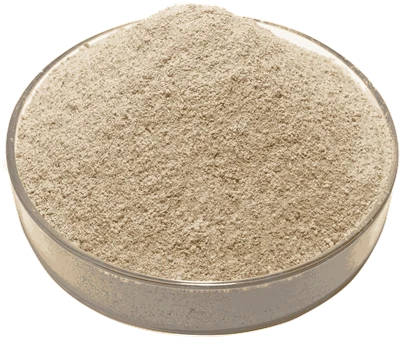
CJ Recommended Product:


Reasons for Recommendation:
Precision Nutrition: This series has specialized formulas for different livestock (e.g., beef cattle, dairy cattle, sheep) and different production stages (e.g., pregnancy, lactation, growth), precisely meeting nutritional deficiencies.
Improved Production Performance: High levels of digestible energy and protein effectively increase milk production, promote weight gain, and improve body condition.
Easy to Use: The pellet form facilitates feeding, storage, and transportation, reducing waste.
Licks/Nutritional Blocks
A supplementary food source for free-range livestock, primarily providing minerals, vitamins, and non-protein nitrogen. It is the most common supplement on New Zealand farms.
Easy to Manage: Livestock graze freely in the fields, licking the food as needed, significantly reducing labor costs.
Milk Replacer
Primarily used for early weaning of lambs and calves or when the mother's milk supply is insufficient, ensuring young animals receive the necessary nutrients for healthy growth.
Promotes Growth and Development
Fortified with essential vitamins, minerals, and probiotics, supporting the development of the young animal's immune system and bone growth, and reducing the risk of diarrhea.
Cost-Effective
Key to ensuring the survival and growth of young animals when the mother is unable to nurse or needs to be weaned early to allow the mother to recover.
Hay/Hay Bales
As the largest volume of roughage, it is a major source of alternative to fresh hay during winter or dry seasons.
Maintains Rumen Function: Provides essential roughage to maintain the health and normal function of the rumen in ruminants.
Basic energy source: High-quality hay (such as white clover and ryegrass) provides good energy and protein.
Local production: Hay production is available throughout New Zealand, making it a relatively low-cost winter feed.
Silage: High-moisture forage
preserved through anaerobic fermentation retains its nutritional value to the maximum extent, making it an important winter feed reserve.
Stable Supply: Produced during the peak summer forage growth, it provides a stable supply of high-quality green forage for winter.
Molasses Nutritional Supplement
A high-energy liquid supplement that can be fed alone or mixed with hay, silage, etc., to improve the palatability and energy level of the overall diet.
Specialized Premixes and Additives
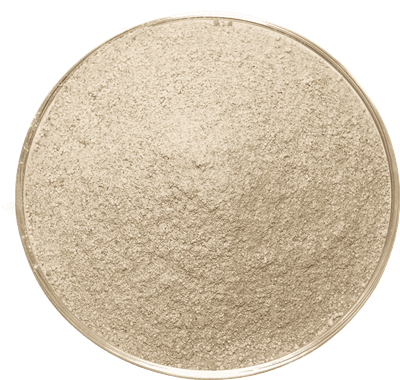
High-concentration nutrient packs designed for specific needs, mixed into the diet to ensure nutritional balance.
CJ Recommended Products:


Reasons for Recommendation:
Precise Supplementation: Targets the specific micronutrient (vitamin, trace element) needs of specific livestock breeds and stages, compensating for deficiencies in the basal feed.
Disease Prevention: Precise mineral formulation can effectively prevent nutritional metabolic diseases such as lambing disease (hypocalcemia) and white muscle disease (selenium deficiency).
Improved Efficiency: Ultimately improves the economic benefits of the farm by optimizing animal health and production performance.
In summary
Feed selection in New Zealand's grazing system is a combination strategy. A typical winter feeding program might include:
Basic: Silage or hay provides roughage.
Core Supplement: CJ Feed and Care pellets are used to fill energy and protein gaps. CJ premixes supplement vitamins, minerals, and amino acids.
Free-feeding Supplement: Licks are placed in the pasture to ensure a continuous supply of minerals and vitamins.
Special Cases: CJ milk replacer is used for lambs and calves.
The core reasons for choosing CJ Feed and Care are: its product line is scientifically developed to meet the needs of New Zealand pasture conditions and animals, ensuring reliable quality and the trust of local farmers. By scientifically combining CJ products, farmers can effectively cope with New Zealand's variable weather, ensure livestock health, and maximize rancher profits.