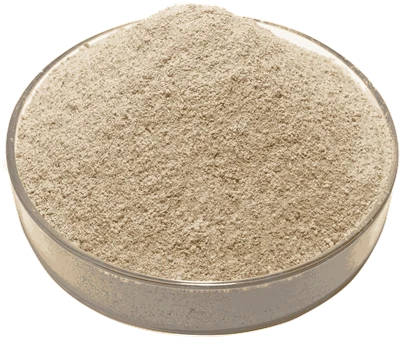
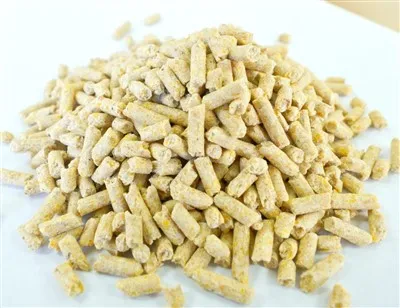
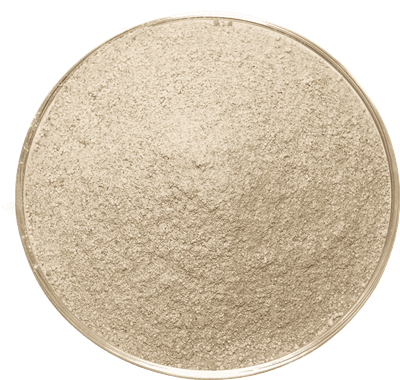
This is an excellent question. The simple and direct answer is: yes, specially formulated egg-laying hen feed is a key factor in increasing egg production.
However, it's not as simple as "feeding this feed makes chickens lay eggs"; the underlying science is more important. Let me explain in detail:
Why does layer hen feed increase egg production?
Laying hen feed is a precisely calculated "complete nutritional meal" that provides the following key components tailored to the specific physiological needs of laying hens:
| Function | Reflection in Layer Hen Feed | |
| High levels of calcium | The main component of eggshells is calcium carbonate. An eggshell requires approximately 2-2.5 grams of calcium. If the feed is insufficient in calcium, the hen will draw calcium from its own bones to produce eggs, leading to fragile bones, soft-shelled or thin-shelled eggs, or even ceasing egg production. | Layer hen feed typically contains 3.5%-4% or even higher calcium, far exceeding the levels found in broiler or pullet feed. It often includes added limestone (calcium carbonate) and shell powder. |
| Balanced Amino Acids (especially methionine and lysine) | Protein is the core building block of egg white and yolk. Amino acids are the "building blocks" of protein. Methionine and lysine are "limiting amino acids," meaning that if they are insufficient, other amino acids cannot be effectively utilized to synthesize protein, thus affecting egg production and egg weight. | Layer hen feed uses high-quality protein ingredients such as soybean meal and fishmeal, and additionally adds synthetic methionine and lysine to ensure amino acid balance. |
| Abundant Energy | Egg production is a high-energy-consuming process. Hens need sufficient energy (mainly from carbohydrates and fats in grains such as corn and wheat) to maintain body temperature, daily activities, and support follicle development. | Energy levels are precisely controlled to avoid being too high (leading to obesity and affecting egg production) or too low (leading to a decrease in egg production rate). |
| Essential Vitamins and Minerals |
|
Premixes are added to the feed. These are "core feeds" containing all essential vitamins and trace minerals, ensuring that chickens do not experience health and production problems due to a deficiency in any trace element. |
If you need a professional premix manufacture , welcome to read more about CJ PREMIX
Relation products of CJ feed and care :


An important comparison: What happens if you don't feed laying hens commercial egg feed?
If you feed laying hens leftovers, regular grains (such as only corn), or non-laying-period feed, the following may occur:
Significantly reduced egg production
Nutritional imbalance, unable to support high-frequency egg production.
Poor egg quality
Soft-shelled eggs, rough-shelled eggs, very small eggs.
Damaged chicken health
Susceptible to disease, poor feather quality, pica (eating non-food items) such as vent pecking, shortened lifespan.
Conclusion
Therefore, laying hen commercial egg feed is not an "egg-producing hormone," but a scientific nutritional guarantee. It doesn't create eggs that hens shouldn't lay, but rather ensures that the chicken's genetic egg-laying potential is maximized while protecting its health by providing comprehensive, balanced, and precise nutrition.
You can think of a laying hen as a high-intensity athlete: You can't just feed her until she's full; you must provide her with a special sports diet containing sufficient protein, carbohydrates, vitamins, and minerals so she can achieve her best performance on the field. Laying hen feed is like the professional "exercise food" for this "egg-producing athlete."
Therefore, if you want your hens to lay more eggs, feeding them professional, complete laying hen feed is the most effective and scientific method.