Concentrate feed are the core component of compound feed, and their production process integrates precise nutritional formulation, raw material quality control, modern mechanical processing, and a rigorous quality assurance system. The following is a detailed explanation of the standardized process for concentrate production:
Phase 1: Production Preparation and Design
Formula Design:

An animal nutritionist designs an optimized scientific formula based on the target animal breed, growth stage (e.g., piglets, fattening pigs, laying hens), production purpose, and the market price and nutritional value of raw materials.
The formula must meet national or industry standards and calculate the precise proportions of various protein raw materials (soybean meal, cottonseed meal, rapeseed meal, fishmeal, etc.), macrominerals (calcium, phosphorus, salts, etc.), microminerals (iron, zinc, copper, manganese, selenium, iodine, etc.), vitamins and amino acids (lysine, methionine, threonine, etc.), and functional additives (enzymes, probiotics, antifungals, etc.).
Raw Material Procurement and Acceptance:
The procurement department purchases qualified raw materials according to the formula requirements.
Raw materials must undergo rigorous inspection before warehousing, including sensory inspection (color, odor, impurities), moisture testing, and key laboratory analyses (e.g., protein content, mycotoxins, etc.) to ensure that the raw material quality meets standards.
Phase 2: Core Production Process
Raw Material Cleaning:
Raw materials (especially grain by-products and meals) first undergo screening and magnetic separation to remove large and small impurities, metallic foreign objects, etc., protecting subsequent equipment and ensuring product purity.
Crush:
This is one of the key processes. Most raw materials (such as oilseed cake and corn) need to be ground to achieve the particle size required by the formula. Appropriate particle size facilitates uniform mixing and improves animal digestibility. Different raw materials and animals have different particle size requirements; hammer mills are typically used.
Ingredient Batching:
This is the core precision control point in concentrate production.
According to the formula, the operator or automatic control system accurately weighs each raw material. Trace components (vitamins, trace elements, drug additives, etc.) are usually pre-weighed using high-precision small scales.
Modern feed mills use fully automated computer batching systems with errors strictly controlled within ±0.1%.
Mixing:
 This is the most crucial step in ensuring the uniformity of the concentrate's quality. All weighed raw materials are fed into the mixer.
A horizontal ribbon mixer is generally used to achieve a highly uniform distribution of various components, especially trace components, within a short time (usually 3-5 minutes) (coefficient of variation for mixing uniformity ≤ 5%).
The order of feeding is important: generally, most of the carrier (such as soybean meal) is added first, followed by trace components, and finally the remaining raw materials and oils (if needed) to facilitate uniform dispersion.
Granulation (Optional):
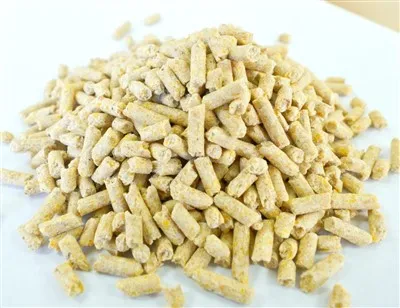
Granulation is not a necessary step for concentrates. Some manufacturers produce concentrated pellets to reduce dust, prevent segregation, and facilitate feeding.
If granulation is required, the mixed powdered concentrate enters a conditioner, is softened by steam, then pressed into pellets by a pellet mill, and finally cooled and sieved to obtain the finished granulated concentrate.
Phase Three: Finished Product Processing and Shipping
Finished Product Packaging and Storage:
The processed concentrate (powder or granules) is transported to the finished product warehouse.
Finished products should be stored in a cool, dry, and well-ventilated place in the warehouse, neatly stacked, following the "first-in, first-out" principle.
Quality Control (QC) and Quality Assurance (QA) throughout the entire process:
Process Monitoring:
Real-time monitoring and recording of all key control points (such as particle size, mixing time, and pelleting temperature).
Finished Product Inspection:
Each batch of finished product must be sampled and tested to ensure that its nutritional components (such as crude protein, calcium, and phosphorus) meet the formula design and label values, and hygiene indicators must be tested.
Sample Retention and Observation:
Samples of each batch of product are retained for traceability in case of problems.
Cleaning and Cross-Contamination Prevention:
When producing different formulas (especially medicated and non-medicated feeds), equipment must be thoroughly cleaned to prevent cross-contamination.
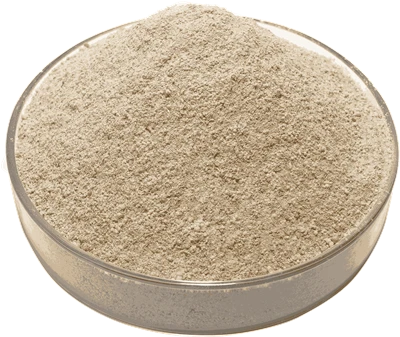
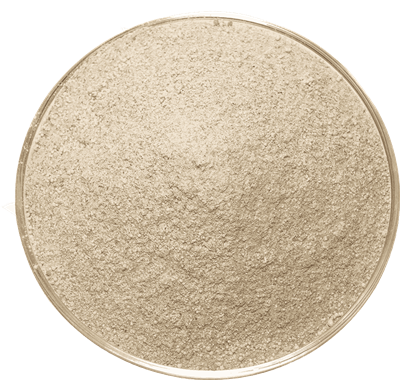
Our hot sale concentrate feed


Summary of Key Characteristics of Concentrated Feed Production:
High Concentration:
Rich in protein, minerals, vitamins, and additives; cannot be fed directly.
High Precision:
Requires extremely high precision in weighing and mixing of trace components.
High Scientific Scope:
Product value depends entirely on the scientific nature of the formulation and the true quality of the raw materials.
Usage:
Farmers must mix it thoroughly with energy feeds (such as corn and bran) according to the manufacturer's recommended ratio to form a complete feed.
Through this standardized industrial production process, the concentrated feed ensures a stable and precise supply of the core nutrients needed by animals, a crucial step in achieving scientific farming and cost reduction.
By understanding the local energy and protein resources available to customers, we develop concentrated feed formulations to achieve the goal of reducing costs for farmers while ensuring nutritional value.