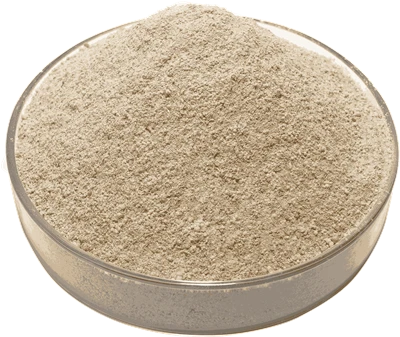
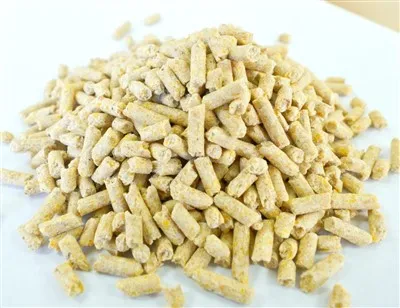
Choosing between premixed feed, concentrate, and complete feed is a crucial decision in animal husbandry, directly impacting animal growth performance, health, and economic benefits. Each of these three feeds has its own characteristics and applicable scenarios; the selection should consider factors such as the scale of the operation, technical capabilities, financial resources, and raw material supply.
Below is a detailed comparative analysis and selection guide:
Core Concepts and Differences
|
Type |
Main Ingredients |
Addition Ratio |
Features |
What the User Needs to Do |
|
Premix |
Core micronutrients: vitamins, minerals, amino acids, enzymes, additives, etc. |
0.5%-5% |
Core technology, providing balanced micronutrients. |
Requires purchasing and mixing bulk raw materials (energy feeds such as corn, protein feeds such as soybean meal, cottonseed meal, etc.). |
|
Concentrate |
Premix + protein feed (soybean meal, fishmeal, etc.). |
10%-40% |
Protein fortification core, solving the problems of protein raw material procurement and formulation. |
Only energy feed needs to be added (mainly corn, sometimes a small amount of bran). |
|
Complete Feed |
Premix + protein feed + energy feed, i.e., a completely formulated feed. |
100% |
ready to eat straight from the bag, nutritionally complete and balanced, and the most convenient to use. |
Direct feeding, no processing or mixing required. |
How to Choose? Key Considerations
1. Farming Scale and Technical Capabilities
Large-Scale Farms:
Recommendation: Premixed feed or concentrate.
Reason: They have professional formulators, purchasing teams, and feed processing equipment (mixers). Using premixes allows for independent control of the quality of bulk raw materials, flexible formula adjustments to cope with raw material price fluctuations, and the lowest overall cost. Those with strong technical capabilities should choose premixes; those who want to simplify protein procurement can choose concentrates.
 Small and Medium-Sized Farms/Family Farms:
Recommendation: Concentrate.
Reason: This is the most balanced choice. It avoids the technical difficulties of purchasing multiple protein raw materials and designing formulas. At the same time, by mixing corn themselves, they can ensure the freshness of energy feed and control some costs. Operation is relatively simple.
Free-Range Farmers/New Farmers:
Recommendation: Complete feed.
Reason: No need for any ingredient preparation or mixing equipment, saving time and effort, and avoiding production losses due to uneven mixing or incorrect formulas. Although the unit cost is higher, it can reduce technical risks and ensure basic farming results.
2. Raw Material Procurement and Quality Control Capabilities
If local supplies of raw materials such as corn and soybean meal are sufficient, of stable quality, and at competitive prices:
Premixed or concentrated feeds can be chosen to reduce costs by taking advantage of local raw material price differences.
If raw material sources are unstable, of inconsistent quality, or lack testing capabilities:
Complete feed is recommended. Large feed companies have systematic raw material quality inspection and control systems that can ensure the stability of feed quality and avoid risks caused by raw material problems (such as mycotoxins).
3. Cost Accounting (Key Decision Point)
Don't just look at the unit price; perform comprehensive cost accounting:
Complete feed cost = Direct product price.
Concentrate cost = (Concentrate price × Addition ratio) + (Corn price × Addition ratio).
Premix cost = (Premix price × Addition ratio) + (Protein ingredient price × Addition ratio) + (Energy ingredient price × Addition ratio).
Comparison principle: Calculate the total cost per ton of finished feed, assuming equivalent nutritional levels and raw material quality. Generally, premixes have the lowest overall cost, while complete feeds have the highest. However, processing costs such as electricity, labor, and losses must be added.
4. Production Management and Convenience
Complete Feed: Most convenient, saving labor, time, and space, and beneficial for disease control (reducing the risk of pathogens introduced by external raw materials).
Concentrate/Premix: Requires storage space, mixing equipment, and weighing personnel, increasing management steps and posing a risk of operational errors (such as uneven mixing).
5. Animal Breeds and Stages
Specialty Breeding, Young Animals, and High-Production Animals (e.g., piglets, piglets, peak-laying chickens, high-producing dairy cows):
These animals have extremely high requirements for feed quality and stability. It is recommended to directly use reputable brand-name complete feeds or high-grade premixes/concentrates to ensure precise nutrition.
Late-Growth, Finishing, and Roughage-Tolerant Animals:
Cost can be a greater consideration; concentrates or premixes can be used.
text
Begin to choose
Do they have professional formulators and quality control capabilities?
↓ ↓
Yes No
↓ ↓
Consider premix feed ①Is there a reliable source of corn and easy mixing capabilities?
↙ ↘
Yes No
priority selection concentrate select complete feed
②Do you prioritize convenience and stability?
↙ ↘
Yes No
selection concentrate selection concentrate
Important Recommendations and Risk Warnings
1.Quality is fundamental: Regardless of the type chosen, the supplier's reputation and product quality are paramount. Choose reputable manufacturers with strong technical capabilities and excellent after-sales service.
2.Beware of the "low-price trap": Premixes/concentrates priced too low may have insufficient levels of active ingredients, leading to decreased animal growth performance and ultimately resulting in more harm than good.
3.Strictly follow the instructions: Especially when using premixes and concentrates, they must be prepared according to the recommended formula. Do not arbitrarily change the proportions or substitute ingredients.
4.Raw material freshness: When preparing feed yourself, raw materials such as corn must be protected from mold. Moldy raw materials are a "hidden killer" for farms.
Transitional changes: When changing feed types, allow a 5-7 day transition period, gradually replacing the feed to avoid stress on the animals.
In summary
For control, cost reduction, and technical expertise: Choose premixed feed.
For a balance, convenience, and protein retention: Choose concentrate feed.
For those lacking technical expertise, risk aversion, and seeking convenience: Choose complete feed.
Ultimately, there is no absolute right or wrong choice, only whether it suits your current farm conditions. It is recommended to start with a small-scale trial, record the farming results and actual costs, and use the data to guide the final decision.