The key to achieving efficient weight gain in broiler chickens lies in meeting their nutritional needs for rapid growth, combined with scientific management. The following is a detailed explanation of broiler chicken weight gain feeding strategies and key nutritional indicators:
Core Feeding Strategies for Rapid Weight Gain in Broilers
Phased Precision Feeding:
This is the most crucial strategy. Adjust the nutritional formula according to the broiler's growth and development stages.
Brooding Period (0-10 days):
Focus on promoting immune system development and organ growth. Feed should be high in energy and protein and easily digestible.
Growth Period (approximately 11-24 days):
Rapid muscle deposition period. Provide the highest level of protein and balanced energy to meet maximum weight gain potential.
Fattening Period/Pre-Market (25 days - Market):
Focus on fat deposition to improve meat quality and flavor. Appropriately increase energy levels; the protein ratio can be slightly reduced.
Free access to feed and ample water:
Ensuring a continuous supply of feed, allowing chickens free access to feed, is fundamental for rapid weight gain.
Provide clean, abundant drinking water. Water shortage has a far greater impact on feed intake and weight gain than feed shortage.
Feed form:
Early stage:
Use small, crushed or powdered feed for easy consumption by chicks.
Mid-to-late stage:
Use pelleted feed. Pelleted feed increases feed intake, reduces waste, and sterilizes during pelleting, further promoting weight gain.
Use of feed additives:
Enzymes:
Such as phytase and non-starch polysaccharide enzymes, improve feed digestibility and absorption.
Probiotics/Prebiotics:
Maintain gut health and enhance nutrient absorption.
Anticoccidial drugs:
Prevent coccidiosis, ensure gut health and nutrient absorption (strictly adhere to withdrawal periods).
Key Nutritional Indicators During Broiler Growth
The following are reference ranges for core nutritional indicators at each stage (specific formulations may need to be adjusted based on breed, season, etc.):
|
Nutritional indicators |
Starter chicks (0-10days) |
Grower broiler (11-24days) |
Fattening broiler (25day-slaughter) |
Functions and Explanations |
|
Metabolic energy(ME) |
12.1-12.6 MJ/kg |
13.0-13.4 MJ/kg |
13.4-13.8 MJ/kg |
Protein is the primary energy source for weight gain. When energy is insufficient, protein will be broken down for energy, leading to waste and slow weight gain. |
|
Crude protein(CP) |
22%-24% |
20%-22% |
18%-20% |
The building blocks of muscle growth. Proteins with a balanced amino acid profile are essential. |
|
Key amino acids |
More important than the total amount of crude protein is meeting the absolute daily intake requirement. |
|||
|
- Lysine(Lys) |
1.20%-1.30% |
1.10%-1.20% |
0.95%-1.05% |
The first limiting amino acid directly affects protein synthesis and weight gain. |
|
- Methionine (Met) |
0.50%-0.55% |
0.45%-0.50% |
0.40%-0.45% |
It works synergistically with lysine to participate in various metabolic processes. |
|
- threonine(Thr) |
0.80%-0.85% |
0.75%-0.80% |
0.70%-0.75% |
Maintaining gut health affects feed conversion rate. |
|
calcium (Ca) |
0.90%-1.00% |
0.85%-0.95% |
0.80%-0.90% |
Bone development, blood clotting, nerve conduction. The ratio of phosphorus to phosphorus needs to be coordinated.. |
|
Available phosphorus (AP) |
0.45%-0.50% |
0.42%-0.47% |
0.38%-0.42% |
Together with calcium, it forms bones and participates in energy metabolism. |
|
Electrolyte balance |
It affects fluid balance and protein deposition, and is commonly represented by Na+K-Cl. |
Recommend CJ broiler feed

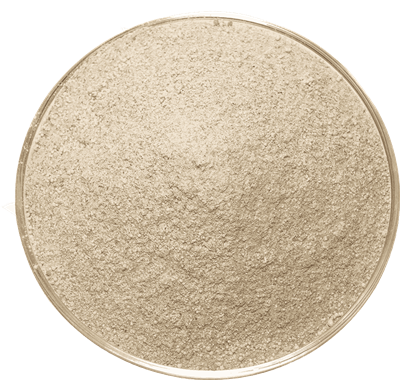
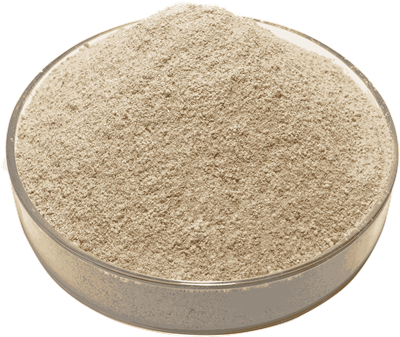
43% protein broiler concentrate is a commonly used high-energy, high-protein core feed in the middle and late stages of breeding (especially the fattening period).

precisely meet the nutritional needs of chicks during their rapid growth, laying a solid foundation for efficient fattening in the later stages.
Core Production Performance Indicators for Measuring Feeding Effectiveness
Average Daily Weight Gain (ADG):
The number of grams of weight gain per chicken per day. Directly reflects growth rate.
Feed Intake (FI):
The number of grams of feed consumed per chicken per day.
Fertilizer Ratio (FCR):
The most important economic indicator. How many kilograms of feed are consumed to produce 1 kilogram of chicken meat.
Calculation Formula:
FCR = Total Feed Consumption / Total Weight Gain
Target: The overall feed conversion ratio for modern broiler chickens is typically 1.5-1.7:1. The lower the value, the higher the feed conversion efficiency and the greater the profit margin.
Precautions and Comprehensive Management
Breed Selection:
Selecting breeds with excellent growth performance (such as Cobb, AA+, etc.) is a prerequisite for efficient weight gain.
Raising condition
Temperature:
33-35°C during the initial brooding period, then gradually decrease by 2-3°C each week, maintaining a temperature of 20-24°C until slaughter.
Ventilation:
Providing sufficient oxygen and removing ammonia, dust, and excess humidity is crucial for healthy growth in the mid-to-late stages.
Density:
Appropriate stocking density ensures each chicken has sufficient space for feeding and drinking.
Disease Prevention:
A healthy flock guarantees efficient nutrient absorption. Implement strict biosecurity procedures and immunization programs.
Lighting Management:
Adequate lighting stimulates feeding and promotes growth.
In summary, to achieve optimal weight gain in broilers, a phased and precise nutritional approach is essential, particularly ensuring an adequate and balanced supply of energy, protein, and key amino acids (lysine and methionine). Furthermore, a high feed conversion ratio (FCR) is the gold standard for measuring nutritional and management success. All nutritional strategies must be built upon a foundation of good husbandry practices, a healthy flock, and a comfortable environment.