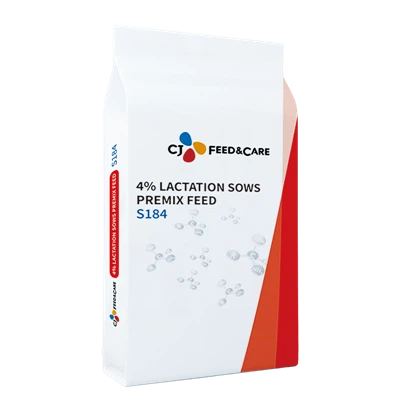
As a supplier of premix feed for dry cows, I often encounter inquiries from dairy farmers about the shelf life of this essential product. Understanding the shelf life of premix feed is crucial for maintaining its quality and ensuring the health and productivity of dry cows. In this blog post, I will delve into the factors that influence the shelf life of premix feed for dry cows, provide guidelines on proper storage, and discuss the implications of using expired feed.
Factors Affecting the Shelf Life of Premix Feed
The shelf life of premix feed for dry cows is influenced by several factors, including the quality of raw materials, manufacturing processes, packaging, and storage conditions. Let's take a closer look at each of these factors:
Raw Materials
The quality of raw materials used in the production of premix feed plays a significant role in determining its shelf life. High-quality ingredients are less likely to degrade over time, ensuring the stability and effectiveness of the feed. For example, vitamins and minerals are essential components of premix feed, and their stability can be affected by factors such as oxidation, moisture, and temperature. Using high-quality, stabilized forms of these nutrients can help extend the shelf life of the feed.
Manufacturing Processes
The manufacturing processes employed in the production of premix feed can also impact its shelf life. Proper mixing and blending of ingredients are essential to ensure uniform distribution of nutrients and prevent the formation of clumps or pockets of concentrated ingredients. Additionally, the use of appropriate processing techniques, such as extrusion or pelleting, can help improve the stability and durability of the feed.
Packaging
The type of packaging used for premix feed can have a significant impact on its shelf life. Packaging materials should be designed to protect the feed from moisture, oxygen, light, and pests. For example, using airtight, moisture-resistant bags or containers can help prevent the growth of mold and bacteria and extend the shelf life of the feed. Additionally, packaging should be labeled with clear instructions on storage and handling to ensure proper use of the product.
Storage Conditions
The storage conditions of premix feed are perhaps the most critical factor in determining its shelf life. Feed should be stored in a cool, dry, and well-ventilated area away from direct sunlight and sources of heat. Exposure to high temperatures and humidity can accelerate the degradation of nutrients and promote the growth of mold and bacteria, reducing the shelf life of the feed. Additionally, feed should be stored off the ground on pallets to prevent moisture absorption and damage from pests.
Recommended Shelf Life of Premix Feed for Dry Cows
The recommended shelf life of premix feed for dry cows can vary depending on the factors discussed above. In general, most premix feeds have a shelf life of 6 to 12 months when stored under proper conditions. However, it is important to note that this is only a general guideline, and the actual shelf life of the feed may vary depending on the specific product and storage conditions.
To ensure the quality and effectiveness of premix feed, it is recommended to use the feed within the recommended shelf life and to follow the manufacturer's instructions on storage and handling. Additionally, it is important to regularly inspect the feed for signs of mold, bacteria, or other signs of spoilage and to discard any feed that appears to be damaged or spoiled.
Implications of Using Expired Premix Feed
Using expired premix feed can have several negative implications for the health and productivity of dry cows. Expired feed may contain reduced levels of essential nutrients, which can lead to nutrient deficiencies and poor performance in cows. Additionally, expired feed may be contaminated with mold, bacteria, or other pathogens, which can cause digestive problems, infections, and other health issues in cows.
To avoid these problems, it is important to use fresh, high-quality premix feed and to follow the recommended storage and handling guidelines. If you have any questions or concerns about the shelf life or quality of your premix feed, it is recommended to consult with a veterinarian or a qualified animal nutritionist.
Proper Storage and Handling of Premix Feed
To ensure the maximum shelf life and quality of premix feed for dry cows, it is important to follow proper storage and handling practices. Here are some tips to help you store and handle your premix feed effectively:


Store Feed in a Cool, Dry Place
As mentioned earlier, feed should be stored in a cool, dry, and well-ventilated area away from direct sunlight and sources of heat. The ideal storage temperature for premix feed is between 50°F and 70°F (10°C and 21°C), with a relative humidity of less than 70%.
Use Airtight Containers or Bags
To prevent the entry of moisture, oxygen, and pests, it is recommended to store feed in airtight containers or bags. This can help extend the shelf life of the feed and prevent the growth of mold and bacteria.
Label Feed Clearly
To ensure proper use of the feed, it is important to label it clearly with the date of purchase, the expiration date, and any other relevant information. This can help you keep track of the age of the feed and ensure that you are using it within the recommended shelf life.
Rotate Feed Regularly
To ensure that you are using the oldest feed first, it is recommended to rotate your feed inventory regularly. This can help prevent the accumulation of expired feed and ensure that you are always using fresh, high-quality feed.
Clean Storage Areas Regularly
To prevent the buildup of dust, debris, and other contaminants, it is important to clean your storage areas regularly. This can help prevent the growth of mold and bacteria and ensure the quality and safety of your feed.
Conclusion
In conclusion, understanding the shelf life of premix feed for dry cows is essential for maintaining its quality and ensuring the health and productivity of your herd. By considering the factors that influence the shelf life of the feed, following proper storage and handling practices, and using fresh, high-quality feed, you can help ensure the long-term success of your dairy operation.
If you are interested in learning more about our Concentrate Feed for Grower Cow, Concentrate Feed For Dairy Cattle, or Premix For Dairy Cows, please feel free to contact us to discuss your specific needs and requirements. We are committed to providing high-quality feed products and excellent customer service to help you achieve your dairy farming goals.
References
- National Research Council. (2001). Nutrient Requirements of Dairy Cattle (7th rev. ed.). National Academy Press.
- Dairy Nutrition Council. (n.d.). Feed Storage and Handling. Retrieved from [Website URL]
- American Feed Industry Association. (n.d.). Feed Manufacturing and Quality Assurance. Retrieved from [Website URL]