Are there any flavorings in gestation feed for pigs?
As a supplier of gestation feed for pigs, I often encounter questions from farmers and industry professionals about the composition of our products. One of the most common inquiries is whether there are any flavorings in our gestation feed. In this blog post, I will delve into this topic, providing a scientific and detailed explanation to help you understand the role of flavorings in pig gestation feed.
The Importance of Gestation Feed for Pigs
Before discussing flavorings, it's crucial to understand the significance of gestation feed. The gestation period is a critical stage in a sow's life, during which proper nutrition is essential for the health and development of both the sow and her piglets. A well - formulated gestation feed should provide all the necessary nutrients, including proteins, carbohydrates, fats, vitamins, and minerals, to support the sow's physiological changes and the growth of the fetuses.
During gestation, sows experience increased energy requirements, especially in the later stages. They also need a balanced diet to maintain their body condition, ensure proper fetal development, and prepare for lactation. A deficiency in any essential nutrient can lead to various problems, such as low birth weight, poor piglet survival rates, and reduced milk production.
The Role of Flavorings in Animal Feed
Flavorings are substances added to animal feed to improve its palatability. In the context of pig feed, palatability is of great importance. Pigs, like other animals, have taste preferences, and a feed that is more palatable can encourage them to consume more. This is particularly important during gestation when sows need to meet their increased nutritional requirements.
There are several reasons why flavorings are used in pig feed:
- Stimulating Appetite: Pregnant sows may experience a decrease in appetite due to physiological changes. Flavorings can help stimulate their appetite, ensuring that they consume an adequate amount of feed.
- Masking Unpleasant Tastes: Some feed ingredients may have an unpleasant taste or odor. Flavorings can be used to mask these undesirable characteristics, making the feed more acceptable to the pigs.
- Consistency in Feed Intake: By improving palatability, flavorings can help maintain a consistent feed intake throughout the gestation period. This is important for ensuring that sows receive a consistent supply of nutrients.
Flavorings in Our Gestation Feed for Pigs
In our gestation feed for pigs, we do use flavorings, but we are very careful about the types and amounts we add. Our flavorings are carefully selected to meet the specific needs of pregnant sows and to ensure the safety and quality of the feed.
We use natural and synthetic flavorings. Natural flavorings are derived from plant or animal sources, such as herbs, spices, and fruits. These flavorings are generally considered safe and can provide additional health benefits. For example, some natural flavorings may have antioxidant or anti - inflammatory properties.
Synthetic flavorings, on the other hand, are chemically synthesized to mimic natural flavors. They are often more cost - effective and can provide a more consistent flavor profile. However, we only use synthetic flavorings that have been approved by relevant regulatory authorities and have been proven to be safe for animal consumption.
The amount of flavorings we add to our gestation feed is carefully controlled. We conduct extensive research and testing to determine the optimal level of flavorings that can improve palatability without affecting the nutritional balance of the feed. Our goal is to provide a feed that is not only palatable but also nutritionally complete.
Other Considerations in Gestation Feed
While flavorings play an important role in improving palatability, they are just one aspect of a well - formulated gestation feed. We also pay close attention to other factors, such as the quality of the raw materials, the balance of nutrients, and the processing methods.
The raw materials we use in our gestation feed are carefully sourced from reliable suppliers. We ensure that they meet strict quality standards and are free from contaminants. For example, we use high - quality grains, protein sources, and vitamins to provide a balanced diet for the sows.
In addition to flavorings, we also add other additives to our gestation feed, such as probiotics and prebiotics. These additives can help improve the digestive health of the sows, enhance nutrient absorption, and reduce the risk of diseases.
Our Product Range
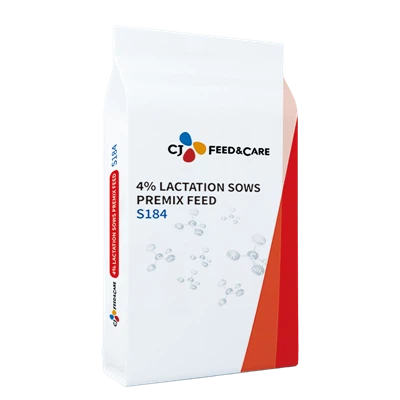
Apart from our gestation feed for pigs, we also offer a range of other swine feeds, including Lactating Sow Premix Feed, Boar Premix Feed, and 4% Piglet Premix Feed. Each of these feeds is specifically formulated to meet the unique nutritional needs of different stages of the pig's life cycle.
Our lactating sow premix feed is designed to provide high - quality nutrition to support milk production and the health of the piglets. It contains a balanced combination of proteins, fats, vitamins, and minerals to ensure optimal lactation performance.


The boar premix feed is formulated to maintain the reproductive performance and overall health of boars. It provides the necessary nutrients to support sperm quality and libido.
The 4% piglet premix feed is suitable for young piglets, providing them with the essential nutrients for growth and development. It helps to improve their immunity and digestive function.
Conclusion
In conclusion, our gestation feed for pigs does contain flavorings, but they are used in a responsible and controlled manner. The flavorings are added to improve palatability, stimulate appetite, and ensure that sows consume an adequate amount of feed during the critical gestation period.
We are committed to providing high - quality swine feeds that meet the nutritional needs of pigs at different stages of their life cycle. Our products are backed by extensive research and testing to ensure their safety and effectiveness.
If you are interested in our gestation feed for pigs or any of our other swine feed products, we encourage you to contact us for more information and to discuss your specific requirements. We are always ready to provide professional advice and support to help you achieve the best results in your pig farming operations.
References
- National Research Council. (2012). Nutrient Requirements of Swine. The National Academies Press.
- Pluske, J. R., et al. (2018). Swine Nutrition. Academic Press.
- De Haer, C. M., & Merks, J. W. M. (1992). The effect of flavour on feed intake and growth of pigs. Animal Feed Science and Technology, 37(1 - 2), 107 - 116.