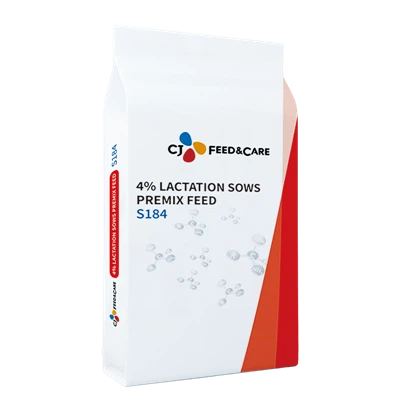
Hey there! As a supplier of Lamb Complete Feed, I often get asked about the shelf life of our products. It's a crucial question, especially for farmers and livestock owners who want to make sure they're getting the best value for their money and, more importantly, providing the healthiest feed for their lambs.
So, what exactly is the shelf life of Lamb Complete Feed? Well, it depends on a few factors. First off, let's talk about the ingredients. Our Lamb Complete Feed is a carefully formulated mix of grains, proteins, vitamins, and minerals. These ingredients are sourced from high - quality suppliers to ensure the best nutrition for your lambs.
The grains in our feed, like corn and barley, are a great source of energy. But they can also be affected by moisture and temperature. If the feed is stored in a place that's too humid, the grains can start to mold. And moldy feed is a big no - no for lambs. It can cause all sorts of health problems, from digestive issues to more serious respiratory problems.
The proteins in the feed, which come from sources like soybean meal, are also sensitive. Over time, the quality of proteins can degrade, especially if the feed is exposed to high temperatures. This degradation can reduce the nutritional value of the feed, meaning your lambs won't get all the essential amino acids they need for growth and development.
Now, let's get to the actual numbers. Under ideal storage conditions, which means a cool, dry place with a temperature between 50°F and 70°F (10°C - 21°C) and a relative humidity of less than 60%, our Lamb Complete Feed has a shelf life of about 3 to 6 months. This is a general guideline, and the exact shelf life can vary depending on the specific formulation of the feed.
If you're wondering why there's a range, it's because different batches of feed might have slightly different ingredients or manufacturing dates. For example, a batch that has more natural preservatives might last a bit longer than one with fewer.
But what if you can't store the feed under ideal conditions? Well, if the temperature is higher than 70°F (21°C), the shelf life can be reduced to 1 to 3 months. And if the humidity is high, say above 60%, the feed might only last a month or less before it starts to spoil.
So, how can you tell if the feed has gone bad? There are a few signs to look out for. First, check the smell. If the feed has a musty or sour odor, it's probably spoiled. Second, look at the color and texture. If the feed has clumps or if it looks discolored, it's a sign that something's not right. And finally, if you see any signs of mold, like white or green spots, don't feed it to your lambs.
As a supplier, we take every step to ensure the quality and shelf life of our Lamb Complete Feed. We use high - quality ingredients, and our manufacturing process is designed to preserve the nutritional value of the feed for as long as possible. We also provide detailed storage instructions on the packaging to help you get the most out of our products.
Now, besides Lamb Complete Feed, we also offer other great products for your sheep. If you're interested in feed for breeder ewes, check out our Breeder Ewe Premix Feed. It's specially formulated to meet the nutritional needs of ewes during pregnancy and lactation.
And for growing and finishing sheep, our Sheep Grower Finisher Premix Feed is a top - notch choice. It helps sheep reach their optimal weight and health.
Of course, if you're still focused on Lamb Complete Feed, you can find more information about it on our website Lamb Complete Feed.


If you're in the market for high - quality sheep feed, we'd love to talk to you. Whether you're a small - scale farmer or a large - scale livestock operation, we can provide the right feed solutions for your needs. Contact us to start a conversation about your requirements and let's work together to keep your lambs healthy and happy.
References
- Feed Manufacturing and Nutrition Handbook. A comprehensive guide on feed production and storage.
- Livestock Feed Science and Technology Journal. Articles on the shelf life and quality of animal feeds.