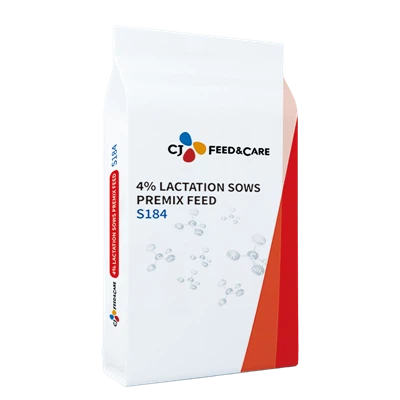
As a supplier of Gilts Feed, I've witnessed firsthand the significant impact our products have on the digestive health of gilts. In this blog, I'll delve into the science behind how Gilts Feed affects gilt digestion, exploring the key components, benefits, and considerations.
The Importance of Digestive Health in Gilts
Digestive health is paramount for gilts, as it directly influences their growth, development, and overall well - being. A healthy digestive system enables gilts to efficiently absorb nutrients from their feed, which is crucial for proper body function, immune system support, and reproductive performance. Poor digestion can lead to a range of issues, including reduced feed intake, weight loss, diarrhea, and increased susceptibility to diseases.


Key Components of Gilts Feed and Their Impact on Digestion
1. High - Quality Proteins
Proteins are the building blocks of life, and in Gilts Feed, they play a vital role in digestion. High - quality proteins, such as those derived from soybean meal and fish meal, are easily digestible. They are broken down into amino acids in the digestive tract, which are then absorbed and used for various physiological processes, including muscle development and repair.
Amino acids like lysine, methionine, and threonine are essential for gilt growth. When the feed contains an appropriate balance of these amino acids, it promotes better digestion and utilization of nutrients. For example, lysine is crucial for protein synthesis in the body. If the feed is deficient in lysine, the gilt's digestive system may struggle to break down and absorb other nutrients effectively.
2. Carbohydrates
Carbohydrates are a major source of energy in Gilts Feed. Simple carbohydrates, such as sugars, are quickly digested and absorbed in the small intestine, providing an immediate energy boost. Complex carbohydrates, like starches and dietary fibers, have a different impact on digestion.
Starches are broken down into glucose, which is used by the body for energy. Dietary fibers, on the other hand, play a crucial role in maintaining gut health. They add bulk to the feed, which stimulates the movement of the digestive tract, preventing constipation. Additionally, certain types of dietary fibers, such as prebiotics, act as food for beneficial gut bacteria. These bacteria help in the fermentation of fibers, producing short - chain fatty acids (SCFAs) like acetate, propionate, and butyrate. SCFAs have several health benefits, including providing energy to the cells lining the gut, improving gut barrier function, and modulating the immune system.
3. Fats
Fats are a concentrated source of energy in Gilts Feed. They also aid in the absorption of fat - soluble vitamins (A, D, E, and K). Medium - chain triglycerides (MCTs) are a type of fat that is easily digested and absorbed. They can be quickly metabolized by the body, providing a rapid source of energy.
In addition to energy provision, fats also have a positive impact on the palatability of the feed. A more palatable feed encourages gilts to eat more, which is beneficial for their growth and development. However, it's important to maintain the right balance of fats in the feed, as an excessive amount can lead to digestive problems, such as diarrhea.
4. Vitamins and Minerals
Vitamins and minerals are essential for proper digestive function. For example, vitamin B complex plays a crucial role in the metabolism of carbohydrates, proteins, and fats. Vitamin B1 (thiamine) is involved in the conversion of carbohydrates into energy, while vitamin B6 is important for amino acid metabolism.
Minerals like calcium, phosphorus, and magnesium are also vital for digestive health. Calcium is involved in muscle contractions, including those of the digestive tract. Phosphorus is important for energy metabolism and the formation of cell membranes. Magnesium acts as a co - factor for many enzymes involved in digestion.
Benefits of Our Gilts Feed on Gilt Digestion
1. Improved Nutrient Absorption
Our Gilts Feed is formulated with a precise balance of nutrients to ensure optimal digestion and absorption. The high - quality ingredients are carefully selected to provide the necessary amino acids, carbohydrates, fats, vitamins, and minerals in the right proportions. This balance allows the gilt's digestive system to break down the feed efficiently, maximizing the absorption of nutrients. As a result, gilts can grow and develop at a healthy rate.
2. Enhanced Gut Microbiota
We include prebiotics and probiotics in our Gilts Feed to promote a healthy gut microbiota. Prebiotics act as a food source for beneficial bacteria, while probiotics are live microorganisms that confer health benefits when consumed in adequate amounts. The presence of a diverse and balanced gut microbiota helps in the digestion of complex nutrients, improves gut barrier function, and reduces the risk of intestinal infections.
3. Reduced Digestive Disorders
By providing a well - balanced diet, our Gilts Feed helps to prevent common digestive disorders in gilts. The appropriate levels of dietary fibers help to regulate bowel movements, preventing constipation and diarrhea. The balanced amino acid profile reduces the stress on the digestive system, minimizing the risk of digestive upsets.
Considerations for Using Gilts Feed
1. Transition Period
When introducing our Gilts Feed to gilts, it's important to have a gradual transition period. Sudden changes in diet can disrupt the digestive system and lead to digestive problems. Start by mixing a small amount of the new feed with the old feed and gradually increase the proportion of the new feed over a period of 7 - 10 days.
2. Feed Quality and Storage
Maintaining the quality of the Gilts Feed is crucial for gilt digestion. Store the feed in a cool, dry place to prevent spoilage and the growth of mold and bacteria. Moldy feed can contain mycotoxins, which are harmful to the gilt's digestive system and overall health.
3. Water Availability
Adequate water is essential for proper digestion. Make sure gilts have access to clean, fresh water at all times. Water helps in the digestion and absorption of nutrients, as well as in the elimination of waste products from the body.
Other Related Products
In addition to our high - quality Gilts Feed, we also offer Milk Replacement for Piglets and 4% Piglet Premix Feed. These products are designed to meet the specific nutritional needs of different stages of swine development, ensuring optimal growth and health.
Conclusion
Our Gilts Feed is carefully formulated to have a positive impact on gilt digestion. By providing a balanced diet rich in high - quality nutrients, promoting a healthy gut microbiota, and preventing digestive disorders, our feed helps gilts grow and develop into healthy, productive animals. If you're interested in learning more about our Gilts Feed or other swine feed products, we encourage you to reach out to us for a procurement discussion. We're committed to providing the best feed solutions for your swine operation.
References
- NRC (National Research Council). (2012). Nutrient Requirements of Swine. 11th Edition. The National Academies Press.
- Pluske, J. R., van Barneveld, R. J., & Verstegen, M. W. A. (2003). Gastrointestinal development in the neonatal pig: implications for the establishment of efficient digestion. Livestock Production Science, 82(1 - 3), 141 - 158.
- Montagne, L., Pluske, J. R., & Hampson, D. J. (2003). Nutritional influences on the gut microbiota of the young pig. Livestock Production Science, 82(1 - 3), 159 - 171.