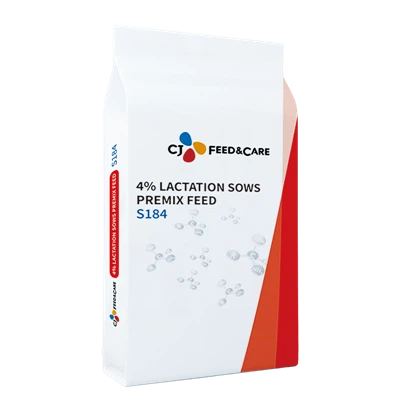
As a supplier of Premix Feed for Dry Cow, I've spent a significant amount of time exploring the palatability factors of this essential product. Palatability is a critical aspect when it comes to dry cow nutrition, as it directly influences feed intake, which in turn impacts the health and productivity of the cows. In this blog, I'll delve into the key palatability factors of premix feed for dry cows and how they contribute to overall herd performance.
1. Ingredient Quality and Composition
The quality and composition of ingredients in premix feed play a fundamental role in determining its palatability. High - quality raw materials not only provide the necessary nutrients but also have a more appealing flavor and aroma. For example, using premium grains such as corn and barley can enhance the sweetness and nutty flavor of the feed. These grains are rich in carbohydrates, which are easily digestible and provide energy for the cows.
Proteins are another crucial component of premix feed. High - quality protein sources like soybean meal not only supply essential amino acids but also have a distinct, savory flavor that cows find attractive. Additionally, the use of natural fats and oils, such as fish oil or vegetable oil, can add a pleasant, rich taste to the feed. Fats also help in improving the texture of the feed, making it more palatable.
Minerals and vitamins are essential for the health of dry cows, but their form and source can affect palatability. Chelated minerals, for instance, are often more palatable than inorganic forms because they are better absorbed and have a less metallic taste. Vitamins should be in a stable form that does not degrade quickly, ensuring that they maintain their nutritional value and do not impart an unpleasant taste to the feed.
2. Flavor and Aroma
Flavor and aroma are perhaps the most obvious palatability factors. Cows have a well - developed sense of smell, and the aroma of the feed can greatly influence their willingness to eat. Natural flavors derived from herbs and spices can be added to the premix feed to enhance its appeal. For example, the addition of fenugreek or anise can give the feed a sweet, licorice - like aroma that cows find enticing.
Artificial flavors can also be used, but they must be carefully selected to mimic natural flavors and be safe for animal consumption. When choosing flavors, it's important to consider the preferences of cows. Some flavors that are popular with humans may not be appealing to cows. By conducting palatability trials, we can determine which flavors are most effective in increasing feed intake.
Aroma can also be affected by the processing of the feed. Proper grinding and mixing of the ingredients can release volatile compounds that contribute to the overall aroma of the feed. Over - processing, on the other hand, can destroy these compounds and reduce the palatability of the feed.
3. Texture
The texture of the premix feed is another important factor. Cows prefer feeds with a consistent and appropriate texture. A feed that is too fine may cause dustiness, which can be unappealing and may even lead to respiratory problems for the cows. On the other hand, a feed that is too coarse may be difficult for cows to chew and digest.
Pelleting is a common method used to improve the texture of premix feed. Pelleted feeds are more uniform in size and density, making them easier for cows to consume. The pelleting process also helps to bind the ingredients together, reducing the separation of different components during storage and feeding. This results in a more consistent diet for the cows.
Crumbled feeds are also an option. They offer a compromise between the fine texture of a meal and the solidity of a pellet. Crumbled feeds are often more palatable to cows that have difficulty chewing large pellets.
4. Feed Freshness
Freshness is crucial for maintaining the palatability of premix feed. Over time, the quality of the feed can deteriorate due to oxidation, mold growth, and the loss of volatile flavor compounds. To ensure freshness, proper storage conditions are essential. The feed should be stored in a cool, dry place, away from direct sunlight.
Airtight containers or silos can help to prevent the entry of oxygen and moisture, which can cause spoilage. Regular inventory management is also important to ensure that the feed is used before it goes bad. Feeding fresh batches of premix feed on a regular basis can encourage cows to eat more, as they are more likely to be attracted to the fresh aroma and flavor.
5. Feed Presentation
How the premix feed is presented to the cows can also affect palatability. Cows are more likely to eat feed that is presented in a clean and accessible manner. Feed troughs should be cleaned regularly to prevent the buildup of old feed, dirt, and manure, which can contaminate the new feed and make it less appealing.
The amount of feed offered at one time is also important. Over - feeding can lead to feed wastage and may cause cows to become selective about what they eat. On the other hand, under - feeding can lead to hunger and stress, which can also affect feed intake. Offering the right amount of feed at regular intervals can help to maintain a consistent appetite in the cows.
Impact on Herd Performance
Improving the palatability of premix feed for dry cows has a direct impact on herd performance. When cows find the feed more palatable, they are more likely to consume an adequate amount of nutrients. This is especially important during the dry period, as it is a critical time for the cows to recover from the previous lactation and prepare for the next one.
Adequate feed intake during the dry period can lead to better body condition scores, which are associated with improved reproductive performance. Cows that are in good body condition are more likely to conceive quickly after calving and have fewer calving problems.
In addition, proper nutrition during the dry period can enhance the immune system of the cows, making them more resistant to diseases. This can reduce the incidence of mastitis, metritis, and other common health problems in dairy cows.
Conclusion
As a supplier of Premix Feed for Dry Cow, I understand the importance of palatability in ensuring the health and productivity of dry cows. By focusing on ingredient quality, flavor and aroma, texture, feed freshness, and feed presentation, we can create a premix feed that is highly palatable and meets the nutritional needs of the cows.


If you're interested in improving the palatability of the premix feed for your dry cows, I encourage you to explore our range of products. We also offer Concentrate Feed For Dairy Cattle and Premix For Dairy Cows to meet all your dairy cow nutrition needs. Contact us today to start a discussion about how our products can benefit your herd.
References
- National Research Council. (2001). Nutrient Requirements of Dairy Cattle. National Academies Press.
- Webster, A. J. F. (2009). The Nutrition of Dairy Cows. CABI.
- Van Soest, P. J. (1994). Nutritional Ecology of the Ruminant. Cornell University Press.