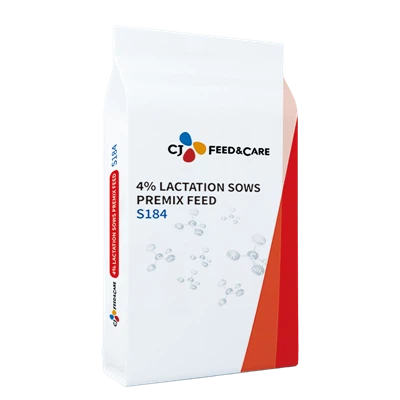
As a supplier of gestation feed for pigs, I've witnessed firsthand the significant influence this feed has on various aspects of pig farming, including manure quality. Manure quality is a crucial factor in pig farming, not only for environmental management but also for its potential use as a fertilizer. In this blog, I'll delve into the impacts of gestation feed for pigs on manure quality, exploring the science behind it and its practical implications for farmers.
Nutrient Composition of Gestation Feed and Its Transfer to Manure
The nutrient composition of gestation feed plays a pivotal role in determining the quality of manure. Gestation feed is formulated to meet the specific nutritional requirements of pregnant sows, which include a balanced supply of proteins, carbohydrates, fats, vitamins, and minerals. When sows consume this feed, the nutrients are digested and absorbed to support the growth and development of the fetuses, as well as the maintenance of the sow's own body. However, not all nutrients are fully utilized, and some are excreted in the manure.
Protein is one of the most important nutrients in gestation feed, and its level can significantly affect manure quality. High - protein diets can lead to increased nitrogen excretion in the manure. Nitrogen is present in manure mainly in the form of ammonia and organic nitrogen. Excessive nitrogen in manure can cause environmental problems, such as air pollution through ammonia volatilization and water pollution when manure is applied to fields and nitrogen leaches into groundwater. On the other hand, a well - balanced protein diet can optimize nitrogen utilization by the sow, reducing nitrogen excretion and improving manure quality. For example, using high - quality protein sources with a balanced amino acid profile can enhance protein digestion and absorption, resulting in less nitrogen being excreted in the manure.
Phosphorus is another key nutrient in gestation feed. Similar to nitrogen, excessive phosphorus in the diet can lead to increased phosphorus excretion in the manure. Phosphorus runoff from manure - applied fields can contribute to eutrophication of water bodies, causing algal blooms and oxygen depletion. Therefore, formulating gestation feed with an appropriate level of phosphorus is essential. This can be achieved by using phytase, an enzyme that can break down phytate - bound phosphorus in feed ingredients, making it more available for absorption by the sow and reducing phosphorus excretion in the manure.
Impact on Manure Physical Properties
The type and quality of gestation feed can also influence the physical properties of manure, such as its moisture content, texture, and density. Feed ingredients with high fiber content can increase the bulkiness of manure and improve its water - holding capacity. This can be beneficial as it can reduce the risk of manure runoff and make it easier to handle and store. For instance, including ingredients like wheat bran or beet pulp in gestation feed can increase the fiber content and result in a more structured and less liquid - like manure.
On the other hand, feeds high in fat can make manure more oily and sticky, which may pose challenges in manure management. Fatty manure can be difficult to spread evenly on fields and may also attract pests. Therefore, the fat content in gestation feed needs to be carefully controlled to maintain an optimal manure physical property.
Microbial Composition in Manure
The feed that sows consume during gestation can have a profound impact on the microbial composition of their manure. Different feed ingredients can select for different types of microorganisms in the sow's gut. For example, diets rich in prebiotics, such as oligosaccharides, can promote the growth of beneficial bacteria in the gut, such as lactobacilli and bifidobacteria. These beneficial bacteria can then be excreted in the manure, potentially improving its quality.
Beneficial bacteria in manure can play important roles in the decomposition of organic matter and the reduction of odor. They can break down complex organic compounds in manure into simpler forms, making it more suitable for use as a fertilizer. Additionally, some beneficial bacteria can produce substances that inhibit the growth of harmful pathogens in manure, reducing the risk of disease transmission.


Practical Implications for Farmers
For farmers, understanding the impact of gestation feed on manure quality is crucial for sustainable pig farming. By choosing the right gestation feed, farmers can not only improve the health and productivity of their sows but also reduce the environmental impact of manure.
A high - quality gestation feed can reduce the amount of nutrients, especially nitrogen and phosphorus, in manure, which can help farmers comply with environmental regulations regarding manure management. This can also reduce the cost associated with manure treatment and disposal. For example, if manure has a lower nitrogen content, there will be less ammonia volatilization during storage and application, reducing the need for expensive odor - control measures.
In addition, manure with good physical and microbial properties can be a valuable resource for soil fertility. Farmers can use it as a natural fertilizer to improve soil structure, increase soil organic matter content, and provide essential nutrients for crop growth. This can reduce the reliance on synthetic fertilizers, saving costs and promoting sustainable agriculture.
Our Product Offerings
As a supplier of gestation feed for pigs, we offer a range of high - quality products designed to optimize sow health and manure quality. Our feeds are formulated based on the latest scientific research and industry best practices. We use high - quality ingredients and advanced manufacturing processes to ensure the nutritional balance and digestibility of our feeds.
In addition to gestation feed, we also provide other related products, such as Boar Premix Feed, Lactating Sow Premix Feed, and Alternative Milk for Piglets. These products are all part of our comprehensive swine - feed solution, aimed at meeting the different nutritional needs of pigs at various stages of their life cycle.
Conclusion
The impact of gestation feed for pigs on manure quality is multi - faceted, affecting nutrient composition, physical properties, and microbial composition. By carefully formulating gestation feed, farmers can improve manure quality, reduce environmental impact, and enhance the overall sustainability of their pig - farming operations.
If you are interested in learning more about our gestation feed products or have any questions regarding manure quality and pig nutrition, please feel free to contact us. We are more than happy to have a detailed discussion with you and help you find the best solutions for your pig - farming needs.
References
- Aarnink, A. J. A., & Verstegen, M. W. A. (2007). Reducing the environmental impact of pig production by nutritional means. Livestock Science, 108(1 - 3), 1 - 11.
- Stein, H. H., & Kil, D. Y. (2006). Strategies to reduce nitrogen and phosphorus excretion in swine. Journal of Animal Science, 84(E. Suppl. 2), E112 - E124.
- Canh, T. T., Verstegen, M. W. A., & Aarnink, A. J. A. (1998). Effect of dietary protein level and amino acid supplementation on nitrogen excretion and ammonia emission from growing - finishing pigs. Journal of Animal Science, 76(6), 1555 - 1562.