What is the moisture content in proper dairy cow feed?
As a dairy cow feed supplier, I understand the critical role that feed quality plays in the health and productivity of dairy cows. One often - overlooked aspect of feed quality is the moisture content. In this blog, I'll delve into what the appropriate moisture content in dairy cow feed is and why it matters.
The Importance of Moisture Content in Dairy Cow Feed
Moisture content affects almost every aspect of dairy cow feed, from its nutritional value to its storage stability. For starters, the right amount of moisture is essential for the palatability of the feed. Dairy cows are more likely to consume feed that has a suitable moisture level, which in turn ensures they get the necessary nutrients for optimal milk production, growth, and overall well - being.
If the moisture content is too high, the feed becomes a breeding ground for mold and bacteria. These microorganisms can produce toxins that are harmful to cows, leading to various health issues such as digestive problems, reduced milk production, and even death in severe cases. Moreover, high - moisture feed is more likely to spoil quickly, resulting in significant economic losses for farmers.
On the other hand, if the moisture content is too low, the feed may be unpalatable, and cows may not consume enough of it. This can lead to nutrient deficiencies, poor body condition, and decreased milk yield. Additionally, very dry feed can be dusty, which can cause respiratory problems for the cows.
Moisture Content in Different Types of Dairy Cow Feed
Forage
Forages such as hay and silage are a major part of a dairy cow's diet.
Hay: Good - quality hay typically has a moisture content of around 12 - 18%. When hay is harvested, it is crucial to dry it to this range. If it is baled with a moisture content higher than 18%, there is a high risk of mold growth during storage. The drying process can be affected by weather conditions, so farmers often use moisture meters to ensure the hay is at the right moisture level before baling.
Silage: Silage is made by fermenting forage crops. The ideal moisture content for making silage is between 60 - 70%. At this moisture level, the fermentation process is more efficient, and the silage is more likely to be well - preserved. If the moisture content is lower than 60%, the fermentation may not occur properly, leading to poor - quality silage. If it is higher than 70%, the silage may become too wet and may start to spoil or seep, resulting in nutrient losses.
Concentrate Feed
Concentrate feeds are rich in energy, protein, and other nutrients. The moisture content in concentrate feeds should generally be kept below 12%. Concentrate feeds include grains, oilseeds, and protein supplements. A low moisture content helps to prevent the growth of mold and bacteria, especially since these feeds often contain a high amount of carbohydrates, which are a good food source for microorganisms.
Our Concentrate Feed for Grower Cow is formulated with the right moisture content to ensure its quality and nutritional value. This feed is designed to meet the specific needs of growing cows, providing them with the energy and nutrients they need for healthy development.
Heifer Grower Feed
Heifer grower feed is specifically formulated for young female cows (heifers) that are not yet producing milk. The moisture content in heifer grower feed should also be relatively low, around 10 - 12%. This helps to maintain the feed's stability during storage and ensures that the heifers can consume it without any issues. Our Heifer Grower Feed is carefully crafted to have the appropriate moisture content, along with a balanced nutrient profile to support the growth and development of heifers.
Premix Feed for Lactation Dairy Cow
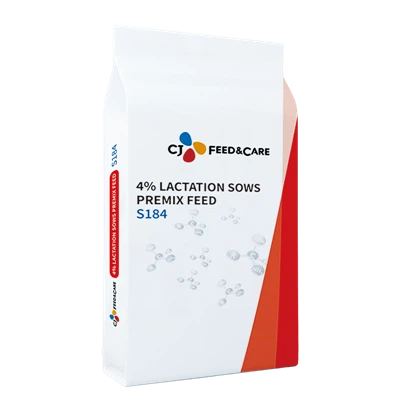
Premix feeds for lactating dairy cows are a combination of vitamins, minerals, and other additives. These feeds are usually added to the main diet to provide specific nutrients that may be lacking. The moisture content in premix feed should be extremely low, often less than 10%. This is because premix feeds are highly concentrated, and any excess moisture can cause the nutrients to clump together or degrade. Our Premix Feed for Lactation Dairy Cow is produced with strict quality control to ensure the right moisture content, so that it can effectively support the high - energy and nutrient requirements of lactating cows.
Measuring and Controlling Moisture Content
To ensure the proper moisture content in dairy cow feed, suppliers and farmers need to measure it regularly. There are several tools available for measuring moisture content, such as moisture meters. These devices can quickly and accurately measure the moisture level in different types of feed.


Controlling the moisture content starts from the harvesting and production process. For forages, proper drying techniques are essential. For concentrate feeds, manufacturers need to use appropriate drying and packaging methods. During storage, it is important to keep the feed in a dry environment. Storing feed in well - ventilated areas and using moisture - resistant containers can help prevent moisture from getting into the feed.
Conclusion
In conclusion, the moisture content in proper dairy cow feed is a crucial factor that affects the feed's quality, palatability, and storage stability. Different types of feed have different optimal moisture content ranges, and it is essential to measure and control this parameter throughout the feed production, storage, and feeding process.
As a dairy cow feed supplier, we are committed to providing high - quality feed with the appropriate moisture content. Our Concentrate Feed for Grower Cow, Heifer Grower Feed, and Premix Feed for Lactation Dairy Cow are all carefully formulated and produced to meet the strictest quality standards.
If you are a dairy farmer looking for high - quality feed for your cows, we invite you to contact us for a detailed discussion about your specific needs. We can provide you with the right feed solutions to ensure the health and productivity of your dairy herd.
References
- National Research Council (NRC). (2001). Nutrient Requirements of Dairy Cattle.
- Dairy Knowledge Library. Various articles on feed quality and management.
- Feed Industry Association Publications. Guidelines on feed production and quality control.