As a seasoned swine feed supplier, I've witnessed firsthand the significant impact that seasonal adjustments can have on the health and productivity of pigs. In this blog, I'll delve into the science behind adjusting swine feed according to the seasons and share practical insights to help you optimize your pigs' nutrition year-round.
Understanding Seasonal Nutritional Needs
The nutritional requirements of pigs vary throughout the year due to changes in environmental conditions, such as temperature, humidity, and daylight hours. These factors can influence a pig's metabolism, growth rate, and immune function, making it essential to tailor their diet accordingly.
Summer: Beating the Heat
During the summer months, high temperatures can cause pigs to reduce their feed intake, leading to decreased growth rates and potential health issues. To combat this, it's crucial to provide a diet that is highly digestible and energy-dense. Additionally, increasing the water content of the feed can help pigs stay hydrated and cool.
One effective strategy is to incorporate more fat into the diet, as it provides a concentrated source of energy with a lower heat increment compared to carbohydrates and proteins. However, it's important to choose high-quality fats that are stable and have a low oxidation potential to prevent rancidity.
Another consideration is the addition of electrolytes to the feed or water to replace those lost through sweating. This can help maintain the pig's acid-base balance and prevent dehydration.
Winter: Staying Warm
In contrast, winter brings colder temperatures, which require pigs to expend more energy to maintain their body heat. As a result, their energy requirements increase, and they may need a higher proportion of carbohydrates and fats in their diet.
Fiber can also play an important role in winter feeding, as it can help generate heat through fermentation in the gut. However, it's important to ensure that the fiber source is of high quality and easily digestible to avoid digestive problems.
In addition to adjusting the energy content of the feed, it's also important to provide adequate protein to support growth and maintenance. Amino acid requirements may also change during the winter, so it's essential to ensure that the diet is balanced and meets the specific needs of the pigs.
Spring and Fall: Transition Periods
Spring and fall are transitional seasons when the weather can be unpredictable. During these times, it's important to gradually adjust the feed to accommodate the changing nutritional needs of the pigs.
For example, as the temperature begins to rise in the spring, it may be necessary to reduce the energy content of the feed and increase the protein and fiber levels. Conversely, as the temperature drops in the fall, the energy content of the feed may need to be increased to help the pigs stay warm.
Seasonal Feed Adjustments for Different Pig Categories
The nutritional needs of pigs also vary depending on their age, weight, and reproductive status. Here are some specific considerations for different pig categories:
Piglets
Piglets have high energy and protein requirements to support their rapid growth and development. During the summer, it's important to provide a diet that is highly digestible and palatable to encourage feed intake. Milk Replacement for Piglets can be a valuable source of nutrition for piglets, especially in the first few weeks of life.
In the winter, piglets may need a higher energy diet to help them stay warm. It's also important to ensure that the piglets have access to clean, warm water at all times to prevent dehydration.
Growing Pigs
Growing pigs require a balanced diet that provides adequate energy, protein, vitamins, and minerals to support their growth and development. During the summer, it may be necessary to reduce the energy content of the feed and increase the protein and fiber levels to prevent obesity and heat stress.
In the winter, growing pigs may need a higher energy diet to help them maintain their body weight and growth rate. It's also important to ensure that the feed is easily digestible to prevent digestive problems.
Finishing Pigs
Finishing pigs are typically fed a high-energy diet to promote rapid weight gain and improve meat quality. During the summer, it's important to provide a diet that is highly digestible and palatable to encourage feed intake. Finisher Feeds for Pigs are specifically formulated to meet the nutritional needs of finishing pigs and can help optimize their growth and performance.
In the winter, finishing pigs may need a higher energy diet to help them maintain their body weight and growth rate. It's also important to ensure that the feed is balanced and provides adequate protein, vitamins, and minerals to support muscle development and meat quality.
Sows
Sows have different nutritional needs depending on their reproductive status. During gestation, sows require a diet that is high in energy, protein, and minerals to support the growth and development of the fetuses. In the summer, it's important to provide a diet that is highly digestible and palatable to encourage feed intake.
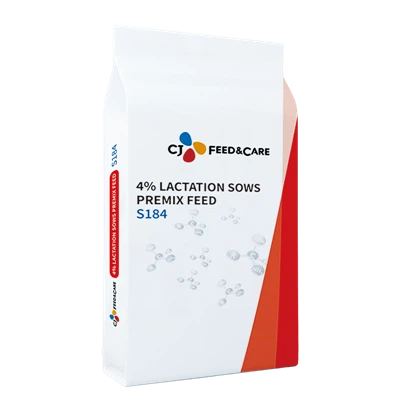
During lactation, sows have a high demand for energy and protein to produce milk for their piglets. Lactating Sow Premix Feed can be a valuable source of nutrition for lactating sows and can help improve their milk production and quality.
Practical Tips for Seasonal Feed Adjustments
Making seasonal feed adjustments can be a complex process, but with the right approach, it can have a significant impact on the health and productivity of your pigs. Here are some practical tips to help you make the most of seasonal feed adjustments:
Monitor Feed Intake and Body Condition
Regularly monitor the feed intake and body condition of your pigs to ensure that they are receiving the appropriate amount of nutrition. Adjust the feed accordingly based on their growth rate, body weight, and overall health.
Gradually Change the Feed
When making seasonal feed adjustments, it's important to do so gradually to avoid digestive problems. Start by making small changes to the feed and gradually increase the proportion of the new feed over a period of 7-10 days.
Provide Clean, Fresh Water
Water is essential for the health and well-being of pigs, especially during the summer months. Ensure that your pigs have access to clean, fresh water at all times, and consider providing additional water sources or increasing the water flow rate to encourage drinking.
Work with a Nutritionist
If you're unsure how to make seasonal feed adjustments or need help formulating a balanced diet for your pigs, consider working with a qualified nutritionist. A nutritionist can help you develop a customized feeding program based on your specific needs and goals.
Conclusion
Adjusting swine feed according to the seasons is an important aspect of pig production that can have a significant impact on the health and productivity of your pigs. By understanding the seasonal nutritional needs of your pigs and making appropriate feed adjustments, you can help ensure that they receive the optimal nutrition year-round.


If you're interested in learning more about our swine feed products or need help formulating a customized feeding program for your pigs, please don't hesitate to contact us. We're here to help you achieve your goals and provide the best possible nutrition for your pigs.
References
- National Research Council. (2012). Nutrient Requirements of Swine (11th ed.). Washington, DC: The National Academies Press.
- Spreeuwenberg, P., & Verstegen, M. W. A. (2007). Energy metabolism in pigs: Consequences for heat production and efficiency of energy use. Animal Feed Science and Technology, 133(1-2), 1-25.
- Patience, J. F., & Thacker, P. A. (2013). Swine Nutrition (3rd ed.). Ames, IA: Wiley-Blackwell.