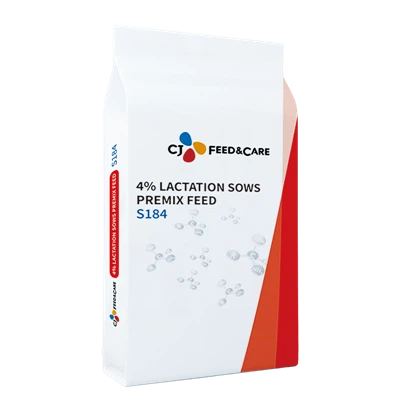
As a supplier of Premix Feed for Dry Cow, I've witnessed firsthand the significant impact our product has on the health and productivity of dairy cows. In this blog, I'll delve into how our premix feed influences calcium mobilization in dry cows, a crucial aspect of their well - being during this critical stage.
Understanding Dry Cows and Calcium Mobilization
Dry cows are those in the non - lactating period before calving. This phase is vital for the cow's recovery, udder development, and preparation for the next lactation cycle. Calcium is an essential mineral for cows, playing a key role in muscle contraction, nerve function, and milk production. During the dry period, proper calcium mobilization is crucial to prevent disorders such as milk fever, which can occur around calving due to a sudden drop in blood calcium levels.
The Role of Premix Feed in Calcium Mobilization
Our Premix Feed for Dry Cow is carefully formulated to provide the right balance of nutrients that support optimal calcium mobilization. It contains a blend of vitamins, minerals, and other essential ingredients that work together to enhance the cow's ability to absorb and utilize calcium effectively.
Vitamin D and Calcium Absorption
Vitamin D is a critical component in our premix feed. It plays a central role in calcium metabolism by promoting the absorption of calcium from the intestines and the reabsorption of calcium in the kidneys. When cows consume our premix feed rich in vitamin D, their bodies are better equipped to maintain adequate blood calcium levels. Research has shown that cows with sufficient vitamin D intake have a reduced risk of developing hypocalcemia (low blood calcium) around calving (Horst et al., 1997). By including the right amount of vitamin D in our premix feed, we ensure that dry cows can absorb calcium more efficiently, which is essential for the upcoming lactation period.
Phosphorus and Calcium Balance
Phosphorus also plays an important role in calcium mobilization. It works in conjunction with calcium to maintain the structural integrity of bones and teeth. In our premix feed, we carefully balance the levels of calcium and phosphorus. An optimal calcium - to - phosphorus ratio is necessary for proper calcium utilization. If the ratio is too high or too low, it can disrupt calcium metabolism. Our formulation ensures that dry cows receive the right proportion of these two minerals, which helps in maintaining healthy bone density and efficient calcium mobilization.
Other Trace Minerals
In addition to vitamin D and phosphorus, our premix feed contains other trace minerals such as magnesium and zinc. Magnesium is involved in the activation of vitamin D, which in turn affects calcium absorption. Zinc is essential for the synthesis of proteins involved in calcium transport. By including these trace minerals in our premix feed, we create a synergistic effect that enhances calcium mobilization in dry cows.
Impact on Cow Health and Productivity
The proper mobilization of calcium through our premix feed has several positive impacts on the health and productivity of dry cows.


Reduced Risk of Milk Fever
Milk fever is a common and serious disorder in dairy cows around calving. It is characterized by a sudden drop in blood calcium levels, which can lead to muscle weakness, paralysis, and even death if not treated promptly. By ensuring proper calcium mobilization through our premix feed, we significantly reduce the risk of milk fever in dry cows. This not only improves the well - being of the cows but also reduces the economic losses associated with treating sick animals.
Improved Udder Health
Calcium is also important for the proper functioning of the udder. Adequate calcium levels support the contraction of the smooth muscles in the udder, which is necessary for milk ejection. Cows that consume our premix feed and have optimal calcium mobilization are more likely to have healthy udders, with a reduced risk of mastitis and other udder - related problems.
Enhanced Reproductive Performance
Proper calcium mobilization can also have a positive impact on the reproductive performance of dry cows. Cows with normal blood calcium levels are more likely to have regular estrous cycles and better conception rates. This means that by using our premix feed to support calcium mobilization, dairy farmers can improve the overall reproductive efficiency of their herds.
Comparison with Other Feeds
When compared to other feeds on the market, our Premix Feed for Dry Cow stands out in terms of its ability to influence calcium mobilization. Some Complete Calf Feed and Complete Feed for Gestation Dairy Cow may not be specifically formulated to meet the unique calcium requirements of dry cows. Our premix feed is tailored to this specific stage of the cow's life, ensuring that it provides the necessary nutrients for optimal calcium mobilization.
Conclusion and Call to Action
In conclusion, our Premix Feed for Dry Cow has a significant influence on calcium mobilization in dry cows. Through its carefully formulated blend of vitamins, minerals, and other essential ingredients, it supports the absorption, utilization, and balance of calcium, which is crucial for the health and productivity of dairy cows. By using our premix feed, dairy farmers can reduce the risk of milk fever, improve udder health, and enhance reproductive performance in their herds.
If you're interested in learning more about our Premix Feed for Dry Cow and how it can benefit your dairy cows, I encourage you to reach out to us. We're always happy to discuss your specific needs and provide you with more information on our products. Let's work together to ensure the health and success of your dairy herd.
References
Horst, R. L., Jorgensen, R. A., & Baird, G. L. (1997). Vitamin D metabolism in the bovine: Its role in the etiology and prevention of milk fever. Journal of Dairy Science, 80(5), 1219 - 1228.