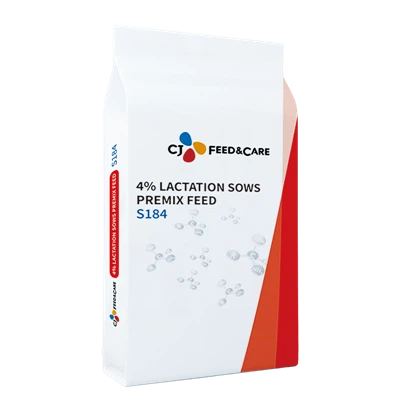
As a supplier of boar premix feed, I've witnessed firsthand the significant role our product plays in the pork industry. Boar meat quality is a complex trait influenced by various factors, and the feed they consume is one of the most crucial. In this blog, I'll delve into how our boar premix feed impacts the meat quality of boars.
Nutritional Composition and Its Impact on Meat Quality
Our boar premix feed is a carefully formulated blend of essential nutrients, including vitamins, minerals, amino acids, and additives. Each component serves a specific purpose in promoting the overall health and well - being of boars, which in turn affects the quality of their meat.
Protein and Amino Acids
Protein is the building block of muscle, and a sufficient supply of high - quality protein is essential for muscle development in boars. Our premix feed contains the right balance of essential amino acids, such as lysine, methionine, and threonine. Lysine, for example, is crucial for protein synthesis and growth. When boars consume a diet rich in lysine, they are more likely to develop lean muscle mass. Lean muscle is associated with better meat quality as it has a lower fat content, higher water - holding capacity, and better tenderness.
Research has shown that boars fed with diets optimized for amino acid levels have improved meat color, texture, and flavor. Amino acids also play a role in the metabolism of boars, influencing the deposition of intramuscular fat, which is important for the juiciness and marbling of the meat.
Vitamins and Minerals
Vitamins and minerals are essential for various physiological functions in boars. Vitamin E, for instance, is a powerful antioxidant that helps protect the muscle tissue from oxidative stress. Oxidative stress can lead to the deterioration of meat quality, causing discoloration, off - flavors, and reduced shelf - life. By including an adequate amount of vitamin E in our premix feed, we ensure that the boar's muscle cells are protected, resulting in meat that retains its color and flavor for a longer time.
Minerals like zinc, selenium, and iron also have important roles. Zinc is involved in enzyme function and immune system regulation. A healthy immune system means that boars are less likely to be stressed or sick, which can have a positive impact on meat quality. Selenium is another antioxidant mineral that works in conjunction with vitamin E to protect the muscle tissue. Iron is necessary for oxygen transport in the body, and sufficient iron levels in boars ensure that the meat has a rich red color, which is desirable to consumers.
Additives
Our boar premix feed may also contain additives such as probiotics, prebiotics, and growth - promoting substances. Probiotics are beneficial bacteria that can improve the gut health of boars. A healthy gut microbiome is associated with better nutrient absorption, which means that boars can make the most of the nutrients in their feed. This leads to improved growth performance and meat quality.
Prebiotics, on the other hand, serve as food for the probiotics, helping to maintain a healthy balance of bacteria in the gut. Growth - promoting substances, when used in accordance with regulations, can enhance the growth rate and feed efficiency of boars. However, it's important to note that we use only safe and approved additives to ensure the safety and quality of the meat.


Impact on Fat Deposition and Fatty Acid Profile
The type and amount of fat in boar meat are important factors in determining its quality. Our boar premix feed can influence both fat deposition and the fatty acid profile of the meat.
Fat Deposition
The energy content of the feed and its nutrient composition can affect how much fat is deposited in the boars. By formulating our premix feed with the right balance of carbohydrates, proteins, and fats, we can control the rate of fat deposition. A diet that is too high in energy can lead to excessive fat deposition, resulting in meat that is too fatty and less desirable to consumers. On the other hand, a diet that is too low in energy may lead to poor growth and development.
Our feed is designed to promote lean growth while allowing for a reasonable amount of intramuscular fat deposition. Intramuscular fat, or marbling, is highly valued in the meat industry as it contributes to the juiciness, tenderness, and flavor of the meat.
Fatty Acid Profile
The fatty acid profile of boar meat can also be influenced by the feed. Our premix feed can be formulated to include sources of healthy fats, such as omega - 3 fatty acids. Omega - 3 fatty acids have been associated with numerous health benefits for consumers, including reduced risk of heart disease. By including ingredients rich in omega - 3 fatty acids in our feed, we can increase the levels of these beneficial fatty acids in the boar's meat.
In addition, the ratio of saturated to unsaturated fatty acids in the meat can be adjusted through the feed. A lower ratio of saturated to unsaturated fatty acids is considered healthier, and our feed formulation aims to achieve this balance, making the boar meat more appealing to health - conscious consumers.
Influence on Meat Tenderness and Water - Holding Capacity
Meat tenderness and water - holding capacity are two important quality attributes that can be affected by our boar premix feed.
Tenderness
Tenderness is a key factor in consumer satisfaction with boar meat. It is influenced by several factors, including the structure of the muscle fibers and the connective tissue. Our feed can impact these factors through its effect on muscle development and growth.
A diet rich in essential nutrients promotes proper muscle development, resulting in more uniform muscle fibers. This can lead to more tender meat. Additionally, the antioxidants and other nutrients in our feed can help reduce the toughness of the meat by preventing the oxidation of myofibrillar proteins, which are responsible for the texture of the meat.
Water - Holding Capacity
Water - holding capacity refers to the ability of the meat to retain water during processing and storage. A high water - holding capacity is desirable as it results in juicier meat and reduces drip loss, which can affect the yield and quality of the meat.
The amino acids and minerals in our premix feed play a role in maintaining the integrity of the muscle cells and the extracellular matrix. This helps the meat to retain water, improving its water - holding capacity. For example, calcium is involved in the regulation of muscle contraction and relaxation, and proper calcium levels in the diet can contribute to better water - holding capacity.
Other Products in Our Swine Feed Range
In addition to our boar premix feed, we also offer a range of other high - quality swine feeds. Our 4% Piglet Premix Feed is specifically designed for the nutritional needs of piglets. It contains a balanced blend of nutrients to support their rapid growth and development, ensuring that they start their lives on the right foot.
Our Piglet Starter Concentrated Feed is another excellent option for young piglets. It provides a concentrated source of nutrients, making it easy to mix with other feed ingredients and meet the piglets' energy and nutrient requirements.
For pregnant sows, we have Gestation Feed for Pigs. This feed is formulated to support the health and well - being of the sow during pregnancy, ensuring a successful farrowing and healthy piglets.
Conclusion and Call to Action
In conclusion, our boar premix feed has a significant impact on the meat quality of boars. Through its carefully formulated nutritional composition, it can improve muscle development, fat deposition, meat tenderness, and water - holding capacity. The resulting meat is of higher quality, with better color, flavor, and texture, making it more appealing to consumers.
If you're in the pork industry and are looking for a reliable supplier of high - quality boar premix feed and other swine feeds, we'd love to hear from you. Contact us to discuss your specific needs and start a partnership that will enhance the quality of your boar meat and the success of your business.
References
- Ajuwon, K. M., & Spurlock, M. E. (2005). Nutritional regulation of meat quality. Journal of Animal Science, 83(13), 2939 - 2947.
- Wood, J. D., Enser, M., Fisher, A. V., Nute, G. R., Sheard, P. R., Richardson, R. I., ... & Whittington, F. M. (2004). Effects of fatty acids on meat quality: a review. Meat Science, 66(1), 21 - 32.
- Huff - Lonergan, E., & Lonergan, S. M. (2005). Mechanisms of water - holding capacity of meat: The role of postmortem biochemical and structural changes. Meat Science, 71(1), 194 - 204.