As a supplier of Gilts Feed, I've witnessed firsthand the profound impact that proper nutrition can have on the behavior and overall well - being of gilts. In this blog, I'll delve into how Gilts Feed influences a gilt's behavior, exploring the scientific aspects and practical implications.
The Nutritional Foundation of Gilt Behavior
A gilt's behavior is closely tied to its nutritional intake. Our Gilts Feed is formulated with a careful balance of essential nutrients, including proteins, carbohydrates, fats, vitamins, and minerals. These nutrients are not just building blocks for physical growth but also play a crucial role in neurological development and function, which in turn affects behavior.
Protein, for instance, is essential for the synthesis of neurotransmitters such as serotonin and dopamine. Serotonin is known to regulate mood, sleep, and appetite, while dopamine is involved in motivation and reward - seeking behavior. A diet rich in high - quality proteins ensures that gilts have an adequate supply of these neurotransmitters, promoting a calm and content demeanor. Our Gilts Feed contains premium protein sources that are easily digestible, allowing for optimal utilization by the gilts' bodies.
Carbohydrates are the primary source of energy for gilts. A consistent supply of energy is vital for maintaining normal activity levels. When gilts are well - fueled, they are more likely to engage in natural behaviors such as exploration, social interaction, and foraging. On the other hand, a lack of energy can lead to lethargy, reduced social engagement, and even aggression as gilts may compete more fiercely for limited resources. Our feed is formulated with complex carbohydrates that provide a steady release of energy throughout the day, helping gilts stay active and healthy.
Fats are another important component of our Gilts Feed. They are not only a concentrated source of energy but also play a role in the development and maintenance of the nervous system. Omega - 3 fatty acids, in particular, have been shown to have anti - inflammatory properties and can improve cognitive function. By including a balanced amount of healthy fats in our feed, we help support the gilt's neurological development, which can result in more stable and predictable behavior.
Impact on Social Behavior
Social behavior is a key aspect of a gilt's life. In a group setting, gilts interact with each other in various ways, such as establishing dominance hierarchies, engaging in play, and caring for their young. Our Gilts Feed can have a significant impact on these social interactions.
When gilts are well - nourished, they are less likely to exhibit aggressive behavior towards their pen mates. Adequate nutrition reduces competition for food resources, which is a common trigger for aggression. In addition, the balanced nutrient profile in our feed supports the development of a healthy immune system, reducing the likelihood of illness. Sick gilts are often more irritable and may be more prone to aggression. By keeping gilts healthy, our feed promotes a more harmonious social environment.
Furthermore, proper nutrition can enhance a gilt's ability to learn and adapt to social cues. A well - functioning nervous system, supported by the nutrients in our feed, allows gilts to better understand and respond to the behavior of their pen mates. This can lead to more efficient social interactions, such as cooperative foraging and mutual grooming.
Influence on Reproductive Behavior
Reproductive behavior is of utmost importance in gilts, as it directly affects the productivity of a pig farm. Our Gilts Feed is specifically formulated to support optimal reproductive development and behavior.
During puberty, gilts experience significant hormonal changes that are regulated by their nutritional status. A diet that is rich in essential nutrients, such as vitamins A, D, E, and minerals like calcium and phosphorus, is crucial for the proper development of the reproductive organs. These nutrients are involved in the synthesis and regulation of reproductive hormones, such as estrogen and progesterone.
Proper nutrition also affects a gilt's estrus behavior. A well - nourished gilt is more likely to exhibit clear signs of estrus, such as standing heat, which makes it easier for farmers to detect and breed them at the optimal time. In addition, gilts that are fed a balanced diet are more likely to have successful pregnancies and give birth to healthy piglets.
Foraging and Activity Levels
Foraging is a natural behavior for pigs, including gilts. It allows them to explore their environment, obtain additional nutrients, and engage in physical activity. Our Gilts Feed is designed to encourage natural foraging behavior.
The texture and palatability of our feed play an important role in stimulating foraging. We use high - quality ingredients that have an appealing smell and taste, which encourages gilts to search for and consume the feed. In addition, we can incorporate some fibrous ingredients into the feed, which mimics the natural diet of pigs and encourages them to root and forage.
By promoting foraging behavior, our feed also helps maintain appropriate activity levels in gilts. Regular physical activity is essential for maintaining muscle strength, joint health, and overall well - being. Gilts that are more active are less likely to develop health problems such as obesity and lameness.
Comparison with Other Feeds
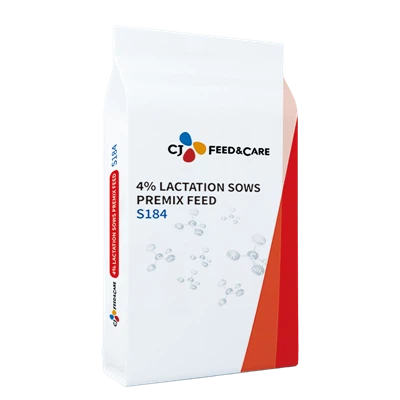
In the market, there are various types of feeds available for pigs, such as Finisher Feeds for Pigs, Lactating Sow Premix Feed, and 4% Piglet Premix Feed. While these feeds are designed for specific stages of a pig's life, our Gilts Feed is tailored to the unique nutritional and behavioral needs of gilts.
Finisher feeds are typically formulated to promote rapid weight gain in pigs that are close to market weight. They may have a higher energy density and a different nutrient balance compared to our Gilts Feed. Lactating sow premix feeds are focused on providing the extra nutrients needed by sows during lactation to support milk production. Piglet premix feeds are designed to meet the high - energy and nutrient requirements of young piglets for growth and development.
Our Gilts Feed, on the other hand, is formulated to support the overall development of gilts, including their physical growth, reproductive development, and behavioral well - being. It takes into account the specific nutritional needs of gilts during their growing and pre - breeding stages, ensuring that they are in the best possible condition for a successful reproductive life.
Conclusion
In conclusion, our Gilts Feed has a far - reaching influence on a gilt's behavior. By providing a balanced and nutritious diet, we support the neurological development, energy levels, social interactions, reproductive behavior, and natural foraging instincts of gilts. As a result, gilts that are fed our feed are more likely to be healthy, active, and productive.
If you're a pig farmer looking to improve the behavior and performance of your gilts, I encourage you to consider our Gilts Feed. We are committed to providing high - quality feed products that are backed by scientific research and years of industry experience. Contact us today to discuss your specific needs and start a partnership that will benefit your farm and your gilts.

References
- National Research Council. (2012). Nutrient Requirements of Swine. The National Academies Press.
- Pluske, J. R., & Williams, I. H. (2009). Nutrition and behavior of pigs. In Pigs: Biology, Husbandry, Health and Breeding (pp. 133 - 152). CABI.
- Spinka, M., Newberry, R. C., & Bekoff, M. (2001). Fetal origins of play: Evidence from piglets. Animal Behaviour, 62(6), 1121 - 1126.