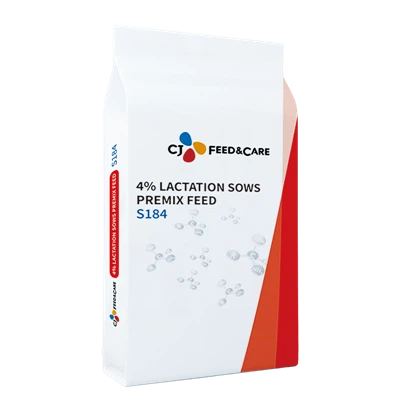
Hey there! As a swine feed supplier, I've seen firsthand how crucial it is to have an optimized feed formulation for pigs. It's not just about keeping them fed; it's about ensuring they grow healthy, strong, and profitable. In this blog, I'm gonna share some ways to optimize swine feed formulation that I've learned over the years.
Understanding Swine Nutritional Needs
First things first, we need to understand what pigs actually need. Pigs, like us, require a balanced diet with the right amounts of protein, carbohydrates, fats, vitamins, and minerals. The nutritional requirements vary depending on the pig's age, weight, and purpose (whether it's for breeding, growing, or lactating).
For piglets, they need a high - quality, easily digestible feed. Alternative Milk for Piglets can be a great option as it mimics the nutrients in sow's milk. Piglets have small digestive systems, so the feed should be rich in protein and energy to support their rapid growth.
Growing pigs need a diet that promotes muscle development and weight gain. Hog Grower Feed is formulated to meet these needs. It usually contains a good balance of protein, carbohydrates, and fats. Protein is especially important for muscle growth, while carbohydrates provide the energy for their daily activities.
Boars, on the other hand, have different nutritional requirements. They need a diet that supports their reproductive health. Boar Premix Feed is designed to provide the essential nutrients like vitamins, minerals, and amino acids that are important for boar fertility.
Using High - Quality Ingredients
The quality of the ingredients in the feed plays a huge role in its effectiveness. When formulating swine feed, we should use high - quality grains, such as corn and wheat. These grains are rich in carbohydrates, which are a major source of energy for pigs.
Protein sources are also crucial. Soybean meal is a popular choice as it's high in protein and has a good amino acid profile. Fish meal can also be added in small amounts to enhance the protein quality. However, we need to be careful with the source of these ingredients to ensure they're free from contaminants and have the right nutrient content.
Fats are another important component. Adding a small amount of vegetable oil to the feed can increase the energy density of the diet. It also helps with the absorption of fat - soluble vitamins.
Balancing Nutrients
It's not enough to just throw in a bunch of ingredients. We need to balance the nutrients carefully. For example, the ratio of calcium to phosphorus is very important for bone development in pigs. If the ratio is off, it can lead to skeletal problems.
We also need to consider the amino acid balance. Pigs require a certain amount of essential amino acids, such as lysine, methionine, and threonine. By ensuring the right balance of these amino acids, we can improve the efficiency of protein utilization in the pig's body.
Considering Feed Additives
Feed additives can be a great way to optimize the feed formulation. Probiotics are one type of additive that can improve gut health in pigs. They help maintain a healthy balance of bacteria in the gut, which can enhance digestion and nutrient absorption.
Enzymes can also be added to the feed. For example, phytase can break down phytate in grains, making phosphorus more available to the pigs. This not only improves the pig's health but also reduces the amount of phosphorus excreted in the manure, which is better for the environment.
Antioxidants are another useful additive. They help protect the feed from oxidation, which can reduce the quality of the feed over time. They also help protect the pig's cells from oxidative stress.
Adjusting for Environmental Conditions
The environment can have a big impact on a pig's nutritional needs. In hot weather, pigs tend to eat less. So, we may need to increase the energy density of the feed to ensure they get enough nutrients. We can do this by adding more fat or using high - energy ingredients.
In cold weather, pigs need more energy to maintain their body temperature. So, we may need to increase the amount of carbohydrates and fats in the feed.
Cost - Benefit Analysis
As a feed supplier, I know that cost is always a concern for farmers. When optimizing the feed formulation, we need to do a cost - benefit analysis. We want to provide a feed that meets the pigs' nutritional needs while also being cost - effective.

Sometimes, using a slightly more expensive ingredient can lead to better growth performance and health in pigs, which can ultimately result in higher profits for the farmer. On the other hand, we also need to look for ways to reduce costs without sacrificing the quality of the feed. For example, we can source ingredients from different suppliers to get the best price.
Quality Control
Quality control is essential throughout the feed formulation process. We need to test the ingredients regularly to ensure they meet the required standards. This includes testing for nutrient content, moisture levels, and the presence of contaminants.
Once the feed is formulated, we also need to test it to make sure it has the right nutrient balance. We can use laboratory analysis or on - farm trials to evaluate the quality of the feed.
Working with Farmers
I believe that working closely with farmers is key to optimizing swine feed formulation. Farmers know their pigs best, and they can provide valuable feedback on the performance of the feed.
We can work with farmers to develop customized feed formulations based on their specific needs. For example, if a farmer has a problem with piglet diarrhea, we can adjust the feed formulation to include more ingredients that support gut health.
Conclusion
Optimizing swine feed formulation is a complex but rewarding task. By understanding the nutritional needs of pigs, using high - quality ingredients, balancing nutrients, considering feed additives, adjusting for environmental conditions, doing a cost - benefit analysis, ensuring quality control, and working with farmers, we can provide a feed that helps pigs grow healthy and strong.
If you're a farmer looking for high - quality swine feed or want to discuss custom feed formulations, I'd love to hear from you. Let's work together to optimize your pigs' diet and improve your farm's profitability.
References
- National Research Council. (2012). Nutrient Requirements of Swine. 11th Edition.
- Spreeuwenberg, P., & Verstegen, M. W. A. (2007). Feed formulation strategies for pigs. Wageningen Academic Publishers.
- de Lange, C. F. M., & Nyachoti, C. M. (2017). Swine Nutrition. Academic Press.