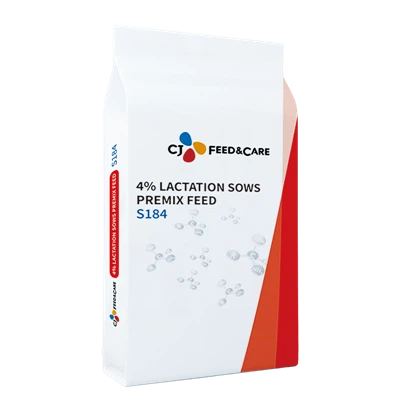
Hey there, fellow pig farmers! I'm a supplier of Gestation Feed for Pigs, and I've been in the business for quite a long time. Over the years, I've learned a thing or two about what goes into a high - quality gestation feed for pigs, especially when it comes to amino acid requirements. That's what I'm gonna talk about today.
Why Amino Acids Matter in Gestation Feed
First off, let's understand why amino acids are so important during a sow's gestation period. Amino acids are the building blocks of proteins, and proteins are essential for pretty much every biological process in a pig's body. During gestation, the sow is not only maintaining her own body functions but also supporting the growth and development of the fetuses.
Think about it. The fetuses are growing rapidly, and they need a constant supply of amino acids to form their muscles, organs, and other tissues. If the sow doesn't get enough of the right amino acids in her diet, it can lead to all sorts of problems. The piglets might be born smaller, weaker, or with a higher risk of health issues. And that's not good for anyone - not the piglets, not the sow, and definitely not the farmer.
Essential Amino Acids for Pregnant Sows
There are several essential amino acids that pregnant sows need in their diet. These are amino acids that the sow's body can't produce on its own, so they have to come from the feed.
Lysine
Lysine is often considered the most important amino acid in pig gestation feed. It plays a crucial role in protein synthesis, which is key for the growth and development of the fetuses. Research has shown that sows with a lysine - deficient diet may give birth to piglets with lower birth weights and reduced survival rates.
A good quality Gestation Feed for Pigs should have an adequate amount of lysine. The exact requirement can vary depending on factors like the sow's age, body condition, and the number of fetuses she's carrying. But generally, a lysine level of around 0.7 - 0.9% in the diet is recommended for pregnant sows.


Methionine and Cysteine
Methionine and cysteine are two other important amino acids. Methionine is involved in many metabolic processes, including the synthesis of other amino acids and the production of antioxidants. Cysteine can be synthesized from methionine in the body, and together, they play a role in maintaining the sow's immune system and the health of the fetuses.
The combined requirement of methionine and cysteine in gestation feed is usually around 0.3 - 0.4%. Ensuring that the feed has the right balance of these two amino acids is crucial for the overall well - being of the sow and her piglets.
Threonine
Threonine is important for the development of the sow's mammary glands and for milk production. During gestation, proper threonine intake helps prepare the sow for lactation. A threonine level of about 0.5 - 0.6% in the diet is typically recommended for pregnant sows.
Tryptophan
Tryptophan is involved in the regulation of the sow's mood and behavior, as well as in the synthesis of important neurotransmitters like serotonin. It also plays a role in the growth and development of the fetuses. The recommended tryptophan level in gestation feed is around 0.15 - 0.2%.
Factors Affecting Amino Acid Requirements
It's not just a one - size - fits - all situation when it comes to amino acid requirements in gestation feed. There are several factors that can affect how much of each amino acid a sow needs.
Sow's Age and Parity
Younger sows, especially those in their first pregnancy, may have different amino acid requirements compared to older sows. First - parity sows are still growing themselves while carrying piglets, so they may need more amino acids for both their own growth and the development of the fetuses.
Body Condition
A sow's body condition at the start of gestation also matters. If a sow is underweight, she may need more amino acids to gain the necessary body mass and support the pregnancy. On the other hand, an overweight sow may need a more carefully balanced diet to avoid excessive weight gain, which can also cause problems during pregnancy and farrowing.
Number of Fetuses
The more piglets a sow is carrying, the higher her amino acid requirements will be. A sow with a large litter will need more amino acids to support the growth and development of all the fetuses. This means that farmers need to adjust the feed accordingly based on the estimated litter size.
How Our Gestation Feed Meets Amino Acid Requirements
As a supplier of Gestation Feed for Pigs, we take all these factors into account when formulating our feed. Our team of experts has done extensive research to ensure that our feed provides the right balance of essential amino acids for pregnant sows.
We use high - quality ingredients that are rich in amino acids. For example, we include soybean meal, which is a great source of lysine, methionine, and other essential amino acids. We also use fish meal in some of our formulations, as it is a highly digestible source of protein and contains a good balance of amino acids.
Our feed is also formulated to be highly palatable, so sows will actually eat it. If a sow doesn't like the taste of the feed, she may not consume enough of it, and that can lead to amino acid deficiencies. We've spent a lot of time perfecting the taste and texture of our feed to make sure that sows find it appealing.
Other Considerations in Gestation Feed
Amino acids are just one part of the equation when it comes to gestation feed. There are other nutrients that are also important for the health of the sow and the piglets.
Energy
Pregnant sows need a sufficient amount of energy to support their own body functions and the growth of the fetuses. We include a good source of energy in our feed, such as corn or wheat. The energy content of the feed needs to be balanced with the amino acid content to ensure that the sow gets the right amount of both.
Vitamins and Minerals
Vitamins and minerals are essential for many biological processes in the sow's body. For example, calcium and phosphorus are important for the development of the piglets' bones. We add a comprehensive vitamin and mineral premix to our Gestation Feed for Pigs to make sure that the sows get all the nutrients they need.
Related Feeds for Different Stages of Pig Growth
It's important to note that different stages of a pig's life require different types of feed. While our Gestation Feed for Pigs is specifically formulated for pregnant sows, we also offer other feeds for different stages.
For growing hogs, we have Hog Grower Feed. This feed is designed to provide the right balance of nutrients for hogs that are in the growth phase. It helps them gain weight efficiently and develop strong muscles.
And for piglets, we have Piglet Starter Concentrated Feed. This feed is highly nutritious and easy for piglets to digest, which is crucial during their early days when their digestive systems are still developing.
Conclusion and Call to Action
In conclusion, amino acid requirements in gestation feed for pigs are crucial for the health and well - being of both the sow and the piglets. By providing the right balance of essential amino acids, along with other important nutrients, we can help ensure that sows have healthy pregnancies and give birth to strong, healthy piglets.
If you're a pig farmer looking for high - quality gestation feed that meets all the amino acid requirements, look no further. Our Gestation Feed for Pigs is the perfect choice. We're always happy to talk to farmers about their specific needs and how our feed can help. So, if you're interested in learning more or want to start a purchase, don't hesitate to reach out. Let's work together to improve the productivity and profitability of your pig farm!
References
- National Research Council. (2012). Nutrient Requirements of Swine. The National Academies Press.
- Pluske, J. R., et al. (2018). Amino acid requirements of the gestating and lactating sow. Animal Feed Science and Technology, 240, 76 - 90.