Broilers and laying hens differ significantly in their breeding goals, physiological stages, and end uses, resulting in systematically different nutritional requirements.
In short:
Laying hens: The goal is "continuous production of high-quality eggs," with nutritional design focused on egg production performance, eggshell quality, and durability.
Broilers: The goal is "maximizing growth rate and feed conversion ratio in the shortest possible time," with nutritional design focused on rapid weight gain and muscle deposition.
The differences between them are detailed below in several aspects
Ⅰ. Fundamental differences
|
Characteristics |
Layers |
Broilers |
|
Breeding Goals |
High egg production, eggshell quality, feed conversion ratio (egg production/feed consumption); |
Growth rate, breast meat yield, feed conversion ratio (weight gain/feed consumption) |
|
Physiological Stages |
Long lifespan (usually over 72 weeks), with distinct stages (brooding, rearing, laying) |
Extremely short lifespan (broilers are ready for market in about 35-42 days), almost exclusively a rapid growth period |
|
Production Performance |
Egg production rate (%), egg weight, eggshell strength; |
Daily weight gain (g/day), feed conversion ratio (FCR) |
|
Physical Requirements |
Maintaining a strong and durable reproductive system (ovaries, oviducts), strong bones (for calcium reserves) |
strong muscle synthesis capacity (especially breast and leg muscles), supporting rapidly growing internal organs |
Ⅱ. Specific Differences in Nutritional Requirements
1. Energy and Protein
Laying Hens :
Distinctly phased. High protein is needed during the brooding period to promote organ development; energy needs to be controlled during the growing period to prevent premature sexual maturity and obesity; extremely high protein and energy are needed during the laying period to support daily egg formation.
Peak Laying Period: Crude protein requirements are typically 16%-18%, with particular emphasis on the balance of methionine and lysine, the most critical amino acids for egg synthesis.
Energy levels are relatively stable to ensure continuous egg production.
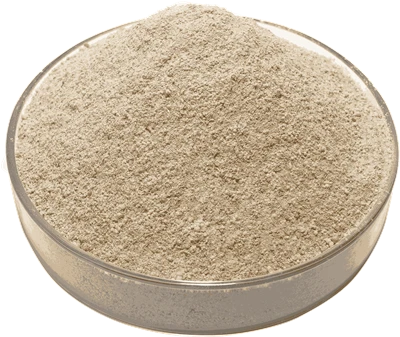
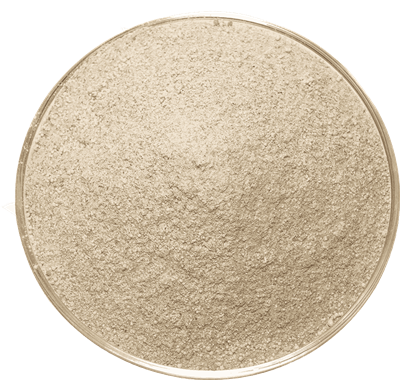
Recommend layer feed

This product complies with feed hygiene standards ISO9001 Quality CERTIFICATE,ISO22000 Food safety CERTIFICATE

This product complies with feed hygiene standards ISO9001 Quality CERTIFICATE,ISO22000 Food safety CERTIFICATE
Broilers :
High energy and high protein throughout the entire process. The goal is to maximize growth rate.
Protein: Extremely high protein levels (21%-23%) are needed in the early stages (0-21 days) to initiate growth; this decreases slightly later, but the total amount remains high. Particular emphasis is placed on lysine and sulfur-containing amino acids to promote muscle deposition.
Energy: High-energy formulas (with added fats) are typically used to reduce the feed conversion ratio, encouraging chickens to expend energy for weight gain rather than activity.
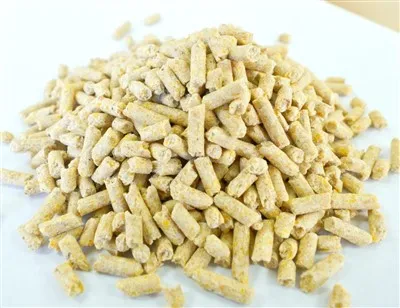
Recommend broiler feed

This product complies with feed hygiene standards ISO9001 Quality CERTIFICATE,ISO22000 Food safety CERTIFICATE

This product complies with feed hygiene standards ISO9001 Quality CERTIFICATE,ISO22000 Food safety CERTIFICATE
2. Calcium and Phosphorus - This is one of the most crucial differences.
Laying Hens :
Laying hens have extremely high calcium requirements (approximately 3.5%-4.0%), 3-4 times higher than non-laying hens. This is because each eggshell requires about 2 grams of calcium.
They need a continuous and sufficient source of calcium (usually using large-particle limestone, which is slowly released into the intestines at night to support eggshell formation in the early morning).
The calcium-to-phosphorus ratio is critical (typically around 12:1).
Broilers :
They only need to meet the requirements for bone growth and maintenance. Their calcium and phosphorus requirements are much lower than laying hens (calcium approximately 0.9%-1.0%, phosphorus approximately 0.45%-0.50%).
The calcium-to-phosphorus ratio is relatively balanced (typically around 2:1).
Feeding laying hen feed to broilers can lead to calcium poisoning, kidney damage, and growth inhibition, which is a serious mistake.
3. Other Minerals and Vitamins
Laying hens: High requirement for vitamin D3 (promotes calcium absorption); high requirement for manganese and zinc (affects eggshell quality and strength).
Broilers: Due to rapid growth and vigorous metabolism, they have higher requirements for all B vitamins to support energy and protein metabolism. They also have higher requirements for selenium and vitamin E to reduce oxidative stress and muscle diseases (such as ascites) caused by rapid growth.
4. Feed Forms and Feeding Methods
Laying hens: Primarily use staged feeding (at least three stages), adjusting nutrition according to the laying curve. Pelleted or powdered feed is commonly used to control feed intake.
Broilers: Primarily use two- or three-stage feeding, but all are high-nutrient-concentration "fortified" feeds. Almost entirely use pelleted feed to increase feed intake, reduce waste, and promote growth.
Ⅲ. Important advice for poultry farmers
Strictly prohibit mixed feeding: Broiler and layer hen feeds must never be interchanged or mixed, otherwise it will lead to serious production problems and even flock mortality.
Specialized feed: Appropriate specialized complete feeds must be selected based on the breed, age, and production purpose of the chickens.
Stage adjustment: Especially for layer hens, feed should be changed according to different stages such as brooding, rearing, pre-laying, and post-peak laying.