Livestock farming is a vital component of Iran's agricultural economy, accounting for approximately 30-40% of total agricultural output. It provides the country with substantial amounts of meat, dairy products, eggs, wool, and other animal products, playing a crucial role in ensuring food security, rural employment, and livelihoods.
Due to the predominantly arid and semi-arid climate of Iran and limited natural pasture resources, its livestock industry has developed a unique hybrid structure, combining integrated farming and modern livestock farms.
Key Characteristics
Dual-Track Production System:
Traditional/Nomadic and Semi-Nomadic Livestock Farming: A long-standing practice, primarily raising sheep and goats. Nomadic tribes (such as the Bakhtiari and Kashke) migrate seasonally between mountains and grasslands to fully utilize scattered natural pastures. This model is adapted to harsh ecological environments but has lower production efficiency and commercialization rates.
Modern Intensive Farming:
Mainly concentrated around cities and in agriculturally developed areas. Represented by large-scale dairy farms, broiler farms, and layer farms, it employs modern management, breeding, and feeding techniques, resulting in high productivity. It is the main force in meeting the demand for dairy products and poultry meat and eggs in large and medium-sized cities in Iran.
Major Livestock Species
Sheep:
The most important livestock, ranking among the largest in number. Primarily used for meat, wool, and milk production. Iran has a large consumption of wool (especially carpet wool) and mutton.
Goats:
Highly adaptable, capable of being raised in barren mountainous areas, providing meat, milk, and fur.
Poultry (Chickens):
The fastest-growing and most modernized sector. Poultry and eggs are the largest sources of animal protein per capita in Iran, achieving near self-sufficiency. Large-scale integrated poultry enterprises are the mainstream.
Dairy Cows:
Modern dairy farms are the main source of liquid milk and dairy products to meet growing demand. Holstein cattle are the main breed.
Camels:
Used for transportation, meat production, and milk production in desert regions.
Apiculture:
Iran is a major honey producer in the Middle East, possessing abundant nectar-producing plants.
Feed Supply
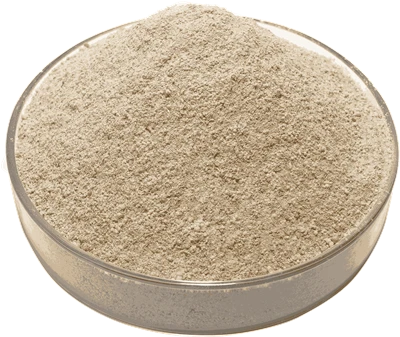
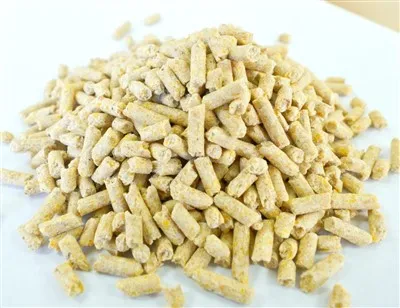
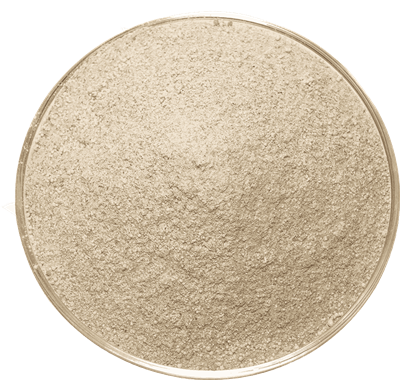
Based on the characteristics of Iran's environment and agriculture, we recommend that Iranian farmers choose complete compound feed.
The characteristics of complete compound feed are:
1. Comprehensive nutrition, scientifically formulated. It meets the energy, protein, vitamins, trace elements, amino acids, etc., required for different stages of animal growth.
2. Convenient to use. Poultry complete feed can be fed directly. For ruminants, complete feed should be mixed evenly with dry matter in a specific ratio. It is important to note that ruminants require professional and scientific guidance from the feed factory for better results.
3. Pelleted or crushed feed, avoiding waste and picky eating.
Recommed CJ complete feed

This product complies with feed hygiene standards ISO9001 Quality CERTIFICATE,ISO22000 Food safety CERTIFICATE

This product complies with feed hygiene standards ISO9001 Quality CERTIFICATE,ISO22000 Food safety CERTIFICATE

This product complies with feed hygiene standards ISO9001 Quality CERTIFICATE,ISO22000 Food safety CERTIFICATE

This product complies with feed hygiene standards ISO9001 Quality CERTIFICATE,ISO22000 Food safety CERTIFICATE
In summary,Iran's livestock industry primarily consists of sheep, goats, cattle, and poultry, with feed demand heavily reliant on natural pastures and imported concentrated feed. Water scarcity, pasture degradation, and international sanctions are the main factors constraining feed supply. Future development requires enhancing sustainability through promoting water-saving irrigation, increasing feed self-sufficiency, and optimizing the livestock structure.