Rumen acidosis is a common metabolic disease in beef cattle during the high-concentrate fattening stage, especially in intensive farming with high grain diets (such as high proportions of corn and wheat). Its essence is that the rumen pH value is continuously lower than 5.5, leading to an imbalance of microbial communities and systemic metabolic disorders. The following is a systematic analysis and solution to this problem:
Causes of disease
Dietary factors
Too high a proportion of concentrate (>60%), rapid fermentation of starch to produce acid (especially soluble starch such as wheat and barley).
Insufficient crude fiber (NDF <25%), reduced chewing and rumination, insufficient secretion of buffered saliva (bicarbonate).
Management factors
Complete feed increased too quickly (not gradually transitioned).
Irregular feeding (such as suddenly eating a large amount of fine feed on an empty stomach).
Other causes:
Feed was too finely ground (increased starch rumen degradation rate).
Heat stress (reduced dry matter intake, selective eating of fine feed).
Clinical symptoms
Acute acidosis:
- Mental depression, loss of appetite, cessation of rumen motility, diarrhea (foul smell, yellow-gray loose stools).
- Severe cases may lead to dehydration, laminitis, shock and even death (high mortality rate when pH < 5.0).
Subacute acidosis (SARA):
- Intermittent decrease in feed intake, reduced milk fat content (dairy cows), increased hoof diseases, and messy coat color.
Nutritional regulation and preventive measures
Diet formulation optimization
Control of the ratio of fine feed to roughage
The fine feed of fattening cattle should not exceed 60% of the dry matter of the diet (the recommended proportion of roughage is ≥40%).
Use high-quality fiber sources (such as alfalfa hay, oat hay) to stimulate rumination.
Selection of starch sources
Slowly degradable starch is preferred (such as steam-flaked corn > crushed corn).
Add some non-starch energy (such as molasses, rumen-free fat).
Buffers and additives
Baking soda (1-1.5% DM): neutralize rumen acid.
Magnesium oxide (0.3-0.5% DM): synergistic buffering.
Yeast culture: stabilize rumen microbial flora.
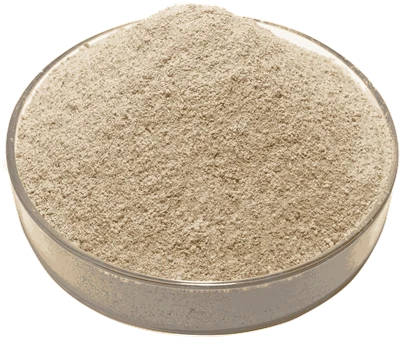
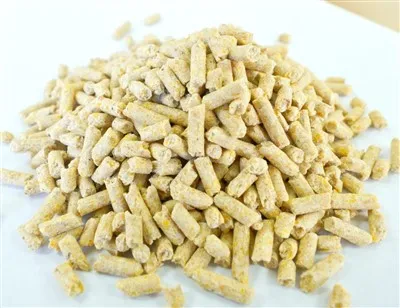
Recommend using CJ Acidosis Buster
CJ Acidosis Buster Product Efficacy and Usage
Product Efficacy:
Complex buffering ingredients: long-term and efficient regulation of rumen acidity, reducing the risk of acidosis
Crystalline minerals: adsorb endotoxins and histamine, prevent acidosis
High-quality trace elements: improve hoof health, reduce hoof disease elimination rate
Functional vitamins: enhance antioxidant capacity, remove free radicals, and enhance immunity
Compound beneficial bacteria: maintain gastrointestinal health and enhance the body's disease resistance
Usage: 20kg of this product is mixed with 1000kg of concentrated feed supplement, mix well before use, and be sure to use 50kg of corn flour to pre-dilute before use to ensure even mixing.
Feeding management
Gradual transition: When introducing high-concentrate feed, increase the proportion of concentrate feed by 5% every 3-5 days.
Feeding in batches: Feed at least twice a day to avoid excessive feeding at one time.
Mix TMR evenly: Prevent picky eating (cut roughage into 3-5cm).
Monitor feeding behavior: Be alert if there is leftover feed or the feeding speed decreases.
Other measures
Avoid feed that is too fine: corn crushing particle size ≥ 2mm.
Prevent heat stress: ensure ventilation and provide clean drinking water (acidotic cattle need to supplement electrolytes).
Treatment plan
1. Acute cases:
Stop feeding concentrate immediately and administer rumen buffer (50-100g baking soda + 5L warm water).
Intravenous injection of 5% sodium bicarbonate (500-1000ml, adjusted according to blood pH).
Supplement probiotics (such as lactic acid bacteria) to rebuild rumen microorganisms.
2. Chronic adjustment:
Add live bacterial preparations (such as Aspergillus oryzae) or cellulase to the diet.
Long-term supplementation of B vitamins (especially B1, to relieve neurological symptoms after acidosis).
Monitoring and early warning indicators
1. Rumen fluid pH:
Detected 4-6 hours after feeding, pH>5.8 is safe.
2. Fecal score:
Ideal is 3 points (formed soft stool), watery stool or undigested grains indicate acidosis.
3. Blood routine:
Blood HCO₃⁻<20 mmol/L or lactic acid>2.5 mmol/L indicates metabolic acidosis.
Rumen fluid pH
Detected 4-6 hours after feeding, pH>5.8 is safe.
Fecal score
Ideal is 3 points (formed soft stool), watery stool or undigested grains indicate acidosis.
Blood routine
Blood HCO₃⁻<20 mmol/L or lactic acid>2.5 mmol/L indicates metabolic acidosis.
Economic impact and long-term management
Losses: Acute acidosis can cause a 10-20% mortality rate, and subacute acidosis can cause a 15-30% decrease in weight gain.
Solutions:
- Regularly train breeders to identify early symptoms.
- Use precision feeding systems to control the amount of complete feed. Also add rumen buffers to the diet.