Nutritional management of breeding cows directly affects conception rate, pregnancy quality, calf survival rate and postpartum recovery. The following are nutritional regulation strategies for different stages (empty period, pregnancy period and lactation period):
Nutritional regulation during the empty period (non-pregnant period)
Goal: restore body condition and promote estrus and ovulation
Ideal body condition score (BCS): 5-6 points (9-point system)
Nutritional requirements
Energy (TDN): 50%-55% (maintenance needs)
Crude protein (CP): 8%-10%
Calcium (Ca): 0.25%-0.3%
Phosphorus (P): 0.15%-0.2%
Diet composition
Roughage mainly (80%-90%): high-quality hay (such as alfalfa), silage corn, ammoniated straw
Concentrated feed supplement (10%-20%): corn, bran, a small amount of soybean meal (≤5%)
Minerals/vitamins/trace elements: breeding cow premix (containing vitamin A, vitamin E, copper, zinc, selenium, etc.)
Key management
Body condition adjustment: supplement energy (such as 1-2kg concentrate/day) when BCS < 4.5
Estrous stimulation: supplement vitamin A (5000 IU/kg DM) and vitamin E (50 IU/kg DM)
Nutritional regulation during pregnancy (early, middle and late)
Early pregnancy (1-6 months)
Goal: Maintain the body condition of the cow and ensure embryo implantation
Energy (TDN): 55%-58%
Crude protein (CP): 9%-10%
Diet: Mainly roughage (70%-80%), with a small amount of complete feed (0.5-1kg/day)
Mid-pregnancy (7-8 months)
Goal: Rapid fetal development, proper fattening of the cow
Energy (TDN): 60%-65%
Crude protein (CP): 10%-12%
Diet: Increase fine feed to 1.5-2kg/day, supplement rumen protein (such as heat-treated soybean meal)
Late pregnancy (9 months-delivery)
Goal: 80% of the fetus's weight increases during this stage to prevent prenatal metabolic diseases
Energy (TDN): 65%-70%
Crude protein (CP): 12%-14%
Calcium (Ca): 0.4%-0.5% (avoid too high to prevent postpartum hypocalcemia)
Diet:
Fine feed 2.5-3kg/day (60% corn + 20% soybean meal + 20% premix)
Add anionic salts (such as ammonium chloride) to prevent milk fever
Control magnesium (0.2%-0.3%) and vitamin D (2000 IU/kg)
Nutritional regulation during lactation (0-3 months after delivery)
Goal: Increase milk production, maintain cow body condition, and promote estrus
Nutritional requirements
Energy (TDN): 70%-75% (50% higher than maintenance)
Crude protein (CP): 14%-16% (needs to be higher than rumen protein)
Calcium (Ca): 0.6%-0.8%
Phosphorus (P): 0.4%-0.5%
Diet composition
Increase the proportion of fine feed (40%-50%): 65% corn + 25% soybean meal + 3% fat powder
High-quality roughage: alfalfa hay, whole corn silage
Add buffer to prevent acidosis. CJ Acidosis Buster is recommended
Key management
Within 7 days after calving: Feed easily digestible feed (such as bran soup + high-quality hay)
Peak lactation period (30-60 days after calving):
4-5kg of complete feed per day, divided into 3 feedings
Supplement rumen fat (such as calcium palmitate) to increase milk fat content
Nutritional regulation for special issues
|
Problems |
reasons |
Solution |
|
No estrus after delivery |
Negative energy balance, poor body condition |
Increase energy (add molasses or fat powder) |
|
Retained placenta |
Selenium/vitamin E deficiency |
Inject selenium + vitamin E 30 days before delivery |
|
Weak calves |
Insufficient protein in late pregnancy |
Increase rumen protein (such as fish meal) |
|
Ketone |
Insufficient energy after delivery |
Supplement propylene glycol (300ml/day, for 3 consecutive days) |
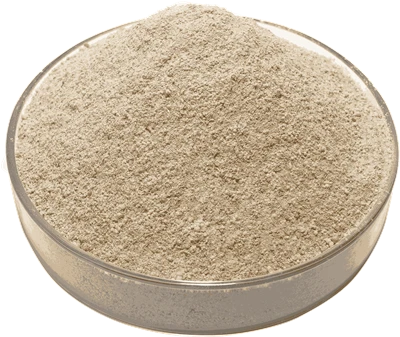
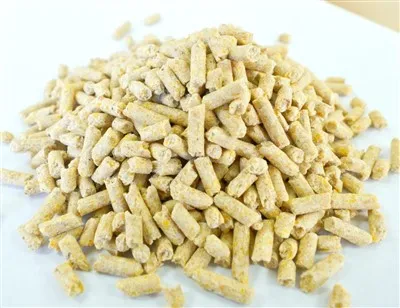
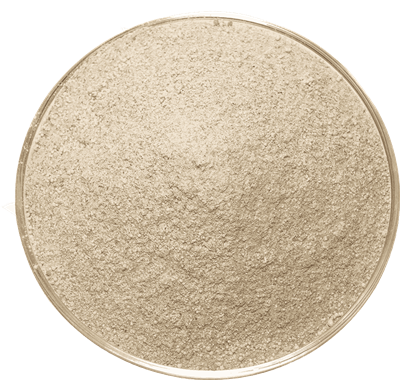
Recommended formula and usage of CJ beef cattle breeding cow compoundpremix feed C695:
Usage: Mix evenly with other feed ingredients in the following proportions before use
|
Feeding stage |
corn |
Soybean meal |
DDGS |
bran |
CJ premix |
|
breeder |
40 |
23 |
21 |
11 |
5 |
Note: It is recommended that the premix rate for 1.5% of the total mixed ration (dry matter 88%).
It is recommended that the fine feed rate for 30% of the total mixed ration (dry matter 88%).