The nutritional requirements of fattening sheep are aimed at rapid weight gain, improving feed conversion rate and improving meat quality. The daily diet needs to be scientifically formulated according to the fattening stage (early, middle and late stages) and fattening method (grazing + supplementary feeding, full house feeding).
The following are the key points and practical suggestions for the nutritional requirements of fattening sheep at each stage:

1.Fattening stage division and nutritional goals
|
stage |
Early fattening period (adaptation period, 1-15 days) |
Middle fattening period (growth period, 16-45 days) |
Late fattening period (fattening period, 46 days to market) |
|
Weight range |
20~30 kg(lamb) or mutton |
30~45 kg |
45~60 kg(market) |
|
Weight gain target |
150~200 g/day |
200~300 g/day |
250~350 g/day((fat deposition first) |
|
Nutrition focus |
Adapt to feed, promote rumen development |
Maximize muscle growth |
Improve meat quality |
2. Key nutritional requirements
Energy
Requirement: Fattening sheep need a high-energy diet, especially in the later stage, the proportion of starch and fat needs to be increased.
Metabolic energy (ME): 2.6~2.8 Mcal/kg DM in the early stage, 2.8~3.2 Mcal/kg DM in the later stage.
Main sources: corn (high starch), barley, bran, plant oil (small addition).
01
Protein
Requirement: Higher protein is required in the early stage to promote muscle growth, and it can be appropriately reduced in the later stage.
Crude protein (CP): 14%~16% in the early stage, 12%~14% in the middle stage, and 10%~12% in the later stage.
High-quality protein sources: soybean meal, rapeseed meal, cottonseed meal (detoxified), urea (limited, only for adult sheep).
02
Fiber
Requirement: Maintain rumen health and prevent acidosis.
Neutral detergent fiber (NDF): ≥30% (roughage accounts for no less than 20%).
Source: high-quality hay (such as alfalfa), silage corn, straw (ammoniation treatment).
03
Minerals and vitamins
Calcium (Ca): 0.5%~0.8% (balanced with phosphorus).
Phosphorus (P): 0.3%~0.5%.
Salt (NaCl): 0.5%~1.0% (free licking).
Trace elements: zinc (Zn), copper (Cu), selenium (Se), cobalt (Co) (supplemented through premix).
Vitamins: A, D, E (to prevent stress and bone problems).
04
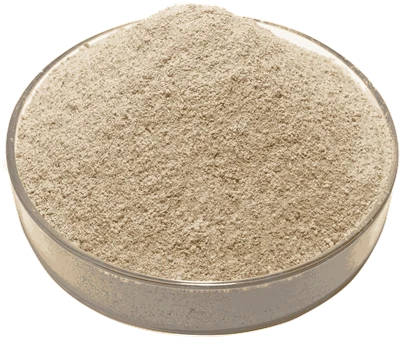
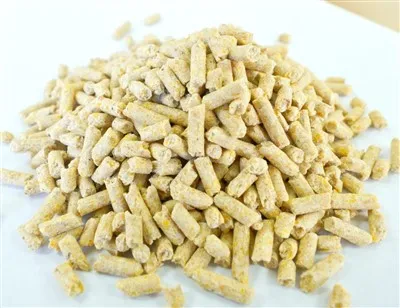
3. Recommended formula of CJ sheep fattening premix
Usage: Mix evenly with other feed ingredients in the following proportions before use
|
Feeding stage |
Corn% |
Bran% |
Soybean meal % |
Rapeseed cake % |
Cottonseed cake % |
CJ premix % |
|
Early fattening |
45 |
15 |
16 |
10 |
10 |
4 |
|
Late fattening |
65 |
7 |
7 |
7 |
10 |
4 |
By accurately meeting the nutritional needs of each stage, the average daily weight gain of fattening sheep can be increased by 20%~30%, shortening the time to market and significantly improving economic benefits. CJ recommends: flexibly adjust the formula based on actual feed resources (such as local agricultural and sideline products) combined with CJ sheep premix. For details, please consult CJ technicians.
Common Problems and Countermeasures in Sheep Fattening
Problem 1: Slow weight gain
→ Check if protein and energy are insufficient, or if there are parasites (deworm regularly).
Problem 2: Diarrhea or acidosis
→ Reduce the rate of concentrate increment, rumen acidosis in fattening sheep (e.g., add CJ DWJ 701D).
Problem 3: Meat is too lean
→ Increase energy concentration in the later stage (e.g., add 2%~3% plant oil).