Tang County, Hebei Province is the largest mutton distribution center in China and the largest mutton breeding base in North China. Tang County mainly adopts the model of "purchasing lambs from outside and fattening them in a centralized manner". This has achieved a stable supply of mutton all year round. In 2023, Tang County will produce 8 million mutton sheep annually with sales of 16 billion yuan.
Key points of Tang County sheep fattening technology
Fattening technology combining premixes with local raw materials.
Feeding in stages. High protein intake in the early stage. Strengthen energy intake in the later stage.
Regular vaccination, deworming and stomach strengthening. Regular shearing.
Breeding ewes Nutritional requirements and management points
The nutritional requirements of breeding ewes vary according to their physiological stages (such as empty period, pregnancy period, lactation period). Reasonable nutritional management is crucial to the reproductive performance of ewes, lamb survival rate and production efficiency. The following are the key points of nutritional requirements at each stage:
Goal: Maintain the body condition of ewes and reserve nutrition for mating and pregnancy.
Nutrient requirements:
Energy: Maintain the needs (maintain 1.5~1.8 times of metabolic energy), avoid being too fat or too thin.
Protein: Crude protein (CP) requirement is about 8%~10% (dry matter basis).
Minerals and vitamins:
Calcium (Ca): 0.2%~0.3%; Phosphorus (P): 0.15%~0.25%.
Supplement vitamins A, D, and E to promote follicle development.
Feeding suggestions: Mainly high-quality roughage (such as green hay and straw), and can be appropriately supplemented with professional sheep feed (0.2~0.3 kg/day).
Early pregnancy (first 3 months)
Features: The fetus grows slowly, and the nutritional requirements are slightly higher than the maintenance requirements.
Nutrient requirements:
Energy: Maintenance requirements +10%~15%.
Protein: CP 10%~11%.
Minerals: Calcium-phosphorus ratio (2:1), pay attention to the supplementation of selenium and iodine.
Feeding suggestions: Mainly roughage, professional feed supplement 0.3~0.5 kg/day.
Late pregnancy (last 2 months)
Features: 70% of the fetus's weight is formed during this period, and the nutritional requirements increase significantly.
Nutrient requirements:
Energy: Maintenance requirements +30%~50% (avoid ketosis caused by insufficient energy).
Protein: CP 12%~14%, high-quality protein (such as soybean meal) is required.
Minerals:
Calcium (0.5%~0.8%), phosphorus (0.3%~0.4%), to prevent postpartum paralysis.
Supplement vitamin D (to promote calcium absorption) and vitamin E (antioxidant).
Feeding recommendations:
Gradually increase the amount of feed to 0.5~1.0 kg/day, and choose high-quality forage that is easily digestible.
Avoid moldy feed to prevent miscarriage.
Early lactation (6-8 weeks after delivery)
Characteristics: Lactation peak, highest nutritional requirements.
Nutrient requirements:
Energy: Maintenance requirement +2-3 times (especially for ewes with multiple lambs).
Protein: CP 14%-16%, lysine and methionine must be sufficient.
Minerals:
Calcium (0.7%-1.0%), phosphorus (0.4%-0.6%).
Salt (0.5%-1.0%) and trace elements (zinc, copper, cobalt).
Vitamins: Vitamin A, D, E and B vitamins.
Feeding recommendations:
Specialized feed 1.0-1.5 kg/day, juicy feed (such as silage) free to eat.
Ensure adequate drinking water (water requirement increases during lactation).
Late lactation (decreased lactation)
Nutrient requirements: gradually reduce to maintenance level to prepare for the next breeding.
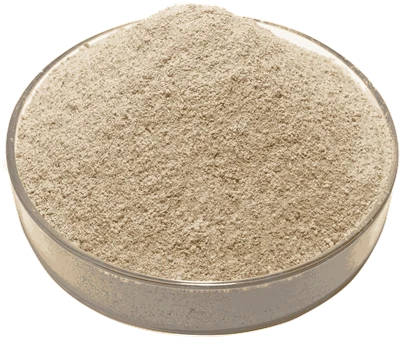
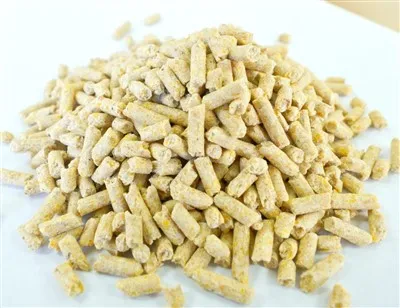
Recommended formula and usage of CJ ewe premix:
Usage: Mix evenly with other feed ingredients in the following proportions
|
Corn% |
Soybean meal% |
DDGS% |
Wheat bran% |
CJ premix% |
|
56 |
16 |
15 |
8 |
5 |