Precision Nutrition: Unveiling the Scientific Relationship Between Beef Cattle Weight Gain and Feeding
In the beef cattle industry, the core goal is to achieve efficient and economical weight gain while ensuring cattle health. The efficiency and cost of weight gain largely depend on scientifically formulated feed. Understanding the relationship between these two factors is key to improving farming efficiency.
The Essence of Weight Gain: Energy and Protein Conversion
Beef cattle weight gain is essentially a process of converting nutrients in feed into muscle (protein), fat, and bone. The two most important nutrients are:
Energy
Main sources: Carbohydrates (such as starch from corn, wheat, and barley) and fat.
Purpose: Maintains basic life activities (such as breathing, heartbeat, and maintaining body temperature) and provides the energy required for protein synthesis and fat deposition. If energy is insufficient, cattle will primarily consume ingested protein for energy, significantly reducing weight gain efficiency and increasing costs.
Protein
Main sources: Plant proteins such as soybean meal, cottonseed meal, and rapeseed meal, as well as animal proteins such as fish meal.
Purpose: It is the most fundamental substance for building muscle tissue. After digestion, protein is broken down into amino acids, which are then absorbed and resynthesized into the protein needed by the body for muscle growth and tissue repair.
Golden Rules of Feed Formulation: Concentrate-to-Roughage Ratio and Nutritional Phase
A single feed cannot meet the nutritional needs of beef cattle at different growth stages, so a scientifically formulated ration is necessary.
Feed Type
Concentrates (concentrated feed): High conversion rate, promotes rapid weight gain, but excessive intake can cause indigestion or acidosis.
Roughage (forage, straw): Provides fiber to maintain rumen health, but has a low energy density. A balanced concentrate-to-roughage ratio (e.g., 50:50 during the finishing phase) can optimize weight gain costs.
Feeding Strategy
Phase-based feeding: Gradually increase the concentrate ratio based on cattle weight (e.g., under 300 kg, 300-500 kg, over 500 kg) to avoid waste and adapt digestion.
Timed and Quantified: Regular feeding improves feed utilization. Ad libitum feeding allows for faster weight gain but is more expensive.
Other Key Factors Affecting Weight Gain Efficiency
In addition to nutrition itself, the following factors are also crucial:
Feed Digestibility: No matter how high the nutritional value of a feed is, it's useless if cattle can't digest and absorb it effectively.
01. Appropriate physical (such as chopping or pulverizing) or chemical (such as silage) treatment of roughage can significantly improve its digestibility.
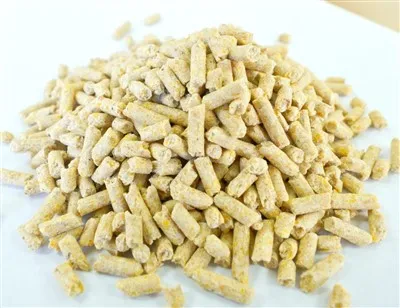
02. Use of Additives: Enzymes and probiotics can improve feed digestibility. Additives such as monensin can inhibit methane production, reduce energy loss, and indirectly promote weight gain.CJ Feed and Care produces beef cattle concentrates and premixes that contain CJ enzymes and CJ amino acids. Through scientific proportioning, this improves the utilization rate of local raw materials and reduces farmers' breeding costs.for example :


03. Drinking Water: Water is essential for life and all metabolic activities. Water deficiency can severely affect feed intake and feed digestion and absorption, directly leading to stagnant weight gain. Adequate and clean drinking water is essential.
04. Feeding and Management: A comfortable environment, ample space for movement, and standardized veterinary procedures can reduce stress responses in cattle, allowing them to devote more energy to growth rather than fighting disease and discomfort.
By implementing scientific and precise nutritional strategies, farmers can not only significantly increase the daily weight gain and slaughter weight of beef cattle, but also effectively reduce the feed-to-meat ratio (the amount of feed consumed per kilogram of weight gain), thereby maximizing economic benefits.