The nutritional requirements of laying hens during their egg-laying period (generally from the start of laying to culling) are very specific. The core objectives are to:
- maintain high egg production
- ensure egg quality
- prolong peak egg production
- protect flock health
Therefore, the selection of feed during this period should adhere to the following principles:
Core Nutritional Requirements and Feed Selection
Laying hen feed is commonly referred to as "peak laying feed" or "laying hen feed." Its key nutrients must meet the following requirements:
Energy (Main Sources: Corn, Wheat, Oils and Fats)
Purpose:
Provides the basic energy needed to maintain basal metabolism and egg production. Insufficient energy can lead to decreased egg production, smaller egg weights, and even egg cessation.
Choices:
Corn is the primary energy source, and a small amount of vegetable oil (such as soybean oil) is sometimes added to boost energy levels.
Protein and Amino Acids (Main Sources: Soybean Meal, Cottonseed Meal, Rapeseed Meal, Fish Meal, Amino Acid Supplements)
Purpose:
Protein is the primary component of egg liquid (egg white and yolk). Methionine and lysine are the first and second limiting amino acids, making them crucial and directly impacting egg weight and production.
Selection:
Soybean meal is the highest-quality plant protein source. When selecting feed, consider not only the crude protein content (typically between 15.5% and 17.5%) but also the amino acid balance. High-quality feeds may contain additional synthetic amino acids (such as DL-methionine) to meet requirements.
Calcium (Main Sources: Stone Dust, Shell Dust)
Function:
Calcium carbonate is the main component of eggshells. Laying hens have an extremely high calcium requirement, 3-4 times higher than during the non-laying season. Calcium deficiency can lead to poor eggshell quality (soft-shelled eggs, sand-crusted eggs), increased egg breakage rates, and even fatigue in caged laying hens.
Selection:
During the laying period, feed must contain a high, easily absorbed calcium source. Stone Dust (calcium carbonate) and shell dust are preferred, as they slowly release calcium, meeting the critical eggshell formation period at night. The calcium content in feed is typically between 3.3% and 3.8%.
Phosphorus (Main Sources: Dicalcium Phosphate, Bone Meal(China bans bone meal in feed)
Purpose:
Works synergistically with calcium to promote bone health and eggshell quality. Note the available phosphorus content.
Selection:
Available phosphorus content in feed is generally around 0.35%-0.4%. A calcium-to-phosphorus ratio of 10:1 to 12:1 is ideal.
Vitamins and Trace Elements (Premix)
Benefits:
- Vitamin D3: Promotes calcium and phosphorus absorption, crucial!
- Vitamin A: Maintains mucosal health and boosts immunity.
- Vitamin E: Antioxidant, improves egg fertility and hatchability.
- B Vitamins: Participate in energy metabolism and impact egg production.
- Trace elements, such as zinc, manganese, iron, copper, and selenium, are components of various enzymes and hormones, impacting overall health and production performance.
Selection:
This supplement is usually added by purchasing a premix specifically for laying hens. It is strongly recommended to use premixes from reputable manufacturers rather than randomly mixing them. Although the amount used is small, the effect is significant, and mixing the ingredients yourself is prone to errors.
Feed Form Selection
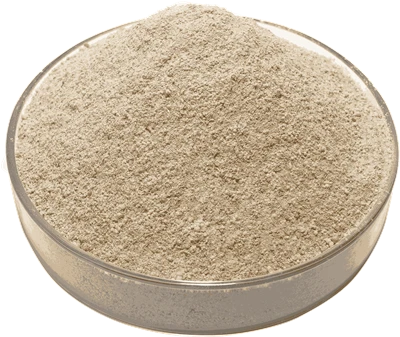
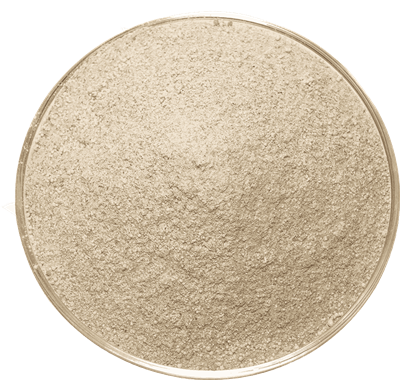
Powder
Advantages:
Simple production, low cost, evenly distributed feed, less picky eating.
Disadvantages:
Slightly poor palatability, high waste, and dust generation.
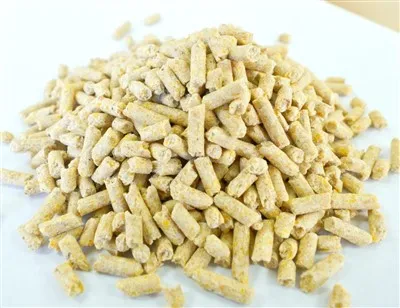
Pellets
Advantages:
Good palatability, low waste, rapid feed consumption, and helps ensure energy intake during hot weather.
Disadvantages:
High cost, and some vitamins may be lost during processing due to heat. Chickens tend to eat too quickly, which can exacerbate heat stress.
Crumble
This feed is a cross between powder and pellets, combining some of the advantages of both. It is commonly used for chicks and pullets, but is less commonly used during the laying period.
Recommendation: For laying hens, both mash and pellet feeds are acceptable. Mash feed is more common, but if the flock is not taking enough feed (such as during summer heat stress), pellet feed is an effective way to increase energy intake.
How to Choose and Use Feed?
Buying Complete Formula Feed
For most small and medium-sized farms, the most worry-free, safe, and efficient approach is to purchase complete formula feed specifically for laying hens directly from reputable large-scale feed companies. These feeds are scientifically formulated and rigorously produced, providing balanced nutrition and ease of use.
CJ feed and care is an international brand in the animal feed industry with rich experience in research animal nutrition, and professional knowledge for productions. Welcome to inquiry based on your inquiry .
Self-Blending (Requires Expertise)
For large-scale farms with nutritional knowledge and the ability to test raw materials, you can consider self-blending. Purchase concentrates or premixes from professional manufacturers and mix them evenly with local raw materials.
Key Points: You must purchase a high-quality laying premix as a foundation.
Formula: Follow the premix manufacturer's recommended formula, combining key ingredients such as corn, soybean meal, and rock dust.
Note: Ingredients must be of consistent quality and mixed evenly, especially the premix and rock dust, to prevent inhomogeneous mixing that could lead to poisoning or nutritional deficiencies.
Key Points in Feeding Management
Phase Feeding:
Nutrient requirements vary across the egg-laying period, categorized as early egg-laying (start of laying - 5% egg production), peak egg-laying (egg production >85%), and late egg-laying (egg production <85%). It's best to adjust feed formulas based on the stage of production. In the late egg-laying period, energy and protein levels should be appropriately controlled, and calcium should be increased to control egg weight, maintain eggshell quality, and prevent over-fatten chickens.
Ad libitum feeding
Ensure feed is always available in the trough, allowing chickens to feed freely to meet high production needs.
Clean Drinking Water
Ensure adequate, clean drinking water; water shortages can significantly impact egg production.
Transition Feed
When switching from pullet feed to laying hen feed, a 5-7 day transition period is required. Gradually increase the proportion of the new feed to avoid stress caused by a sudden feed change.

During the laying period, the most recommended option is to purchase a well-known brand of "Layer laying Complete Feed" from a reputable manufacturer. This ensures a comprehensive and balanced nutrition profile, eliminating the hassle and risk of mixing your own feed mix. Ultimately, your feed costs will be recouped through efficient production.
If you are mixing your own feed, be sure to work with professional technicians, select high-quality laying premixes, and strictly follow the recommended formula.