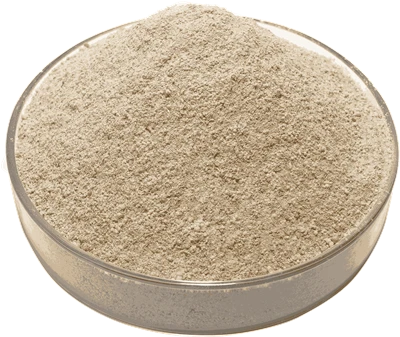
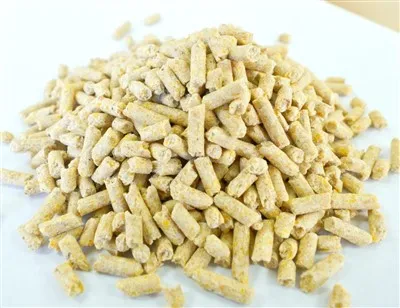
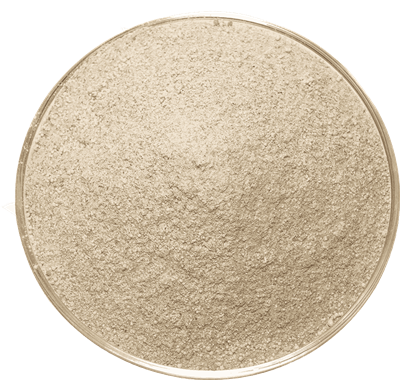
Animal feed refers to all substances used to provide nutrients necessary for the growth, health, and productivity of various farmed animals (including livestock, poultry, aquaculture animals, breeding animals, and laboratory animals) to promote their growth, maintain their health, and enhance their production (e.g., meat, eggs, milk, wool, and labor).
It is not only fundamental to animal survival but also a core element of modern animal husbandry and industrialized agriculture, directly impacting animal health and welfare, product quality and safety, and the efficiency and sustainability of the entire food supply chain.
From a professional perspective, animal feed is far more than simply "food",There are two basic types: fodder and forage;
It is a precise science grounded in animal nutrition. Its core lies in the precise formulation of various nutrients tailored to the specific nutritional needs of different species, growth stages, and production objectives. These nutrients primarily include:
Main Ingredients of Animal Feed
Feed ingredients are highly complex and designed to provide a variety of nutrients required by animals, primarily including:
Energy Sources
Provides the basic energy needed for animal activity, growth, and maintaining body temperature.
Grains: Corn, wheat, barley, sorghum, etc. (primarily carbohydrates).
Oils: Soybean oil, fish oil, animal fats, etc. (provide high concentrations of energy).
Protein Sources
Essential for building muscle, organs, hair, eggs, milk, etc.
Plant Proteins: Soybean meal (a byproduct of soybean oil extraction), rapeseed meal, cottonseed meal, etc.
Animal Proteins: Fish meal, meat and bone meal, feather meal, etc.
Others: Some single-cell proteins (such as yeast).
Minerals and Vitamins: Although required in small quantities, they are crucial for bone development, metabolism, the immune system, and overall health. They are typically added to feed in the form of premixes.
Minerals: Calcium, phosphorus, sodium, potassium, iron, zinc, selenium, etc.
Vitamins: Vitamins A, D, E, K, and B vitamins.
Additives: Substances added in small or trace amounts for specific purposes.
Nutritional additives: Amino acids (such as lysine and methionine), vitamins, etc.
Non-nutritional additives
Growth promoters: Such as certain antibiotics (restricted or banned in many countries), probiotics, and enzymes, used to improve feed utilization and growth rate.
Antioxidants: Prevent fats and vitamins in feed from oxidizing and deteriorating.
Mold inhibitors: Prevent mold growth during storage.
Flavoring agents: Improve the palatability of feed, making it more palatable to animals.
Main Types of Animal Feed
Based on form and processing methods, feed can be primarily categorized as follows:
Complete feed: Scientifically formulated and meticulously processed, it contains all the nutrients animals need and can be fed directly. It is the mainstream feed in modern animal husbandry.
Concentrate feed: A proportional blend of protein feed, minerals, vitamins, and additive premixes. It must be mixed with energy feed (such as corn or bran) before use.
Premix feed: A uniform blend of multiple trace components (vitamins, minerals, medications, etc.) with a carrier or diluent. It is the core component of complete and concentrate feed production and carries the highest technical requirements.
Roughage: Roughage, such as hay, silage, and straw, is high in fiber and primarily used by ruminants.
The modern feed industry is a highly specialized field, integrating multiple disciplines, including animal physiology, biochemistry, microbiology, processing technology, and quality and safety control. Its development goals, while pursuing economic benefits, increasingly emphasize precision nutrition (reducing waste and environmental pollution), antibiotic-free farming (ensuring animal-derived food safety), and sustainable resource utilization (developing novel protein sources such as insect protein and single-cell protein). These efforts aim to achieve a win-win situation for environmental friendliness, food safety, and animal welfare.

As such, animal feed is a critical link between the crop and animal husbandry industries, a strategic industry that ensures a stable global supply of high-quality animal protein and promotes sustainable agricultural development.