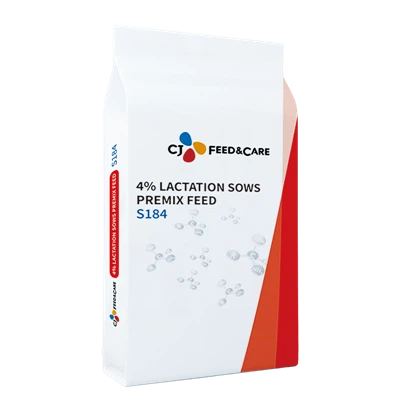
Hey there! As a supplier of premix feed for dry cows, I often get asked about the storage temperature requirements for this crucial product. Let's dive right into it and explore what you need to know to keep your premix feed in top - notch condition.
First off, why is storage temperature so important for premix feed for dry cows? Well, the quality of the feed directly impacts the health and productivity of the cows. Premix feed contains a variety of vitamins, minerals, and other additives that are sensitive to temperature. If the storage temperature is not right, these nutrients can degrade, which means the cows won't get the full benefits from the feed.
The ideal storage temperature for premix feed for dry cows generally ranges between 10°C and 25°C (50°F - 77°F). This temperature range helps to maintain the stability of the various components in the feed. At temperatures within this range, the vitamins and minerals are less likely to break down, and the feed retains its nutritional value for a longer period.
When the temperature is too high, say above 25°C, several bad things can happen. High temperatures can accelerate the oxidation process of fats in the premix feed. Oxidized fats not only taste bad but also lose their nutritional value. Moreover, high heat can cause the vitamins to degrade more rapidly. For example, vitamin C is very sensitive to heat, and at elevated temperatures, its content in the feed can drop significantly. This can lead to vitamin deficiencies in the dry cows, which may result in reduced immune function and lower milk production once they calve.
On the other hand, if the temperature is too low, below 10°C, the feed can become more brittle. This might cause the particles in the premix to break apart, leading to an uneven distribution of nutrients. Also, in very cold conditions, some of the liquid components in the feed may freeze, which can damage the structure of the feed and again affect its nutritional quality.
Humidity also plays a big role when it comes to storage temperature. High humidity combined with high temperature can create a breeding ground for mold and bacteria. These microorganisms can contaminate the feed, making it unsafe for the cows to consume. So, it's not just about the temperature; you also need to control the humidity in the storage area. Aim for a relative humidity of around 50 - 60%.
Now, let's talk about how to achieve and maintain the right storage temperature. If you're storing the premix feed in a warehouse, you can use air - conditioning systems to keep the temperature within the desired range. In colder climates, you might need to use heaters to prevent the temperature from dropping too low. Make sure to install temperature and humidity sensors in the storage area so that you can monitor the conditions constantly.


Another important aspect is the location of the storage. Try to keep the feed away from direct sunlight and sources of heat, like boilers or heaters. Also, don't stack the feed too close to the walls, as this can prevent proper air circulation and lead to uneven temperature distribution.
As a supplier, I always recommend my customers to follow these storage temperature guidelines. We've put a lot of effort into formulating our premix feed for dry cows to provide the best nutrition for the animals. But all that hard work can go to waste if the feed is not stored properly.
By the way, if you're also interested in other types of dairy cow feed, we have some great options. Check out our Premix For Dairy Cows, which is suitable for cows at different stages of lactation. And for grower cows, our Concentrate Feed for Grower Cow is a great choice. If you have calves, don't miss our Complete Calf Feed.
If you're thinking about purchasing our premix feed for dry cows or any of our other products, I'd love to have a chat with you. We can discuss your specific needs, the quantity you require, and the best way to get the feed to your farm. Good storage practices are just one part of the equation; using high - quality feed is equally important for the well - being of your cows. So, don't hesitate to reach out and start a conversation about how we can work together to keep your cows healthy and productive.
References
- National Research Council. (2001). Nutrient Requirements of Dairy Cattle. Washington, DC: The National Academies Press.
- Feed Research Institute, Chinese Academy of Agricultural Sciences. (2019). Handbook of Feed Science and Technology. Beijing: China Agriculture Press.