Hey there! As a supplier of Hog Grower Feed, I often get asked about what goes into making this essential product for hog farmers. In this blog, I'm gonna break down the sources of ingredients in Hog Grower Feed, so you can have a better understanding of what you're feeding your hogs.
Grains: The Foundation of Hog Grower Feed
Grains are the primary source of energy in Hog Grower Feed. Corn is one of the most commonly used grains. It's rich in carbohydrates, which provide the energy hogs need for growth, movement, and maintaining their body temperature. Corn is widely available and relatively inexpensive, making it a cost - effective choice for feed manufacturers.


Another important grain is soybeans. Soybeans are not only a good source of energy but also an excellent source of protein. Protein is crucial for muscle development in hogs. When processed into soybean meal, it becomes a staple ingredient in Hog Grower Feed. The protein in soybean meal contains all the essential amino acids that hogs need for proper growth and development.
Wheat is also sometimes used in Hog Grower Feed. It has a similar energy content to corn and can be a good alternative when corn prices are high. Wheat can also improve the palatability of the feed, making it more appealing to hogs.
Protein Sources Beyond Grains
In addition to soybean meal, there are other protein sources used in Hog Grower Feed. Fish meal is a high - quality protein source that is rich in essential amino acids, vitamins, and minerals. It has a high biological value, which means that hogs can easily digest and utilize the nutrients in fish meal. This makes it especially beneficial for young or growing hogs.
Meat and bone meal is another protein source. It's made from the rendered parts of animals, such as bones, meat trimmings, and organs. Meat and bone meal provides a good balance of protein, fat, and minerals. However, its use is regulated in some regions due to concerns about disease transmission, so it's important to source it from reliable suppliers.
Vitamins and Minerals
Hogs need a variety of vitamins and minerals for optimal health and growth. Vitamin A is important for vision, immune function, and reproductive health. Vitamin D helps with calcium absorption, which is essential for strong bones and teeth. Vitamin E is an antioxidant that protects cells from damage.
Minerals like calcium and phosphorus are crucial for bone development. Calcium is also important for muscle function and blood clotting. Phosphorus is involved in energy metabolism and cell membrane structure. Other minerals such as zinc, copper, and selenium are required in smaller amounts but are still essential for various physiological functions in hogs.
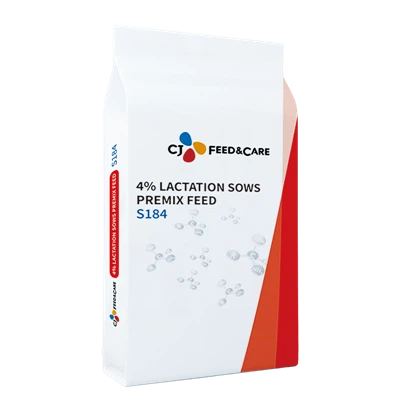
These vitamins and minerals are often added to Hog Grower Feed in the form of premixes. A premix is a concentrated mixture of vitamins, minerals, and sometimes other additives that is blended into the feed to ensure that hogs receive the correct amount of each nutrient. You can check out our Lactating Sow Premix Feed to see an example of how premixes are formulated for specific stages of a hog's life.
Additives
Additives are substances added to Hog Grower Feed to improve its quality, safety, or performance. Antibiotics are sometimes used as growth promoters in hog feed. They help to control the growth of harmful bacteria in the hog's gut, which can improve feed efficiency and growth rate. However, the use of antibiotics in feed is a controversial issue, and there are strict regulations in place to ensure their proper use.
Probiotics are another type of additive. These are live microorganisms that can improve the health of the hog's gut microbiome. A healthy gut microbiome can enhance digestion, nutrient absorption, and immune function. Enzymes are also added to some Hog Grower Feeds. They help to break down complex nutrients in the feed, making them more accessible to the hogs.
By - Products
Many by - products from the food and agricultural industries are used in Hog Grower Feed. For example, distillers' grains are a by - product of the ethanol production process. They are rich in protein, fiber, and fat, and can be a valuable ingredient in hog feed. Brewer's grains are another by - product that can be used. They are a good source of fiber and can help to promote gut health in hogs.
Quality Control
As a Hog Grower Feed supplier, we take quality control very seriously. We source our ingredients from reliable suppliers and conduct regular tests to ensure that the ingredients meet our quality standards. We also follow strict manufacturing processes to ensure that the feed is properly mixed and balanced.
We understand that the health and growth of your hogs depend on the quality of the feed they consume. That's why we're committed to providing high - quality Hog Grower Feed that is formulated to meet the specific nutritional needs of your hogs. If you're interested in learning more about our Hog Grower Feed, or if you have any questions about the ingredients or our products, don't hesitate to reach out.
Tailoring Feed for Different Stages
It's important to note that the nutritional requirements of hogs change as they grow. For example, gilts (young female hogs) have different nutritional needs compared to growing hogs. Our Gilts Feed is specifically formulated to meet the unique needs of gilts, providing the right balance of nutrients for proper development and future reproductive performance.
Conclusion
So, there you have it! The sources of ingredients in Hog Grower Feed are diverse, ranging from grains and protein sources to vitamins, minerals, additives, and by - products. Each ingredient plays a crucial role in providing the necessary nutrients for the health and growth of hogs.
If you're a hog farmer looking for high - quality feed for your hogs, we'd love to have a chat with you. Whether you have questions about the ingredients, the formulation, or how our feed can benefit your hogs, we're here to help. Contact us today to start a conversation about your hog feed needs.
References
- National Research Council. (2012). Nutrient Requirements of Swine. The National Academies Press.
- Smith, J. (2018). Feed Ingredients for Swine. Journal of Animal Science, 96(3), 1234 - 1245.
- Johnson, A. (2019). The Role of Additives in Swine Feed. Swine Health and Production, 27(4), 156 - 162.