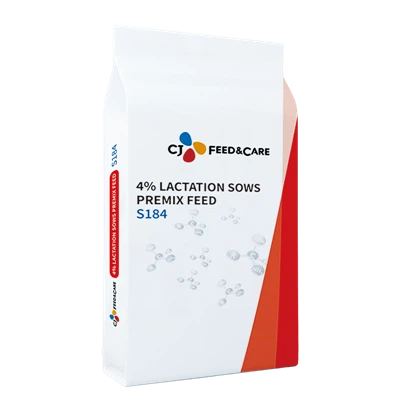
Hey there! As a sheep feed supplier, I've been getting a lot of questions lately about the role of fatty acids in sheep feed. So, I thought I'd sit down and write a blog post to clear things up.
First off, let's talk about what fatty acids are. Fatty acids are basically the building blocks of fats. They're found in all sorts of foods, including plants, animals, and even some microorganisms. There are different types of fatty acids, but the ones we're most interested in when it comes to sheep feed are the omega-3 and omega-6 fatty acids.
Omega-3 fatty acids are known for their anti-inflammatory properties. They can help reduce inflammation in the body, which is great for sheep that might be dealing with things like joint pain or digestive issues. These fatty acids are also important for brain and eye development, so they're especially crucial for young lambs.
On the other hand, omega-6 fatty acids are involved in a lot of different bodily functions. They play a role in maintaining healthy skin and coat, as well as supporting the immune system. However, it's important to keep the ratio of omega-3 to omega-6 fatty acids in check. Too much omega-6 relative to omega-3 can actually lead to increased inflammation in the body.
So, why are fatty acids so important in sheep feed? Well, for starters, they're a great source of energy. Fat has more than twice the amount of energy per gram as carbohydrates or protein, so adding fatty acids to sheep feed can help provide the extra energy that sheep need, especially during times of high demand like pregnancy, lactation, or growth.
In addition to providing energy, fatty acids can also improve the quality of the meat and milk produced by sheep. Studies have shown that sheep fed a diet rich in omega-3 fatty acids have meat that is lower in saturated fat and higher in beneficial fatty acids. This not only makes the meat healthier for consumers but also gives it a better flavor. Similarly, the milk from sheep fed a diet with the right balance of fatty acids can have a higher fat content and better nutritional profile.
Another benefit of including fatty acids in sheep feed is that they can help improve the overall health and well-being of the animals. As I mentioned earlier, omega-3 fatty acids have anti-inflammatory properties, which can help reduce the risk of diseases like mastitis and foot rot. They can also improve the immune system, making sheep more resistant to infections.
Now, let's talk about how we can incorporate fatty acids into sheep feed. One way is to use feed ingredients that are naturally high in fatty acids. For example, flaxseed is a great source of omega-3 fatty acids. You can add ground flaxseed to the feed to increase the fatty acid content. Another option is to use fish oil, which is also rich in omega-3s. However, it's important to be careful when using fish oil, as it can have a strong odor and may not be well-tolerated by all sheep.
At our company, we offer a range of sheep feeds that are formulated to include the right balance of fatty acids. Our Sheep Grower Finisher Premix Feed is designed to provide the extra energy and nutrients that growing and finishing sheep need. It contains a blend of high-quality ingredients, including sources of omega-3 and omega-6 fatty acids, to support healthy growth and development.


If you're looking to fatten up your sheep, our Sheep Fattening Concentrate is a great option. It's formulated with a high level of energy and protein, as well as the right balance of fatty acids, to help your sheep put on weight quickly and efficiently.
For breeding ewes, we have the Breeder Ewe Premix Feed. This feed is specifically designed to meet the nutritional needs of pregnant and lactating ewes. It contains the essential vitamins, minerals, and fatty acids that are important for the health of the ewe and her lambs.
In conclusion, fatty acids play a crucial role in sheep feed. They provide energy, improve the quality of meat and milk, and enhance the overall health and well-being of the animals. By choosing the right sheep feed that is rich in fatty acids, you can ensure that your sheep are getting the nutrition they need to thrive.
If you're interested in learning more about our sheep feeds or have any questions about fatty acids in sheep nutrition, don't hesitate to reach out. We're here to help you make the best choices for your flock. Let's start a conversation and see how we can work together to keep your sheep healthy and productive.
References
- National Research Council. (2007). Nutrient Requirements of Small Ruminants: Sheep, Goats, Cervids, and New World Camelids. The National Academies Press.
- Drackley, J. K., & Cardoso, F. C. (2014). Fatty acids in ruminant nutrition: A review. Journal of Dairy Science, 97(9), 5322-5339.
- Spears, J. W., & Weiss, W. P. (2014). Fatty acid nutrition in ruminants. Journal of Animal Science, 92(9), 3899-3912.