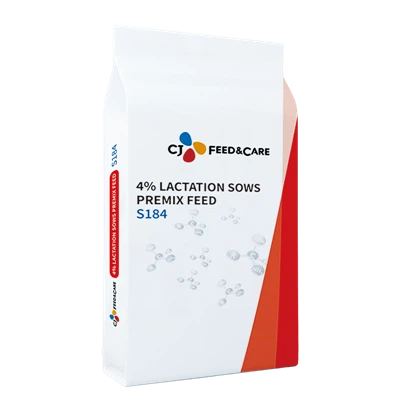
Palatability is a crucial factor in the effectiveness of hog grower feed. As a supplier of Hog Grower Feed, I've witnessed firsthand how the palatability of our feed can significantly impact the growth and health of hogs. In this blog, I'll delve into what palatability means in the context of hog grower feed, why it matters, and how we ensure our feed is highly palatable.
Understanding Palatability in Hog Grower Feed
Palatability refers to the sensory characteristics of feed that make it appealing to hogs. These sensory aspects include taste, smell, texture, and appearance. When hogs find their feed palatable, they are more likely to consume it in adequate amounts, which is essential for their growth, development, and overall well - being.
Taste is perhaps the most obvious factor. Hogs have taste buds that can detect sweet, sour, salty, bitter, and umami flavors. They generally prefer sweet and umami flavors, which are often associated with high - quality nutrients. For example, natural sugars and amino acids can enhance the sweet and umami tastes in the feed, making it more attractive to hogs.
Smell also plays a vital role. Hogs have a highly developed sense of smell, and a pleasant aroma can stimulate their appetite. Feed ingredients such as fish meal, soybean meal, and certain grains have distinct odors that hogs find appealing. On the other hand, unpleasant odors, such as those from spoiled or low - quality ingredients, can deter hogs from eating.
Texture is another important aspect. Hogs prefer feed with a consistent and appropriate texture. Too fine or too coarse a texture can be unappealing. A feed that is too fine may cause breathing problems, while a feed that is too coarse may be difficult for hogs to chew and digest.


Appearance can also influence palatability. Hogs are more likely to consume feed that looks clean, fresh, and uniform in color and particle size. Discolored or clumpy feed may be perceived as unappetizing.
Why Palatability Matters in Hog Grower Feed
The palatability of hog grower feed has several significant implications for hog producers:
Growth Performance
When hogs find their feed palatable, they will eat more, which directly translates to better growth performance. Adequate feed intake provides the necessary energy, protein, vitamins, and minerals for hogs to grow at an optimal rate. This leads to faster weight gain, better feed conversion ratios, and ultimately, higher profits for hog producers.
Health and Immunity
Proper nutrition is essential for a strong immune system. Hogs that consume palatable feed are more likely to meet their nutritional requirements, which helps maintain their health and reduces the risk of diseases. A well - nourished hog is better able to resist infections, parasites, and other health challenges.
Behavioral Well - being
Hogs that are satisfied with their feed are less likely to engage in abnormal behaviors such as aggression, tail - biting, and cannibalism. Palatable feed can contribute to a more stable and stress - free environment in the hog pen, which is beneficial for both the hogs and the farmers.
Ensuring High Palatability in Our Hog Grower Feed
As a supplier of Hog Grower Feed, we take several steps to ensure the high palatability of our products:
High - Quality Ingredients
We source only the finest ingredients for our hog grower feed. This includes high - protein soybean meal, energy - rich grains such as corn and wheat, and essential vitamins and minerals. These ingredients not only provide the necessary nutrients but also contribute to the pleasant taste and smell of the feed.
Flavor Enhancement
We use natural flavor enhancers to make our feed more appealing to hogs. These flavor enhancers are carefully selected to mimic the tastes and smells that hogs naturally prefer. For example, we may add natural sweeteners and savory flavors to increase the palatability of the feed.
Texture Optimization
We pay close attention to the texture of our feed. Our manufacturing process is designed to produce a feed with a consistent and appropriate particle size. This ensures that the feed is easy for hogs to chew and digest, while also being visually appealing.
Quality Control
We have a strict quality control system in place to ensure that every batch of our hog grower feed meets our high standards of palatability. This includes sensory evaluations by trained professionals, as well as chemical and microbiological analyses to ensure the safety and quality of the feed.
Comparing with Other Types of Swine Feed
In addition to Hog Grower Feed, we also offer Piglet Starter Concentrated Feed and Gestation Feed for Pigs. Each type of feed has its own unique palatability requirements.
Piglet starter concentrated feed needs to be highly palatable because piglets have a small stomach capacity and a high nutritional demand. The feed should be easy to digest and have a pleasant taste and smell to encourage piglets to start eating as soon as possible.
Gestation feed for pigs is formulated to meet the specific nutritional needs of pregnant sows. While palatability is still important, the feed also needs to provide the right balance of nutrients for the health of the sow and the developing piglets.
Conclusion
The palatability of hog grower feed is a critical factor that can significantly impact the growth, health, and well - being of hogs. As a supplier, we are committed to providing high - quality feed that is not only nutritionally balanced but also highly palatable. By using the best ingredients, flavor enhancers, and manufacturing processes, we ensure that our Hog Grower Feed meets the needs of hogs and the expectations of hog producers.
If you are a hog producer looking for high - quality, palatable hog grower feed, we invite you to contact us for more information and to discuss your specific requirements. We are dedicated to helping you achieve the best results in your hog production operation.
References
- NRC (National Research Council). (2012). Nutrient Requirements of Swine. 11th Edition. The National Academies Press.
- Pluske, J. R., et al. (2018). Feeding and Nutrition of Pigs. CABI.
- De Lange, C. F. M., et al. (2010). Palatability and Feed Intake in Pigs. In: Recent Advances in Animal Nutrition. Nottingham University Press.