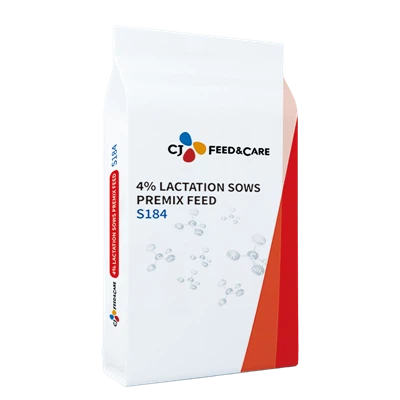
Hey there, fellow swine farmers! As a swine feed supplier, I've seen firsthand how proper feed storage can make or break your pigs' health and your farm's bottom line. So, let's dive into how to store swine feed properly.
Why Proper Storage Matters
First off, why is it so important to store swine feed correctly? Well, swine feed is like a buffet for all sorts of unwanted guests - mold, bacteria, insects, and rodents. If the feed gets contaminated, it can lead to all kinds of problems for your pigs, like reduced growth rates, digestive issues, and even diseases. And let's not forget about the money you'll be wasting if the feed goes bad. So, proper storage is not just about keeping the feed fresh; it's about protecting your investment and your pigs' well - being.
Choosing the Right Storage Location
The location of your feed storage is crucial. You want a place that's dry, cool, and well - ventilated. A damp environment is a breeding ground for mold and bacteria. Basements or areas prone to flooding are a big no - no. Instead, look for a storage shed or a dedicated room in your farm building that stays dry.
Temperature also plays a huge role. High temperatures can cause the feed to spoil faster. Ideally, the storage area should be kept between 50°F and 70°F (10°C and 21°C). If you're in a hot climate, you might need to invest in some kind of cooling system, like fans or air - conditioning.
Ventilation is another key factor. Good air circulation helps prevent the build - up of moisture and odors. Make sure your storage area has windows or vents that can be opened to let fresh air in. You can also install exhaust fans to keep the air moving.


Using the Right Containers
Once you've found the perfect location, it's time to think about the containers. You don't want to just leave the feed in its original bags on the floor. Instead, transfer the feed to sturdy, airtight containers. Plastic bins with tight - fitting lids are a great option. They keep out moisture, insects, and rodents.
If you're storing a large amount of feed, you might consider using a silo. Silos are great for bulk storage, but they need to be properly maintained. Make sure to clean them regularly to prevent the build - up of old feed, which can attract pests.
Protecting Against Pests
Pests are one of the biggest threats to your stored swine feed. Rodents can chew through bags and contaminate the feed with their droppings and urine. Insects, like weevils and beetles, can also infest the feed.
To keep rodents away, seal any holes or cracks in your storage area. You can use steel wool or caulk to fill small openings. Set up traps or use rodenticides, but make sure to follow the instructions carefully to avoid harming your pigs or other animals.
For insects, keep the storage area clean. Sweep up any spilled feed regularly. You can also use insect - proof liners in your containers. If you do notice an infestation, you might need to treat the feed with an approved insecticide.
Rotating Your Feed
Feed has a shelf life, and it's important to use it before it goes bad. This is where the concept of "first in, first out" (FIFO) comes in. When you receive new feed, place it behind the older feed. That way, you'll use the oldest feed first.
Check the expiration dates on your feed bags and make a note of when you received each batch. This will help you keep track of which feed needs to be used up first.
Different Types of Swine Feed and Their Storage
Now, let's talk about the different types of swine feed and how their storage might vary.
Milk Replacement for Piglets
Milk Replacement for Piglets is a specialized feed for young piglets. It's usually in a powder form and is very sensitive to moisture. Make sure to keep it in a sealed container in a cool, dry place. Once you've opened the package, use it up within a few weeks to ensure its quality.
Gestation Feed for Pigs
Gestation Feed for Pigs is designed for pregnant sows. It contains all the nutrients they need during this crucial stage. This feed can be stored in the same way as regular feed, but it's especially important to keep it free from contamination. Pregnant sows are more vulnerable to health issues, so any spoiled feed could have a big impact on their well - being.
Finisher Feeds for Pigs
Finisher Feeds for Pigs are used to help pigs reach their market weight. These feeds are high in energy and protein. They should be stored in a clean, dry environment to maintain their nutritional value. Just like other feeds, follow the FIFO principle to make sure you're using the freshest feed.
Monitoring Your Feed
Regularly check your stored feed for signs of spoilage. Look for mold, a musty smell, or any signs of insect or rodent activity. If you notice any of these issues, remove the affected feed immediately to prevent it from spreading.
You can also take samples of the feed and have them tested for quality. This can help you catch any problems early and make sure your pigs are getting the best possible nutrition.
Conclusion
Properly storing swine feed is essential for the health of your pigs and the success of your farm. By choosing the right storage location, using the right containers, protecting against pests, rotating your feed, and monitoring its quality, you can ensure that your feed stays fresh and nutritious.
If you're looking for high - quality swine feed and need more advice on storage or any other aspect of swine nutrition, don't hesitate to reach out. We're here to help you make the most of your feed and keep your pigs happy and healthy. Let's talk and see how we can work together to take your swine farming to the next level.
References
- National Pork Board. "Swine Nutrition and Feeding."
- University of Minnesota Extension. "Best Practices for Swine Feed Storage."