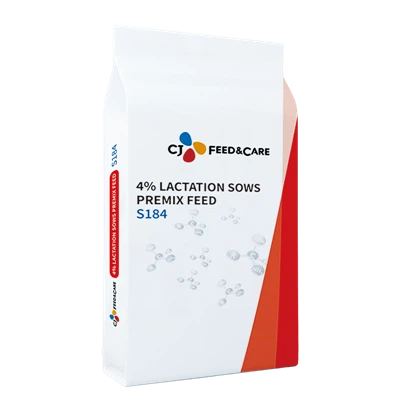
As a supplier of Gestation Feed for Pigs, I've witnessed firsthand the pivotal role this specialized feed plays in the swine industry. In this blog post, I'll delve into the nutritional value of gestation feed for pigs, exploring how it contributes to the health and productivity of pregnant sows.
Macronutrients in Gestation Feed
Gestation feed is carefully formulated to meet the increased energy and nutrient requirements of pregnant sows. Carbohydrates are a primary source of energy in the feed. Grains such as corn and barley are commonly used, providing a readily available energy source to support the sow's metabolic needs and the growth of the developing fetuses. For example, corn is rich in starch, which can be easily digested and converted into glucose, fueling the sow's daily activities and the energy - intensive process of pregnancy.
Protein is another crucial macronutrient in gestation feed. High - quality protein sources, like soybean meal, are essential for the synthesis of new tissues in the sow and the developing piglets. During pregnancy, the sow's body needs to produce more muscle, connective tissue, and milk - producing glands. Adequate protein intake ensures proper fetal development, including the formation of organs, muscles, and the immune system. Research has shown that a diet with the right balance of amino acids, the building blocks of protein, can significantly improve the litter size and the vitality of piglets at birth.
Fats are also included in gestation feed in appropriate amounts. They are a concentrated source of energy, providing more than twice the energy per gram compared to carbohydrates or proteins. Fats can help to increase the energy density of the feed, which is especially important for sows with high energy demands during late pregnancy. Additionally, certain fatty acids, such as omega - 3 and omega - 6 fatty acids, have anti - inflammatory properties and can contribute to the overall health of the sow and the development of the piglets' nervous system.
Micronutrients in Gestation Feed
Minerals are vital components of gestation feed. Calcium and phosphorus are essential for bone development in both the sow and the growing piglets. During pregnancy, the sow's body transfers a significant amount of calcium and phosphorus to the fetuses for the formation of their skeletal systems. A deficiency in these minerals can lead to weak bones in piglets and may also cause problems for the sow, such as osteoporosis and reduced milk production. Other minerals like zinc, copper, and selenium are important for the sow's immune function, antioxidant defense, and reproductive performance. Zinc, for instance, is involved in many enzymatic reactions in the body and plays a role in maintaining the integrity of the skin and mucous membranes, which are important barriers against pathogens.
Vitamins are equally important in gestation feed. Vitamin A is crucial for vision, immune function, and the development of the reproductive system. It is also involved in the formation of epithelial tissues, which line the respiratory, digestive, and reproductive tracts. Vitamin D is essential for calcium absorption and utilization, working in conjunction with calcium and phosphorus to support bone health. Vitamin E is a powerful antioxidant that protects cells from oxidative damage, which can be particularly harmful during pregnancy when the sow's body is under increased stress. B - vitamins, such as thiamine, riboflavin, and niacin, are involved in energy metabolism, helping the sow to efficiently convert the nutrients in the feed into usable energy.


Impact on Sow Health and Reproductive Performance
A well - balanced gestation feed has a profound impact on the health and reproductive performance of sows. When sows are fed a diet that meets their nutritional needs during pregnancy, they are more likely to have a smooth pregnancy and farrowing process. Adequate nutrition helps to maintain the sow's body condition, ensuring that she has enough energy reserves to support the growth of the fetuses and to produce high - quality colostrum and milk after farrowing.
Proper nutrition during gestation can also improve the sow's immune function. A strong immune system helps the sow to resist diseases and infections, which is not only beneficial for her own health but also for the health of the piglets. Sows with a good immune status are less likely to pass on pathogens to their offspring through the placenta or during lactation.
In terms of reproductive performance, a nutritionally balanced gestation feed can increase the litter size, the birth weight of piglets, and their survival rate. Piglets born from sows that have received optimal nutrition during pregnancy are generally stronger, more vigorous, and have a better chance of thriving in the early stages of life. They are also more likely to reach market weight faster, which is economically beneficial for pig producers.
Complementary Feeds
In addition to gestation feed, there are other types of swine feeds that can be used in conjunction to optimize the overall health and performance of the swine herd. For example, Piglet Starter Feed Super 2 is designed to meet the specific nutritional needs of newly weaned piglets. It provides a highly digestible source of nutrients to support their rapid growth and development during this critical stage. Boar Premix Feed is formulated to enhance the reproductive performance of boars, ensuring that they produce high - quality semen and maintain good overall health.
Conclusion and Call to Action
Understanding the nutritional value of gestation feed for pigs is essential for pig producers who want to achieve optimal reproductive performance and the health of their swine herds. As a supplier of Gestation Feed for Pigs, I am committed to providing high - quality feed that is scientifically formulated to meet the unique nutritional requirements of pregnant sows.
If you are a pig producer looking to improve the productivity and health of your swine herd, I encourage you to get in touch with me. We can discuss your specific needs and I can provide you with detailed information about our gestation feed and how it can benefit your operation. Whether you are a small - scale farmer or a large - scale commercial producer, our feed can help you achieve better results in your pig production.
References
- National Research Council. (2012). Nutrient Requirements of Swine. Washington, D.C.: The National Academies Press.
- Pluske, J. R., & Honeyman, M. S. (2003). Influence of pre - weaning and post - weaning nutrition on growth and production of pigs. Animal Reproduction Science, 78(1 - 2), 257 - 268.
- Spreeuwenberg, P., van der Peet - Schwering, C. M., & Verstegen, M. W. (2001). Strategies to optimize sow and litter performance. Livestock Production Science, 70(1), 73 - 83.