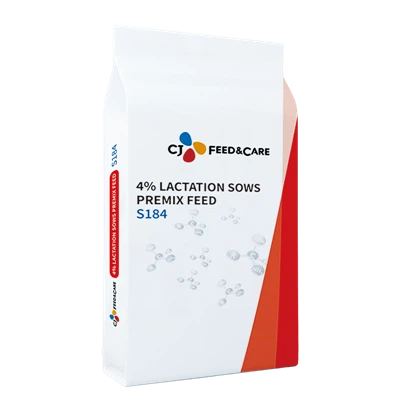
As a dedicated swine feed supplier, I've witnessed firsthand the intricate relationship between the age of pigs and their feed intake. Understanding this relationship is crucial for pig farmers to ensure optimal growth, health, and productivity of their herds. In this blog, I'll delve into how the age of pigs impacts their swine feed intake, drawing on scientific research and practical experience in the industry.
Neonatal Piglets (0 - 3 Weeks)
Neonatal piglets are in a highly vulnerable stage of development. At birth, their digestive systems are not fully developed, and they rely primarily on sow's milk for nutrition. Sow's milk provides essential nutrients, antibodies, and growth factors that are vital for the piglets' survival and early development.
However, in some cases, such as when the sow has insufficient milk production or when the piglets are orphaned, milk replacers become necessary. Our Milk Replacement for Piglets is specially formulated to mimic the composition of sow's milk, providing the right balance of proteins, fats, carbohydrates, vitamins, and minerals.
During the first week of life, piglets have a very small stomach capacity and can only consume small amounts of milk at a time. Their feed intake gradually increases as they grow. By the end of the third week, piglets start to show an interest in solid food. This is a critical transition period, and introducing a high - quality starter feed is essential.
Early Weaning and Starter Phase (3 - 8 Weeks)
Early weaning is a common practice in modern pig production to improve the reproductive efficiency of sows. When piglets are weaned, usually around 3 - 4 weeks of age, they experience a significant change in their diet and environment. This transition can be stressful for the piglets, and it often leads to a temporary decrease in feed intake.
To support piglets during this critical period, we offer Piglet Starter Concentrated Feed. This feed is formulated with highly digestible ingredients, such as whey powder, fish meal, and soybean meal, to meet the high - energy and high - protein requirements of growing piglets. It also contains prebiotics and probiotics to promote gut health and improve feed utilization.
From 3 to 8 weeks of age, piglets' feed intake increases rapidly. Their digestive systems are maturing, and they are able to digest and absorb more complex nutrients. The growth rate during this period is also very high, and providing the right amount and quality of feed is crucial for achieving optimal growth performance. Our Piglet Starter Feed Super 2 is designed to support this rapid growth phase, with a balanced nutrient profile that includes essential amino acids, vitamins, and minerals.
Grower Phase (8 - 16 Weeks)
As piglets enter the grower phase (around 8 weeks of age), their feed intake continues to increase steadily. At this stage, pigs have a more developed digestive system and can tolerate a wider range of feed ingredients. The focus of the diet during the grower phase is to provide sufficient energy and protein for muscle growth and development.
Grower pigs require a diet with a relatively high energy content, usually from grains such as corn and wheat. Protein sources, such as soybean meal, are also important to support muscle growth. The feed intake of grower pigs is influenced by factors such as body weight, genetics, and environmental conditions. On average, grower pigs can consume around 2 - 3% of their body weight in feed per day.
Finisher Phase (16 Weeks - Market Weight)
The finisher phase is the final stage of pig production before the pigs reach market weight. During this phase, the goal is to maximize weight gain and improve meat quality. Pigs in the finisher phase have a large appetite and high feed intake.
The diet for finisher pigs is typically formulated to have a high energy density to promote rapid weight gain. However, it's also important to balance the diet to ensure proper fat deposition and meat quality. Feed intake in the finisher phase can reach up to 3 - 4% of the pig's body weight per day, depending on factors such as breed, sex, and management practices.
Factors Affecting Feed Intake at Different Ages
- Digestive Capacity: As mentioned earlier, the digestive capacity of pigs increases with age. Young piglets have a limited ability to digest complex carbohydrates and proteins, which is why their diets need to be highly digestible. As pigs grow, their digestive enzymes become more active, and they can handle a wider range of feed ingredients.
- Nutritional Requirements: The nutritional requirements of pigs change as they age. Neonatal piglets need high - quality proteins, fats, and vitamins for growth and development. Grower and finisher pigs require more energy for weight gain. Meeting these changing nutritional requirements is essential for maintaining optimal feed intake and growth performance.
- Environmental Conditions: Environmental factors such as temperature, humidity, and ventilation can have a significant impact on pig feed intake. Pigs are sensitive to temperature extremes. In hot weather, pigs may reduce their feed intake to avoid generating excess body heat. In cold weather, they may increase their feed intake to maintain body temperature.
Importance of Tailoring Feed to Pig Age
Tailoring the feed to the age of the pigs is essential for several reasons. Firstly, it ensures that pigs receive the right amount and type of nutrients at each stage of their growth. This promotes optimal growth, health, and productivity. Secondly, it improves feed efficiency. By providing a diet that is well - suited to the pig's digestive capacity and nutritional requirements, less feed is wasted, and more nutrients are utilized for growth.


As a swine feed supplier, we are committed to providing high - quality, age - specific feeds to meet the diverse needs of pig farmers. Our feeds are formulated based on the latest scientific research and are continuously updated to incorporate new findings in swine nutrition.
Conclusion
The age of pigs has a profound impact on their swine feed intake. From the neonatal stage to the finisher phase, pigs' digestive capacity, nutritional requirements, and feed intake patterns change significantly. Understanding these changes and providing age - appropriate feeds is crucial for successful pig production.
If you're a pig farmer looking for high - quality swine feeds tailored to the age of your pigs, we'd love to hear from you. Contact us to discuss your specific needs and explore how our products can help you achieve optimal growth and productivity in your pig herd.
References
- National Research Council. (2012). Nutrient Requirements of Swine (11th Revised Edition). The National Academies Press.
- Pluske, J. R., et al. (2018). Nutrition of the young pig. CABI.
- Le Dividich, J., et al. (2005). Swine Nutrition. CRC Press.