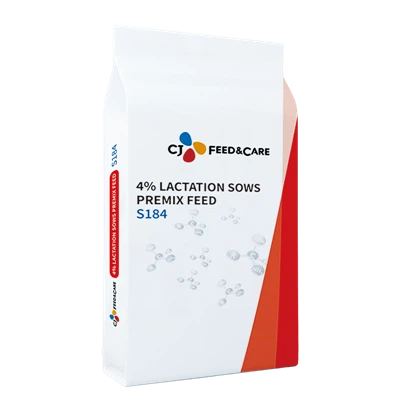
As a dedicated supplier of Hog Grower Feed, I understand the critical importance of proper feed storage. Ensuring the quality and safety of the feed is not only crucial for the health and growth of the hogs but also for maintaining the trust of our customers. In this blog, I will share the best practices for storing Hog Grower Feed based on scientific knowledge and industry experience.
Understanding the Characteristics of Hog Grower Feed
Hog Grower Feed is a specialized blend of nutrients designed to meet the specific dietary needs of growing hogs. It typically contains a combination of grains, protein sources, vitamins, minerals, and additives. These components are carefully formulated to promote optimal growth, development, and overall health in hogs. However, the quality of the feed can be easily compromised if it is not stored properly.
One of the main challenges in storing Hog Grower Feed is its susceptibility to spoilage. Feed can be contaminated by mold, bacteria, insects, and rodents, which can lead to a decrease in nutritional value and the production of toxins. Additionally, exposure to moisture, heat, and oxygen can cause the feed to deteriorate, resulting in a loss of vitamins, minerals, and other essential nutrients.
Choosing the Right Storage Facility
The first step in proper feed storage is to select a suitable storage facility. The facility should be clean, dry, and well-ventilated to prevent the growth of mold and bacteria. It should also be protected from pests and rodents, which can contaminate the feed and cause damage to the storage structure.
Ideally, the storage facility should be made of a durable material, such as concrete or metal, to prevent moisture from seeping in. It should also have a tight-fitting roof and walls to keep out rain, snow, and other forms of precipitation. Additionally, the facility should be located in an area that is not prone to flooding or other natural disasters.
Controlling Temperature and Humidity
Temperature and humidity are two of the most important factors that affect the quality of Hog Grower Feed. High temperatures and humidity can accelerate the growth of mold and bacteria, while low temperatures can cause the feed to become dry and brittle. Therefore, it is essential to maintain a stable temperature and humidity level in the storage facility.
The optimal temperature for storing Hog Grower Feed is between 50°F and 70°F (10°C and 21°C). The humidity level should be kept below 70% to prevent the growth of mold and bacteria. To achieve these conditions, the storage facility should be equipped with a ventilation system that can remove excess moisture and heat from the air. Additionally, the facility should be insulated to prevent temperature fluctuations.
Using Proper Storage Containers
In addition to choosing the right storage facility, it is also important to use proper storage containers. The containers should be made of a durable material, such as plastic or metal, and should be airtight to prevent the entry of moisture, oxygen, and pests.
When storing Hog Grower Feed in containers, it is important to label them clearly with the date of production, expiration date, and other relevant information. This will help to ensure that the feed is used in a timely manner and that any expired or spoiled feed is removed from the storage facility.
Implementing a First-In, First-Out (FIFO) System
A First-In, First-Out (FIFO) system is a method of inventory management that ensures that the oldest feed is used first. This is important because feed can lose its nutritional value over time, especially if it is stored for an extended period. By implementing a FIFO system, you can ensure that the feed is used before it expires and that the hogs are receiving the freshest and most nutritious feed possible.
To implement a FIFO system, you should organize the feed in the storage facility so that the oldest feed is at the front of the storage area and the newest feed is at the back. When it comes time to use the feed, you should always take the feed from the front of the storage area first.


Regularly Inspecting the Feed
Regularly inspecting the feed is an important part of proper feed storage. You should check the feed for signs of mold, bacteria, insects, and rodents on a regular basis. If you notice any signs of spoilage or contamination, you should immediately remove the affected feed from the storage facility and dispose of it properly.
In addition to visual inspections, you should also test the feed periodically to ensure that it meets the required nutritional standards. This can be done by sending samples of the feed to a laboratory for analysis.
Conclusion
Proper storage of Hog Grower Feed is essential for maintaining the quality and safety of the feed and ensuring the health and growth of the hogs. By choosing the right storage facility, controlling temperature and humidity, using proper storage containers, implementing a FIFO system, and regularly inspecting the feed, you can minimize the risk of spoilage and contamination and ensure that the hogs are receiving the freshest and most nutritious feed possible.
If you are interested in purchasing high-quality Hog Grower Feed or other swine feed products, such as Piglet Starter Concentrated Feed, Lactating Sow Premix Feed, or 4% Piglet Premix Feed, please feel free to contact us for more information and to discuss your specific needs. We are committed to providing our customers with the best possible products and services, and we look forward to working with you.
References
- National Pork Board. (2023). Swine Nutrition Handbook.
- American Feed Industry Association. (2023). Feed Manufacturing and Quality Control.
- University of Minnesota Extension. (2023). Proper Storage of Livestock Feed.