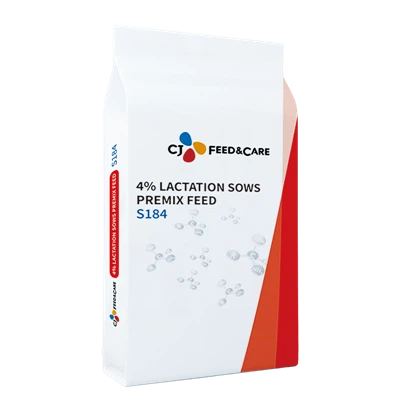
Can Heifer Grower Feed be used in combination with forage?
As a supplier of Heifer Grower Feed, I often get asked whether our feed can be used in combination with forage. This is a crucial question for dairy farmers aiming to optimize the growth and health of their heifers. In this blog post, I'll delve into the science behind using Heifer Grower Feed alongside forage and explain the benefits and considerations of this feeding strategy.
The Role of Forage in Heifer Nutrition
Forage is a cornerstone of ruminant nutrition, and heifers are no exception. It provides essential fiber, which is vital for proper rumen development and function. The rumen is a complex fermentation chamber in the heifer's stomach where billions of microorganisms break down feed. Fiber stimulates rumination (chewing the cud), which in turn increases saliva production. Saliva contains buffers that help maintain the proper pH in the rumen, preventing acidosis and other digestive disorders.
There are different types of forage available, including grasses, legumes, and silages. Each type has its own nutritional profile. For example, legumes like alfalfa are rich in protein, calcium, and other minerals, while grasses are a good source of energy and fiber. Silages, which are fermented forages, can be a convenient and nutritious option, especially during periods when fresh forage is scarce.
The Benefits of Heifer Grower Feed
Heifer Grower Feed is formulated to meet the specific nutritional requirements of growing heifers. It is a concentrated source of energy, protein, vitamins, and minerals that complement the nutrients provided by forage. By using Heifer Grower Feed in combination with forage, farmers can ensure that their heifers receive a balanced diet that supports optimal growth, development, and health.
One of the key benefits of Heifer Grower Feed is its ability to provide a consistent and reliable source of nutrients. Forage quality can vary depending on factors such as the type of forage, the stage of growth at harvest, and the storage conditions. Heifer Grower Feed, on the other hand, is formulated to meet strict nutritional standards, so farmers can be confident that their heifers are getting the right amount of nutrients every day.
Another benefit of Heifer Grower Feed is its convenience. It can be easily mixed with forage or fed separately, depending on the farmer's preference. This flexibility allows farmers to tailor the feeding program to the specific needs of their heifers and the available resources.
Combining Heifer Grower Feed with Forage
When using Heifer Grower Feed in combination with forage, it's important to consider the quality and quantity of both the feed and the forage. The goal is to provide a balanced diet that meets the heifer's nutritional requirements without overfeeding or underfeeding.
The first step is to assess the quality of the forage. This can be done by analyzing the forage for its nutrient content, such as protein, energy, fiber, and minerals. Based on the forage analysis, the farmer can determine the amount of Heifer Grower Feed needed to supplement the forage and meet the heifer's nutritional requirements.
The quantity of Heifer Grower Feed and forage fed to the heifers will depend on several factors, including the age, weight, and growth rate of the heifers, as well as the quality of the forage. As a general rule, heifers should be fed a diet that consists of approximately 50-70% forage and 30-50% Heifer Grower Feed. However, this ratio may need to be adjusted based on the specific circumstances.
It's also important to introduce Heifer Grower Feed gradually to the heifers' diet. Sudden changes in diet can disrupt the rumen microbiota and lead to digestive problems. Start by feeding a small amount of Heifer Grower Feed and gradually increase the amount over a period of 7-10 days.
Considerations and Precautions
While combining Heifer Grower Feed with forage can be a beneficial feeding strategy, there are some considerations and precautions that farmers should keep in mind.
One of the main considerations is the cost. Heifer Grower Feed can be more expensive than forage, so farmers need to carefully evaluate the cost-benefit ratio of using the feed. However, it's important to remember that investing in high-quality feed can lead to better growth, development, and health of the heifers, which can ultimately result in higher profits in the long run.
Another consideration is the potential for overfeeding. Overfeeding Heifer Grower Feed can lead to obesity, which can have negative impacts on the heifers' health and reproductive performance. It's important to monitor the heifers' body condition regularly and adjust the feeding program as needed to ensure that they maintain a healthy weight.
Finally, it's important to follow the manufacturer's instructions when using Heifer Grower Feed. This includes storing the feed properly, mixing it correctly, and feeding it at the recommended rates. Failure to follow the instructions can result in poor feed quality and reduced performance of the heifers.
Other Feeding Options
In addition to Heifer Grower Feed and forage, there are other feeding options available for growing heifers. For example, Complete Feed for Gestation Dairy Cow is a specialized feed that is formulated to meet the nutritional requirements of pregnant dairy cows. It can be a good option for heifers that are approaching breeding age or are already pregnant.


Complete Calf Feed is another option for young heifers. It is a high-quality feed that is designed to support the growth and development of calves from birth to weaning.
Concentrate Feed for Grower Cow is a concentrated source of energy and protein that can be used to supplement forage and Heifer Grower Feed. It can be a good option for heifers that need additional energy and protein to support their growth.
Conclusion
In conclusion, Heifer Grower Feed can be used in combination with forage to provide a balanced diet that meets the nutritional requirements of growing heifers. By using this feeding strategy, farmers can ensure that their heifers receive a consistent and reliable source of nutrients, support optimal growth and development, and improve their overall health and performance.
However, it's important to consider the quality and quantity of both the feed and the forage, introduce the feed gradually, and follow the manufacturer's instructions. Additionally, farmers should evaluate the cost-benefit ratio of using Heifer Grower Feed and consider other feeding options that may be suitable for their heifers.
If you're interested in learning more about Heifer Grower Feed or other feeding options for your heifers, please don't hesitate to contact us. We're here to help you make the best decisions for your herd and achieve your farming goals.
References
- National Research Council. (2001). Nutrient Requirements of Dairy Cattle. Seventh Revised Edition. Washington, DC: The National Academies Press.
- Van Soest, P. J. (1994). Nutritional Ecology of the Ruminant. Second Edition. Ithaca, NY: Cornell University Press.
- Dairy Management Inc. (2019). Feeding Management of Dairy Heifers. Available at: https://www.dairyherd.com/article/feeding-management-dairy-heifers