Hey there, fellow dairy farmers! I'm a supplier of dairy cow feed, and I've been in this business for quite a while. Over the years, I've seen firsthand how the right feed can make a huge difference in milk production. So, today, I'm gonna share with you what I think is the best dairy cow feed for high milk production.
First off, let's talk about the basics. Dairy cows need a balanced diet that provides them with all the essential nutrients they need to stay healthy and produce milk. This includes things like energy, protein, vitamins, and minerals. Without these nutrients, cows won't be able to reach their full milk - producing potential.
One of the key components of a high - milk - production diet is the concentrate feed. Concentrate feeds are rich in energy and protein, which are crucial for milk production. Concentrate Feed for Grower Cow is a great option for cows at different stages of growth. It's formulated to meet the specific nutritional needs of growing cows, helping them develop strong bodies and high milk - producing capabilities.
The energy in concentrate feeds usually comes from grains like corn, barley, and wheat. These grains are high in carbohydrates, which are broken down by the cows' digestive systems to release energy. Protein, on the other hand, is essential for building and maintaining the cow's body tissues, as well as for milk production. The protein in concentrate feeds can come from sources like soybean meal, cottonseed meal, and fish meal.
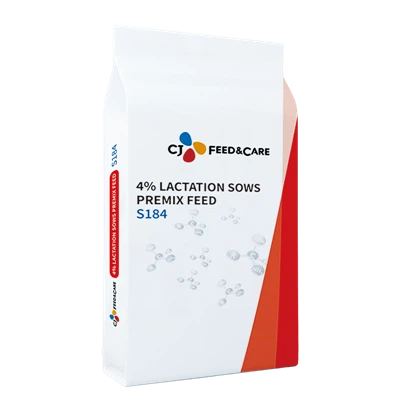
Another important part of the dairy cow diet is the premix. Premix For Dairy Cows is a blend of vitamins, minerals, and other nutrients that are added to the cow's feed. These nutrients are often required in small amounts, but they play a vital role in the cow's overall health and milk production. For example, calcium is essential for strong bones and proper muscle function, while vitamin A is important for good vision and a healthy immune system.
Minerals like phosphorus, magnesium, and potassium are also crucial for various physiological functions in the cow's body. A well - balanced premix ensures that cows get all these essential nutrients in the right proportions. This helps prevent nutrient deficiencies, which can lead to health problems and reduced milk production.
Now, let's talk about heifers. Heifers are young female cows that have not yet given birth to their first calf. Feeding heifers properly is very important because it sets the foundation for their future milk - producing ability. Heifer Grower Feed is specifically designed to meet the nutritional needs of heifers. It helps them grow at a steady rate, develop a good body condition, and reach puberty at the right time.
A heifer that is fed well during her growth stage will be more likely to have a successful first lactation and produce high - quality milk throughout her life. The heifer grower feed contains the right balance of energy, protein, and other nutrients to support healthy growth and development.


In addition to concentrate feeds, premixes, and heifer grower feeds, forages are also a major part of a dairy cow's diet. Forages include things like hay, silage, and pasture. They provide fiber, which is important for the cow's rumen health. The rumen is the first chamber of the cow's stomach, and it's where most of the digestion of forages takes place.
Good - quality forages are high in digestible fiber, which helps maintain a healthy rumen environment. This, in turn, improves the cow's overall digestion and nutrient absorption. For example, alfalfa hay is a popular forage for dairy cows because it's high in protein, calcium, and other nutrients. Corn silage is also widely used because it's a good source of energy and can be stored for long periods.
When it comes to feeding dairy cows for high milk production, it's not just about providing the right feed. It's also about how you feed them. Cows should be fed regularly, and the feed should be offered in a way that allows them to eat at their own pace. Overfeeding or underfeeding can both have negative impacts on milk production.
It's also important to monitor the cows' body condition and milk production regularly. If you notice any changes in the cows' health or milk production, you may need to adjust their diet accordingly. For example, if a cow is losing weight or producing less milk, it could be a sign that she's not getting enough nutrients.
So, to sum it up, the best dairy cow feed for high milk production is a combination of high - quality concentrate feeds, well - balanced premixes, appropriate heifer grower feeds, and good forages. Each of these components plays a crucial role in meeting the cows' nutritional needs and supporting their milk - producing ability.
If you're looking to improve your dairy cows' milk production, I'd highly recommend considering these types of feeds. And if you have any questions or want to learn more about our products, feel free to reach out. We're always happy to help you find the best feed solutions for your herd. Whether you're a small - scale dairy farmer or run a large commercial dairy operation, we've got the right feed for you.
Contact us today to start a conversation about how our dairy cow feeds can boost your milk production and improve the health of your cows. Let's work together to take your dairy business to the next level!
References
- Nutrient Requirements of Dairy Cattle, National Research Council
- Dairy Cow Nutrition and Feeding Management, University of Wisconsin Extension