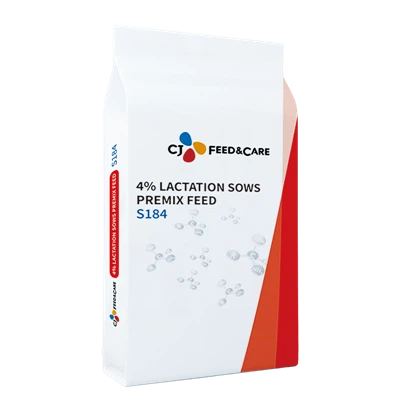
Hey there, fellow pig farmers! As a supplier of gestation feed for pigs, I've seen firsthand how crucial it is to maintain the freshness of this feed. After all, fresh feed means healthy pigs, and healthy pigs mean a successful farm. So, let's dive into the storage conditions that can help keep your gestation feed in top-notch shape.
Temperature Control
One of the most important factors in maintaining the freshness of gestation feed is temperature. Feed should be stored in a cool environment, ideally between 50°F and 70°F (10°C and 21°C). High temperatures can cause the feed to spoil quickly, leading to a loss of nutrients and the growth of harmful bacteria.
Think about it like this: if you leave a carton of milk out in the sun, it'll go bad in no time. The same goes for pig feed. When the temperature rises, the fats in the feed can start to oxidize, which not only makes the feed taste bad but also reduces its nutritional value.
On the flip side, extremely cold temperatures can also be a problem. If the feed freezes, it can break down the structure of the ingredients, making it less palatable for the pigs. So, finding that sweet spot in temperature is key.
Humidity Management
Humidity is another biggie when it comes to feed storage. The ideal relative humidity for storing gestation feed is between 40% and 60%. High humidity can create a breeding ground for mold and fungi, which can contaminate the feed and make the pigs sick.
You might be wondering, "How do I control the humidity in my feed storage area?" Well, there are a few things you can do. First, make sure your storage facility is well-ventilated. This allows the air to circulate and helps prevent moisture from building up. You can also use dehumidifiers if necessary, especially in areas with high humidity levels.
Another tip is to store the feed off the ground. Using pallets or racks can help keep the feed away from any moisture that might seep through the floor. And if you notice any signs of mold or mildew on the feed or in the storage area, clean it up immediately to prevent further contamination.
Protection from Pests
Pests like rodents and insects can be a real headache when it comes to feed storage. They not only eat the feed but can also contaminate it with their droppings and urine, which can spread diseases to the pigs.
To keep pests at bay, make sure your storage facility is sealed tight. Check for any holes or cracks in the walls, floors, and ceilings and seal them up. You can also use pest control products like traps and baits, but be careful not to use anything that could contaminate the feed.
It's also a good idea to keep the storage area clean. Regularly sweep up any spilled feed and remove any debris. This will make the area less attractive to pests.
Proper Packaging
The way you package your gestation feed can also have a big impact on its freshness. Feed should be stored in airtight containers or bags to prevent air and moisture from getting in. This helps to preserve the nutrients and prevent spoilage.
If you're using bags, make sure they're made of a high-quality material that's resistant to tearing and puncturing. And once you open a bag, try to use up the feed as soon as possible. If you can't use it all at once, transfer the remaining feed to a smaller, airtight container.


Rotation of Stock
Another important aspect of feed storage is stock rotation. This means using the oldest feed first and making sure the newer feed is placed behind the older feed. This helps to prevent the feed from sitting in storage for too long and going bad.
You can use a first-in, first-out (FIFO) system to keep track of your feed inventory. This ensures that the feed is used in the order in which it was received, reducing the risk of spoilage.
Other Considerations
In addition to the above factors, there are a few other things to keep in mind when storing gestation feed. For example, avoid storing the feed near any chemicals or other substances that could contaminate it. Also, make sure the storage area is well-lit so you can easily inspect the feed for any signs of spoilage.
Now, I know all this might seem like a lot of work, but trust me, it's worth it in the long run. By following these storage conditions, you can ensure that your pigs are getting the freshest, most nutritious feed possible, which will lead to healthier pigs and a more profitable farm.
If you're looking for other types of swine feed, we also offer Milk Replacement for Piglets, Gilts Feed, and Lactating Sow Premix Feed. These products are also formulated to meet the specific nutritional needs of your pigs at different stages of their lives.
If you're interested in purchasing our gestation feed or any of our other products, I'd love to have a chat with you. We can discuss your specific needs and come up with a solution that works for your farm. Just reach out, and we can start the conversation.
References
- National Research Council. (2012). Nutrient Requirements of Swine. Washington, DC: The National Academies Press.
- American Feed Industry Association. (2023). Best Practices for Feed Storage and Handling.