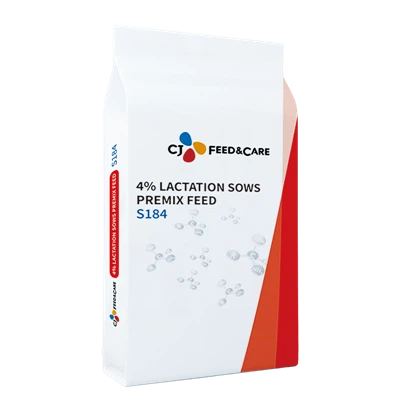
Hey there! As a supplier of Gestation Feed For Pigs, I've seen firsthand how crucial it is to store this feed properly, especially in hot climates. In this blog, I'm gonna share some key storage conditions that can help keep your gestation feed in top - notch quality.
First off, let's talk about temperature. In hot climates, high temperatures can be a real headache for feed storage. When the temperature rises, it speeds up the rate of chemical reactions in the feed. For gestation feed, this means that the vitamins and other nutrients can start to break down much faster. Oxidation can occur, which not only reduces the nutritional value of the feed but can also lead to the development of off - flavors and odors. Pregnant sows are pretty picky eaters, and if the feed doesn't smell or taste right, they might not consume enough, which can affect the health of both the sow and the piglets.
The ideal temperature for storing gestation feed in hot climates should be kept as low as possible. A good target is below 25°C (77°F). If you can manage to keep it around 20°C (68°F), that's even better. To achieve this, you might need to invest in some climate - control equipment. For example, you could use air - conditioning units in your storage facility. It might seem like an expensive option, but think about the cost of replacing spoiled feed and the potential losses from reduced pig health.
Another important factor is humidity. High humidity in hot climates is a breeding ground for mold and bacteria. When the feed absorbs moisture from the air, it creates the perfect environment for these unwanted guests to grow. Mold can produce mycotoxins, which are extremely harmful to pigs. In pregnant sows, mycotoxins can cause reproductive problems, such as reduced litter size, stillbirths, and weak piglets.
You should aim to keep the relative humidity in the storage area below 60%. One way to do this is by using dehumidifiers. These devices can suck the excess moisture out of the air, keeping the feed dry. Also, make sure your storage facility is well - ventilated. Good ventilation helps to remove the warm, moist air and replace it with drier air. You can install fans or vents to ensure proper air circulation.
Now, let's talk about the storage containers. You need to choose the right ones to protect the gestation feed from the elements. Plastic or metal bins with tight - fitting lids are a great choice. They can prevent moisture, insects, and rodents from getting into the feed. Make sure the bins are clean before you fill them with feed. Any leftover feed or debris can attract pests and lead to spoilage.
If you're storing a large quantity of feed, you might also consider using silos. Silos are designed to keep the feed protected from the environment. They can be sealed tightly to prevent air and moisture from getting in. However, you need to make sure they are inspected regularly for any signs of damage or leaks.
Light is another aspect that's often overlooked. Exposure to direct sunlight can cause the feed to heat up and can also degrade some of the nutrients. So, store the feed in a dark place or use opaque containers. If you have windows in your storage facility, cover them with blinds or curtains to block out the sunlight.
When it comes to the layout of your storage area, keep the feed off the floor. Use pallets or racks to elevate the feed bags or containers. This helps to prevent moisture from seeping in from the floor, especially if the floor is concrete. Concrete can absorb and retain moisture, which can then transfer to the feed.


Also, make sure to organize the feed properly. First - in, first - out (FIFO) is a good rule to follow. This means that you should use the oldest feed first. By doing this, you can reduce the chances of feed sitting in storage for too long and spoiling.
Now, I want to mention some related products that might be of interest to you. If you're also looking for Finisher Feeds for Pigs, we've got you covered. These feeds are specially formulated to meet the nutritional needs of growing pigs. And if you're raising piglets, our Piglet Starter Concentrated Feed is a great option to give them a healthy start. We also offer Milk Replacement for Piglets, which can be a lifesaver if the sow isn't producing enough milk.
In conclusion, proper storage of gestation feed in hot climates is essential for maintaining its quality and ensuring the health of your pigs. By controlling the temperature, humidity, and protecting the feed from light, pests, and moisture, you can avoid a lot of problems. If you have any questions about our gestation feed or need more advice on storage, don't hesitate to reach out. We're here to help you make the most of your pig - raising operation. Let's work together to keep your pigs healthy and your business thriving.
References
- "Swine Nutrition Handbook" - A comprehensive guide on pig nutrition and feed management.
- Research papers from agricultural universities on the effects of storage conditions on pig feed quality.