As a supplier of finisher feeds for pigs, I've seen firsthand how the amino acid profile in these feeds can have a huge impact on pig growth. In this blog, I'm gonna break down the ins and outs of amino acids in pig finisher feeds and how they shape the growth of our porcine pals.
First off, let's talk about what amino acids are. Amino acids are the building blocks of proteins, and proteins are essential for pretty much every bodily function in pigs. There are 20 different amino acids, and pigs need them all in the right amounts to grow and develop properly. Some amino acids can be synthesized by the pig's body, but others, known as essential amino acids, must come from their diet.
In finisher feeds, the key essential amino acids we focus on are lysine, methionine, threonine, and tryptophan. These amino acids play crucial roles in various physiological processes that directly affect growth.
Lysine is often considered the most important amino acid in pig nutrition. It's involved in protein synthesis, which is essential for muscle growth and repair. When pigs get enough lysine in their finisher feed, they can build more muscle mass, which means better growth rates and higher carcass quality. On the flip side, a lysine deficiency can lead to reduced growth, poor feed efficiency, and even behavioral problems in pigs.
Methionine is another vital amino acid. It's not only important for protein synthesis but also for the production of other important compounds in the body, like antioxidants and neurotransmitters. Methionine also helps with the absorption and utilization of other nutrients, so it has a big impact on overall pig health and growth. If a finisher feed is low in methionine, pigs may experience slower growth and a weakened immune system.
Threonine is involved in the formation of collagen, elastin, and mucin, which are important for the health of the skin, joints, and digestive tract. A sufficient supply of threonine in finisher feeds helps pigs maintain a healthy gut lining, which improves nutrient absorption and digestion. This, in turn, leads to better growth performance. Without enough threonine, pigs may have digestive issues and reduced growth rates.
Tryptophan is a bit different from the other essential amino acids. It's not only important for protein synthesis but also for the production of serotonin, a neurotransmitter that regulates mood and behavior. In pigs, tryptophan can affect appetite and stress levels. When pigs have enough tryptophan in their finisher feed, they're more likely to have a good appetite and be less stressed, which can lead to better growth.
Now, let's talk about how we, as a finisher feed supplier, ensure that our feeds have the right amino acid profile. We start by analyzing the nutritional requirements of finishing pigs at different stages of growth. These requirements can vary depending on factors like the pig's breed, sex, and growth rate. Based on these requirements, we formulate our finisher feeds to provide the optimal balance of amino acids.
We also use high - quality protein sources in our feeds. Ingredients like soybean meal, fish meal, and whey protein are rich in essential amino acids and are easily digestible by pigs. By using these ingredients, we can ensure that pigs get the amino acids they need in a form that they can readily absorb and utilize.
In addition to the essential amino acids, we also pay attention to the ratio of different amino acids in our finisher feeds. The ideal ratio of lysine to other amino acids, like methionine, threonine, and tryptophan, is crucial for maximizing pig growth. For example, research has shown that a proper lysine:methionine ratio can improve feed efficiency and growth rates.
Another important aspect is the digestibility of amino acids in the feed. Not all amino acids in a feed are equally digestible by pigs. We use advanced processing techniques to improve the digestibility of our finisher feeds. This means that pigs can absorb more of the amino acids in the feed, which leads to better growth and less waste.
Let's take a look at some real - world examples of how the amino acid profile in finisher feeds affects pig growth. In a recent trial on a commercial pig farm, we compared two groups of finishing pigs. One group was fed our finisher feed with an optimized amino acid profile, while the other group was fed a standard finisher feed.
The pigs on our optimized feed showed significantly better growth rates. They gained more weight in a shorter period of time and had a higher feed conversion ratio, which means they converted feed into body weight more efficiently. The carcass quality of these pigs was also better, with more lean meat and less fat.
On the other hand, the pigs on the standard feed had slower growth rates and lower feed efficiency. They also had a higher percentage of fat in their carcasses, which is less desirable in the market.
As a supplier, we're constantly researching and developing new finisher feeds to improve the amino acid profile and its impact on pig growth. We work closely with nutritionists and veterinarians to stay up - to - date on the latest research in pig nutrition.
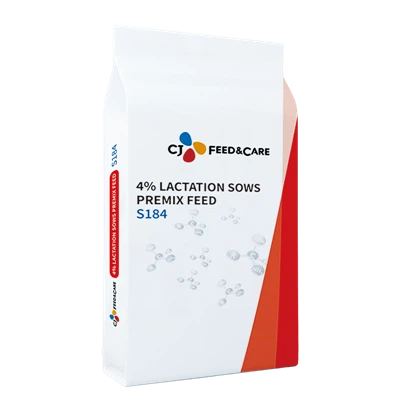
If you're in the pig farming business, you might also be interested in our other swine feeds. We offer Boar Premix Feed, which is specially formulated to meet the nutritional needs of boars. Our Lactating Sow Premix Feed is designed to support lactating sows and ensure the health and growth of their piglets. And for gilts, we have Gilts Feed, which helps them develop properly for future breeding.
In conclusion, the amino acid profile in finisher feeds for pigs is a critical factor in determining their growth and overall performance. By providing the right balance of essential amino acids, using high - quality protein sources, and ensuring good digestibility, we can help pigs reach their full growth potential.
If you're looking for high - quality finisher feeds for your pigs or any of our other swine feeds, we'd love to have a chat with you. Whether you're a small - scale farmer or a large commercial operation, we can work with you to find the best feed solutions for your pigs. Contact us to start a discussion about your pig nutrition needs and how our products can help you achieve better results.
References


- National Research Council. (2012). Nutrient Requirements of Swine. 11th Revised Edition.
- Lewis, A. J., & Southern, L. L. (2001). Amino acid requirements of swine. In Swine Nutrition (pp. 123 - 156). CRC Press.
- de Lange, C. F. M., & Dourmad, J. - Y. (2018). Amino acid nutrition in pigs. Animal, 12(Suppl 6), s444 - s451.