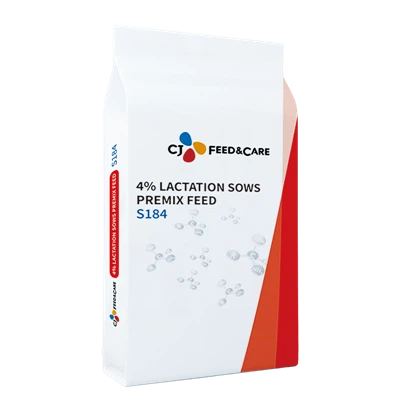
As a dedicated supplier of 4% Piglet Premix Feed, I'm often asked about the protein sources in our product. Protein is a crucial nutrient for piglets, playing a vital role in their growth, development, and overall health. In this blog post, I'll delve into the various protein sources we use in our 4% Piglet Premix Feed, explaining their benefits and how they contribute to the well - being of young pigs.
1. Fish Meal
Fish meal is a high - quality protein source that has long been a staple in piglet feed. It is rich in essential amino acids, including lysine, methionine, and threonine, which are particularly important for the rapid growth of piglets. These amino acids are in the right proportions to meet the specific nutritional requirements of young pigs.
The protein in fish meal is highly digestible, meaning that piglets can efficiently absorb and utilize it. This results in better feed conversion ratios, which is crucial for farmers aiming to maximize the growth of their piglets while minimizing feed costs. Additionally, fish meal contains important fatty acids, such as omega - 3 fatty acids, which have anti - inflammatory properties and can enhance the immune system of piglets.
2. Soybean Meal
Soybean meal is another major protein source in our 4% Piglet Premix Feed. It is a by - product of soybean oil extraction and is widely available and relatively inexpensive. Soybean meal is a complete protein, containing all the essential amino acids that piglets need.
One of the advantages of soybean meal is its high protein content, which typically ranges from 44% to 48%. It is also rich in lysine, an essential amino acid that is often limiting in other plant - based protein sources. However, soybean meal does contain some anti - nutritional factors, such as trypsin inhibitors, which can reduce the digestibility of protein. To overcome this, our soybean meal is properly processed through heating and extrusion to inactivate these anti - nutritional factors.
3. Whey Powder
Whey powder is a valuable protein source derived from the cheese - making process. It is rich in lactose, which provides a readily available source of energy for piglets, and also contains high - quality proteins. The proteins in whey powder are highly digestible and are rich in branched - chain amino acids (BCAAs), such as leucine, isoleucine, and valine.
BCAAs play an important role in muscle protein synthesis and can help to promote the growth and development of piglets. Whey powder also has a high biological value, meaning that a large proportion of the protein can be used by the piglet's body. In addition, the lactose in whey powder can help to promote the growth of beneficial bacteria in the piglet's gut, improving gut health.
4. Blood Meal
Blood meal is a concentrated source of protein that is obtained from the blood of slaughtered animals. It is extremely rich in protein, with a protein content of up to 90%. Blood meal is particularly high in lysine and other essential amino acids.
However, blood meal has a relatively low palatability, which can be a challenge when using it in piglet feed. To address this issue, we carefully blend blood meal with other more palatable ingredients in our 4% Piglet Premix Feed. Despite its low palatability, the high - quality protein in blood meal can significantly contribute to the protein requirements of piglets.
5. Meat and Bone Meal
Meat and bone meal is a protein source made from the rendered carcasses of animals, including meat, bones, and connective tissues. It is a good source of both protein and minerals, such as calcium and phosphorus.
The protein in meat and bone meal has a balanced amino acid profile and is relatively digestible. The minerals in meat and bone meal are also in a form that is easily absorbed by piglets, which is important for their bone development. However, due to concerns about the transmission of diseases such as bovine spongiform encephalopathy (BSE), the use of meat and bone meal in animal feed is regulated in many countries. We ensure that our meat and bone meal is sourced from reliable suppliers and meets all the relevant safety and quality standards.


The Importance of Protein Sources in Piglet Nutrition
Protein is essential for the proper growth and development of piglets. It is required for the formation of muscles, organs, skin, and hair. Adequate protein intake during the early stages of a piglet's life can have a long - term impact on its growth performance, carcass quality, and overall health.
Our 4% Piglet Premix Feed is carefully formulated to provide the right balance of protein sources to meet the specific nutritional needs of piglets. By using a combination of high - quality protein sources, we can ensure that piglets receive all the essential amino acids in the right proportions. This not only promotes optimal growth but also helps to improve the immune system of piglets, making them more resistant to diseases.
Related Products
In addition to our 4% Piglet Premix Feed, we also offer a range of other swine feeds. If you are interested in feeds for boars, you can check out our Boar Premix Feed. For lactating sows, our Lactating Sow Premix Feed is designed to meet their high nutritional requirements. And for growing hogs, our Hog Grower Feed provides the right balance of nutrients for optimal growth.
Contact Us for Procurement
If you are a farmer or a feed distributor interested in our 4% Piglet Premix Feed or any of our other products, we encourage you to contact us for procurement. We have a team of experts who can provide you with detailed information about our products, including their composition, nutritional value, and feeding recommendations. We are committed to providing high - quality products and excellent customer service to help you achieve the best results in your swine production.
References
- National Research Council (NRC). (2012). Nutrient Requirements of Swine. 11th Edition.
- Lewis, A. J., & Southern, L. L. (2001). Swine Nutrition. CRC Press.
- Pond, W. G., Bell, A. W., & Church, D. C. (1995). Animal Nutrition. John Wiley & Sons.