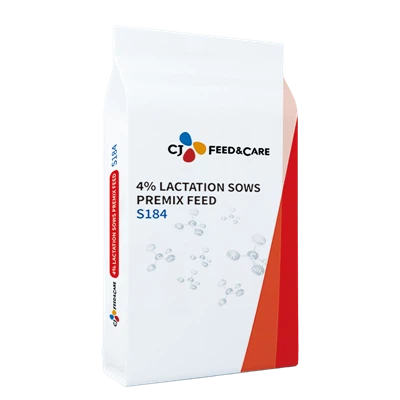
Hey there, fellow pig farmers! I'm a supplier of Gestation Feed For Pigs, and I often get asked, "Can I mix gestation feed with forage for pigs?" Well, let's dig into this topic and find out.
First off, let's understand what gestation feed is all about. Gestation feed is specially formulated to meet the nutritional needs of pregnant sows. It contains the right balance of proteins, vitamins, minerals, and other essential nutrients that are crucial for the healthy development of the fetuses. During pregnancy, sows have increased energy requirements, and the gestation feed is designed to provide that extra boost.


On the other hand, forage is a natural and cost - effective source of feed for pigs. It can include things like grass, hay, and silage. Forage is high in fiber, which can help with digestion and keep the pigs' gut healthy. It also gives pigs something to chew on, which can reduce boredom and some of the behavioral problems that can occur in a confined environment.
So, can we mix them? The short answer is yes, but there are some things to keep in mind.
One of the main benefits of mixing gestation feed with forage is cost - savings. Forage is usually cheaper than commercial gestation feed. By adding forage to the diet, you can reduce the amount of gestation feed you use without sacrificing the overall health of the sows. However, you need to make sure that the sows are still getting all the nutrients they need.
When it comes to nutrition, forage has its limitations. While it's rich in fiber, it may not provide enough of the concentrated nutrients that pregnant sows need. For example, forage may be low in protein, vitamins like vitamin E and B - complex, and minerals such as calcium and phosphorus. That's where the gestation feed comes in. The gestation feed can fill in the nutritional gaps left by the forage.
You also need to consider the quality of the forage. Poor - quality forage may contain mold, toxins, or other contaminants that can be harmful to the sows and their developing fetuses. So, always make sure to use high - quality forage. You can test the forage for nutrient content and contaminants if possible.
Another thing to think about is the amount of forage to add. You don't want to overdo it. If you add too much forage, the sows may not be able to consume enough of the gestation feed to meet their nutritional requirements. A good rule of thumb is to start with a small amount of forage and gradually increase it over time while monitoring the sows' body condition and health.
Now, let's talk about the types of forage that work well with gestation feed. Legume hays, such as alfalfa, are a great choice. They are relatively high in protein and calcium compared to other types of forage. Grass hays, like timothy or bermudagrass, can also be used, but they may need to be supplemented with other nutrients more than legume hays.
Silage can also be a good option. It's made by fermenting forage, which can increase its palatability and nutrient availability. However, silage needs to be stored properly to prevent spoilage.
As a supplier of Gestation Feed For Pigs, I've seen many farmers have success with mixing forage and gestation feed. But it's important to do it right. You might also be interested in other products we offer, like Boar Premix Feed, which is designed to keep your boars in top condition, Lactating Sow Premix Feed for the lactating sows, and Milk Replacement for Piglets to ensure the healthy growth of your piglets.
If you're thinking about starting to mix gestation feed with forage, here are some steps you can take. First, consult with a veterinarian or an animal nutritionist. They can help you develop a feeding plan based on the specific needs of your sows, the quality of your forage, and your farm's conditions.
Next, start small. Begin by adding a small amount of forage to the gestation feed and observe how the sows react. Check their body condition regularly. You can use a body condition scoring system to make sure the sows are neither too fat nor too thin.
Finally, keep records. Note down how much forage and gestation feed you're using, how the sows are performing, and any health issues that arise. This will help you fine - tune your feeding program over time.
In conclusion, mixing gestation feed with forage for pigs is a viable option, but it requires careful planning and management. With the right approach, you can save on feed costs while still providing your pregnant sows with the nutrition they need for a successful pregnancy.
If you're interested in our Gestation Feed For Pigs or any of our other products, I encourage you to reach out and start a conversation about your purchasing needs. We're here to help you make the best decisions for your pig farm.
References
- National Research Council. (2012). Nutrient Requirements of Swine. The National Academies Press.
- Pork Checkoff. (2023). Swine Nutrition Guide. Available from the official Pork Checkoff resources.